THE ADVENTURE COLLECTIVE® · Independent discovery and booking for outdoor travel

Trade the city skyline for craggy stone and watchtowers on this 8–9 hour bus tour to Badaling. Learn what to expect on the trail, practical logistics, and how to prepare for steep steps, optional cable-car rides, and changing weather.
Trade the city skyline for craggy stone and watchtowers on this 8–9 hour bus tour to Badaling. Learn what to expect on the trail, practical logistics, and how to prepare for steep steps, optional cable-car rides, and changing weather.
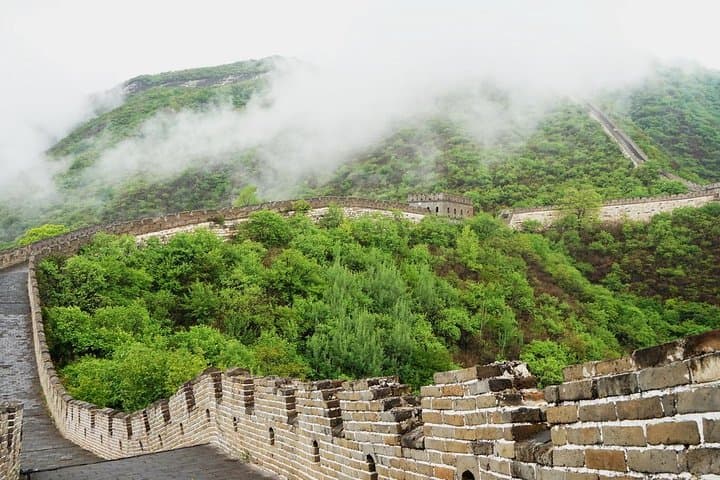
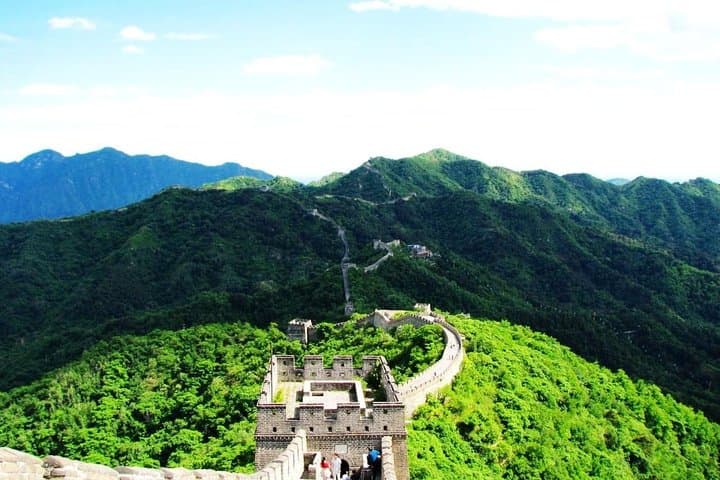
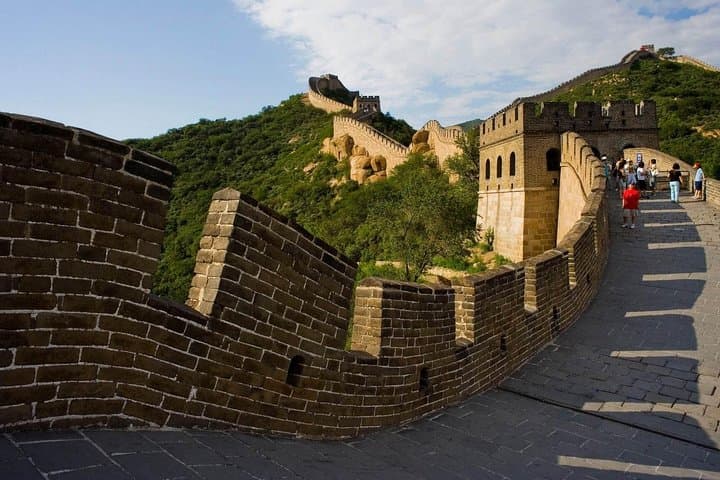
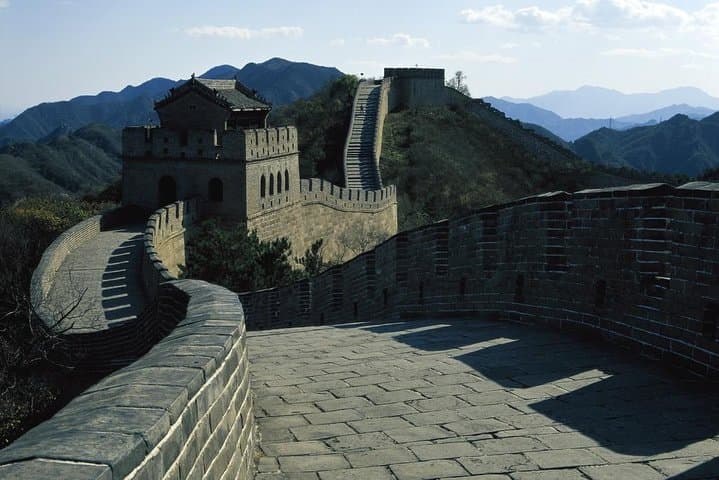
You step off the metro at Beitucheng and the city noise thins; the coach hums and the guide counts heads as the skyline gives way to wooded ridgelines. Ninety minutes later the bus drops you at Badaling — the stone spine of the Great Wall rising and falling over the Jundu foothills, sunlight catching crenellations and the long, worn steps beneath your boots.
Verified experiences and guided adventures in the surrounding area.
Operated by Private China Tours · Beijing, Beijing
You step off the metro at Beitucheng and the city noise thins; the coach hums and the guide counts heads as the skyline gives way to wooded ridgelines. Ninety minutes later the bus drops you at Badaling — the stone spine of the Great Wall rising and falling over the Jundu foothills, sunlight catching crenellations and the long, worn steps beneath your boots.
Badaling is one of the best-preserved Ming-era stretches, originally fortified as the northern barrier to the imperial capital. The wall here follows exposed ridgelines and granite outcrops, anchored into steep slopes and surrounded by forest that exceeds 80 percent coverage. Cultural layers sit close: military watchtowers, restored battlements, and nearby sites tied to Beijing’s defensive ring and imperial tombs.
Expect 2–3 hours of on-wall walking amid uneven stone steps, steep switchbacks and broad panoramic platforms. The itinerary usually allows free time for self-guided exploration and a picnic on the ramparts; note that lunch and the optional cable car are not included. Basic facilities and concession stalls sit at the base, but services become sparse higher up.
Plan around heat and crowds: mornings are cooler and quieter; late afternoon brings stronger light for photos. Practical prep matters — water, sturdy footwear and layered clothing will keep the day comfortable. Respect signage: stay on restored sections, pack out trash, and keep groups paced so everyone can enjoy the climb and the sweeping views over northern Beijing.
easy.
8–9 hours.
Suitable for most fitness levels; requires stair-climbing ability and stable footing on uneven stone.
No — the meeting point is Exit C of Beitucheng station (Line 10) at 9:50 AM; participants assemble there before departure.
Lunch is not provided; you can bring snacks or buy food at the base but have provisions for the wall itself.
Cable car tickets are available on-site as an optional extra and are not included in the tour price.
A valid passport and passport details are required for booking and must be carried on the day; not recommended for people with serious heart, spinal, or pregnancy-related conditions.
Badaling is a well-preserved Ming dynasty section that served as a northern defensive line protecting the imperial capital and nearby tombs.
Visitor pressure can erode older masonry; stick to restored paths, avoid littering, and support local conservation messaging.
Private China Tours operates guided outdoor trips and adventures with an emphasis on safety, stewardship, and memorable experiences.
You step off the metro at Beitucheng and the city noise thins; the coach hums and the guide counts heads as the skyline gives way to wooded ridgelines. Ninety minutes later the bus drops you at Badaling — the stone spine of the Great Wall rising and falling over the Jundu foothills, sunlight catching crenellations and the long, worn steps beneath your boots.
You step off the metro at Beitucheng and the city noise thins; the coach hums and the guide counts heads as the skyline gives way to wooded ridgelines. Ninety minutes later the bus drops you at Badaling — the stone spine of the Great Wall rising and falling over the Jundu foothills, sunlight catching crenellations and the long, worn steps beneath your boots.
Badaling is one of the best-preserved Ming-era stretches, originally fortified as the northern barrier to the imperial capital. The wall here follows exposed ridgelines and granite outcrops, anchored into steep slopes and surrounded by forest that exceeds 80 percent coverage. Cultural layers sit close: military watchtowers, restored battlements, and nearby sites tied to Beijing’s defensive ring and imperial tombs.
Expect 2–3 hours of on-wall walking amid uneven stone steps, steep switchbacks and broad panoramic platforms. The itinerary usually allows free time for self-guided exploration and a picnic on the ramparts; note that lunch and the optional cable car are not included. Basic facilities and concession stalls sit at the base, but services become sparse higher up.
Plan around heat and crowds: mornings are cooler and quieter; late afternoon brings stronger light for photos. Practical prep matters — water, sturdy footwear and layered clothing will keep the day comfortable. Respect signage: stay on restored sections, pack out trash, and keep groups paced so everyone can enjoy the climb and the sweeping views over northern Beijing.