THE ADVENTURE COLLECTIVE® · Independent discovery and booking for outdoor travel

Walk the iconic Badaling section of the Great Wall on a single, accessible day trip from Beijing. This practical guide covers what to expect on the route, brief history, and sensible tips for timing, gear, and crowds.
Walk the iconic Badaling section of the Great Wall on a single, accessible day trip from Beijing. This practical guide covers what to expect on the route, brief history, and sensible tips for timing, gear, and crowds.
You step from the air-conditioned coach onto broad stone steps that slope up toward crenellated watchtowers, the city shrinking behind you and a ridgeline pushing forward like an old, patient guard.
Verified experiences and guided adventures in the surrounding area.
Operated by Busda · Beijing, Beijing
You step from the air-conditioned coach onto broad stone steps that slope up toward crenellated watchtowers, the city shrinking behind you and a ridgeline pushing forward like an old, patient guard.
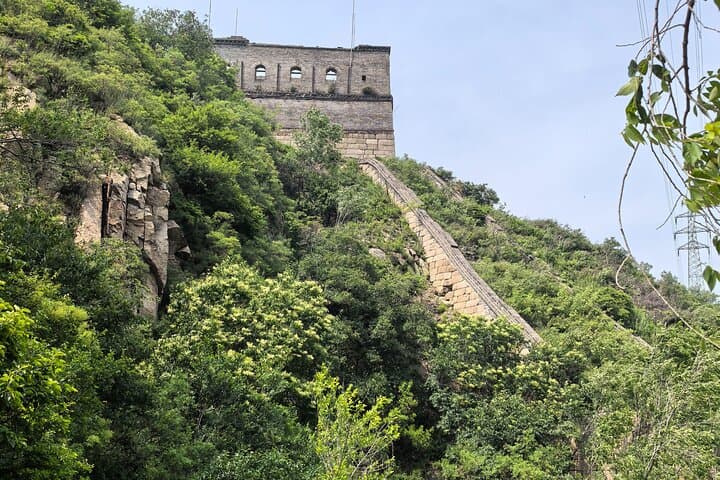
Badaling is the Great Wall most travelers picture: restored ramparts, regular battlements and long sightlines where the wall snakes over limestone and shale ridges. Built and fortified across several dynasties, the Ming-era work here was engineered to control the Jingxing corridor and stands on a spine of exposed bedrock that funnels mountain runoff into narrow valleys below.
Local life around Badaling blends rural suburbs and modern tourism infrastructure; vendors and guides explain legends of soldiers and signal fires while placards give dates and construction notes. The area’s geology is obvious underfoot — compacted masonry sitting on fractured, ancient rock that resists erosion, which is why this stretch was fortified.
Practicalities: tours from Beijing typically run 6–8 hours round-trip with about 2–3 hours on site. Expect paved and stone steps, some steep pitches and handrails in busy sections. Peak mornings and late afternoons offer better light for photos and fewer buses; midday can be hot and crowded.
Bring sturdy shoes, sun protection and a refillable bottle; there’s food and restrooms but limited shade between towers. Guides will pace you through history and point out defensive features; independent exploration is straightforward but respect restricted areas. Whether you pick a group bus or private car, the route delivers clear lines of sight, layered history and an energetic encounter with one of humanity’s longest architectural efforts.
easy.
6–8 hours.
Basic walking fitness; able to climb and descend flights of stone steps for up to 2–3 hours on-site.
Most tours allocate about 2–3 hours at Badaling with total trip time from Beijing around 6–8 hours depending on pickup and traffic.
Yes — restored ramps and railings make it accessible in many parts, but some steep sections may be challenging; choose lower-gradient routes and take breaks.
Standard BusDa options include entrance tickets and round-trip transportation; confirm your selected option when booking.
Yes — guides often allow free time to walk sections independently, but follow posted closures and avoid restricted restoration zones.
Badaling’s current walls date mainly to the Ming dynasty when the route was fortified to protect northern approaches to Beijing; watchtowers are sited where ridgelines control movement.
Visitors are asked to stay on designated paths to protect original masonry and local vegetation; ongoing restoration aims to balance public access with preservation.
Busda operates guided outdoor trips and adventures with an emphasis on safety, stewardship, and memorable experiences.
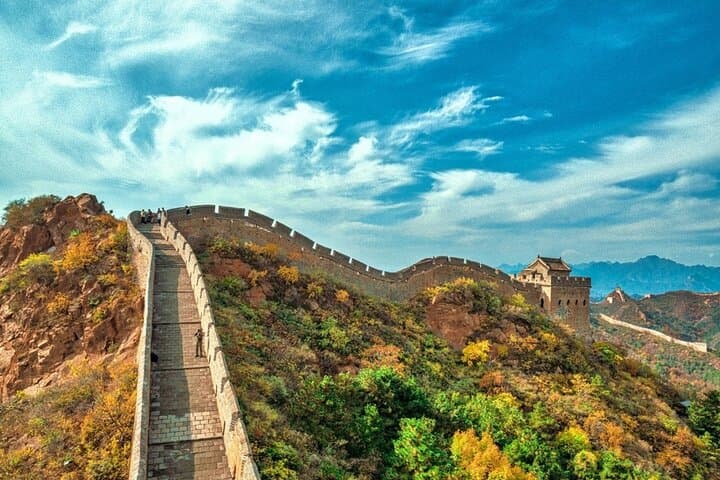
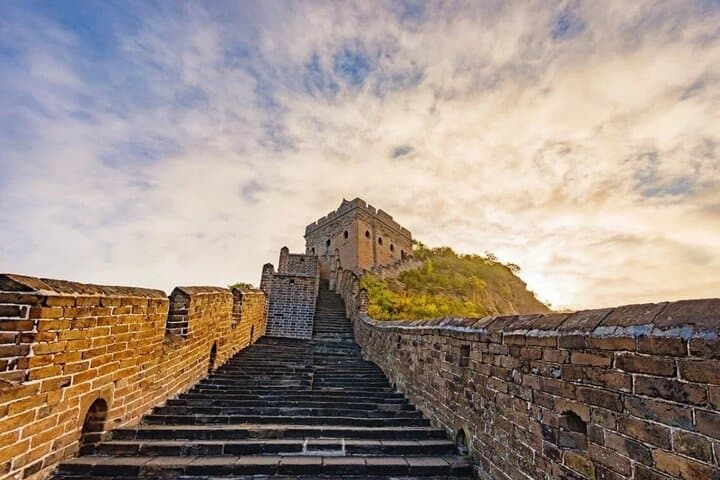
You step from the air-conditioned coach onto broad stone steps that slope up toward crenellated watchtowers, the city shrinking behind you and a ridgeline pushing forward like an old, patient guard.
You step from the air-conditioned coach onto broad stone steps that slope up toward crenellated watchtowers, the city shrinking behind you and a ridgeline pushing forward like an old, patient guard.
Badaling is the Great Wall most travelers picture: restored ramparts, regular battlements and long sightlines where the wall snakes over limestone and shale ridges. Built and fortified across several dynasties, the Ming-era work here was engineered to control the Jingxing corridor and stands on a spine of exposed bedrock that funnels mountain runoff into narrow valleys below.
Local life around Badaling blends rural suburbs and modern tourism infrastructure; vendors and guides explain legends of soldiers and signal fires while placards give dates and construction notes. The area’s geology is obvious underfoot — compacted masonry sitting on fractured, ancient rock that resists erosion, which is why this stretch was fortified.
Practicalities: tours from Beijing typically run 6–8 hours round-trip with about 2–3 hours on site. Expect paved and stone steps, some steep pitches and handrails in busy sections. Peak mornings and late afternoons offer better light for photos and fewer buses; midday can be hot and crowded.
Bring sturdy shoes, sun protection and a refillable bottle; there’s food and restrooms but limited shade between towers. Guides will pace you through history and point out defensive features; independent exploration is straightforward but respect restricted areas. Whether you pick a group bus or private car, the route delivers clear lines of sight, layered history and an energetic encounter with one of humanity’s longest architectural efforts.