THE ADVENTURE COLLECTIVE® · Independent discovery and booking for outdoor travel

Head into Tyresta National Park on a guided two-day backpacking trip from Stockholm—35 km of ancient pine forest, rocky outcrops, and a wild campsite under the stars. Expect simple wilderness skills, modest elevation, and close-up encounters with Sweden’s northern forests.
Head into Tyresta National Park on a guided two-day backpacking trip from Stockholm—35 km of ancient pine forest, rocky outcrops, and a wild campsite under the stars. Expect simple wilderness skills, modest elevation, and close-up encounters with Sweden’s northern forests.
A low trail opens into old-growth pines that have been standing since the ice retreated; the forest breathes close and cool, and each step drops onto lichen-soft humus or ancient bedrock. On this two-day route through Tyresta National Park, hikers leave Stockholm behind and move into a landscape that pushes back gently—peat bogs dare you to skirt them, granite slabs slope like slow riverbeds, and wind-scoured ridges reveal wide northern sky.
Verified experiences and guided adventures in the surrounding area.
Operated by Stockholm Nature AB · Stockholm, Stockholm County
A low trail opens into old-growth pines that have been standing since the ice retreated; the forest breathes close and cool, and each step drops onto lichen-soft humus or ancient bedrock. On this two-day route through Tyresta National Park, hikers leave Stockholm behind and move into a landscape that pushes back gently—peat bogs dare you to skirt them, granite slabs slope like slow riverbeds, and wind-scoured ridges reveal wide northern sky.
Tyresta is one of southern Sweden’s largest protected stands of ancient forest, its contours carved by the last Ice Age and its human story stretching back to Viking-era use of woodland resources. The park’s geology is predatory granite and gneiss; glacial striations and erratics are common, and shallow lakes collect beneath moraine rims. Locals prize the area for foraging, birdwatching and as a place to learn traditional outdoor skills like firecraft and route-finding.
Practically, expect roughly 35 km across two days of mixed terrain—rooted singletrack, forest service roads, occasional boardwalks and rocky scrambles—total ascent is modest but continuous. Guides supply tents, pads, sleeping bags and food; participants carry a daypack with personal items and shared camp gear. Water is available from streams but should be treated.
Plan for layered clothing, waterproof footwear with good traction, and a headlamp for short, late-night tasks. Start early to make camp before dusk, ration water on exposed sections, and keep noise low to increase chances of spotting capercaillie, deer or owls. This trip suits hikers with steady endurance and a taste for hands-on wilderness living rather than technical mountaineering.
moderate.
2 days.
Suitable for hikers with moderate endurance who can carry a daypack and hike 15–20 km per day over uneven terrain.
The itinerary covers about 35 km total, typically split into two days of roughly 15–20 km depending on group pace and chosen campsites.
No advanced experience required, but participants should be comfortable hiking multiple hours with a daypack and assisting with basic camp chores.
Guides, roundtrip transport from Stockholm, tents, sleeping pads and bags, meals (full board), and a packed backpack are included.
Facilities are limited—there are designated campsites and simple latrine setups; practice Leave No Trace and follow guide instructions.
The area contains traces of human use dating back to the Viking Age, with old charcoal pits and hunting grounds that reflect a long relationship between people and forest.
Tyresta is managed to protect its primeval forest character; visitors are urged to stick to trails, minimize campfire impacts, and pack out all waste to preserve sensitive bogs and lichen communities.
Stockholm Nature AB operates guided outdoor trips and adventures with an emphasis on safety, stewardship, and memorable experiences.
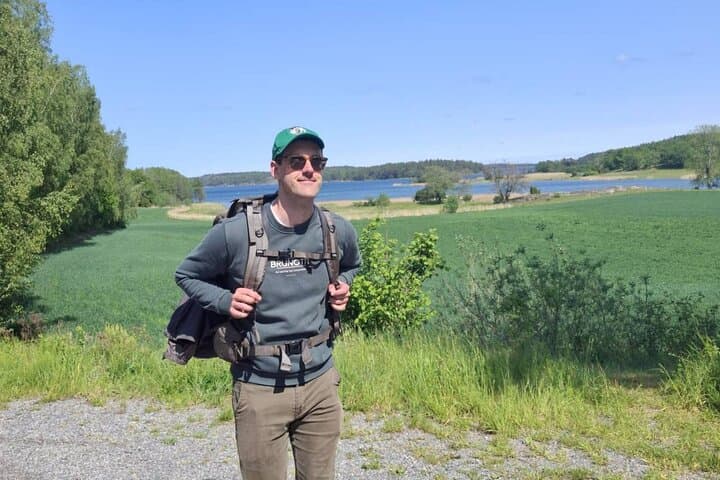


A low trail opens into old-growth pines that have been standing since the ice retreated; the forest breathes close and cool, and each step drops onto lichen-soft humus or ancient bedrock. On this two-day route through Tyresta National Park, hikers leave Stockholm behind and move into a landscape that pushes back gently—peat bogs dare you to skirt them, granite slabs slope like slow riverbeds, and wind-scoured ridges reveal wide northern sky.
A low trail opens into old-growth pines that have been standing since the ice retreated; the forest breathes close and cool, and each step drops onto lichen-soft humus or ancient bedrock. On this two-day route through Tyresta National Park, hikers leave Stockholm behind and move into a landscape that pushes back gently—peat bogs dare you to skirt them, granite slabs slope like slow riverbeds, and wind-scoured ridges reveal wide northern sky.
Tyresta is one of southern Sweden’s largest protected stands of ancient forest, its contours carved by the last Ice Age and its human story stretching back to Viking-era use of woodland resources. The park’s geology is predatory granite and gneiss; glacial striations and erratics are common, and shallow lakes collect beneath moraine rims. Locals prize the area for foraging, birdwatching and as a place to learn traditional outdoor skills like firecraft and route-finding.
Practically, expect roughly 35 km across two days of mixed terrain—rooted singletrack, forest service roads, occasional boardwalks and rocky scrambles—total ascent is modest but continuous. Guides supply tents, pads, sleeping bags and food; participants carry a daypack with personal items and shared camp gear. Water is available from streams but should be treated.
Plan for layered clothing, waterproof footwear with good traction, and a headlamp for short, late-night tasks. Start early to make camp before dusk, ration water on exposed sections, and keep noise low to increase chances of spotting capercaillie, deer or owls. This trip suits hikers with steady endurance and a taste for hands-on wilderness living rather than technical mountaineering.