THE ADVENTURE COLLECTIVE® · Independent discovery and booking for outdoor travel

Step into the working rhythms of old Hvar: grind wheat, press grapes, mend nets and taste traditional island recipes in a hands-on 75-minute experience. Learn the zero-waste practices that shaped daily life on Dalmatian islands while sampling fresh bread, olive oil and paprenjok cookies.
Step into the working rhythms of old Hvar: grind wheat, press grapes, mend nets and taste traditional island recipes in a hands-on 75-minute experience. Learn the zero-waste practices that shaped daily life on Dalmatian islands while sampling fresh bread, olive oil and paprenjok cookies.
A heat-washed stone lane opens to a courtyard where smoke curls from an iron peka and the scent of warm bread pulls you closer. You step into a living patch of 19th-century island life on Hvar: low houses of limestone, a small garden with vines and figs, and tools that still remember the rhythm of tide and field.
Verified experiences and guided adventures in the surrounding area.
Operated by Terra Arhaica Experience · Hvar, Split-Dalmatia County
A heat-washed stone lane opens to a courtyard where smoke curls from an iron peka and the scent of warm bread pulls you closer. You step into a living patch of 19th-century island life on Hvar: low houses of limestone, a small garden with vines and figs, and tools that still remember the rhythm of tide and field.
This hour-plus experience traces daily survival on Dalmatian islands—how grain becomes bread under an iron bell, how grapes yield juice and then wine, and why every household learned to salvage, mend, and reuse. Geology shows in the limestone terraces and thin soils that forced inventive farming; culture appears in the cooperative crafts of fishermen, coopers and farmers who shaped community life.
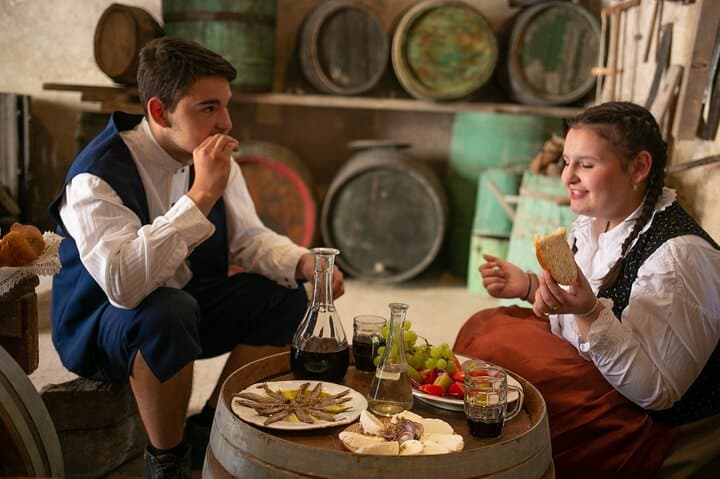
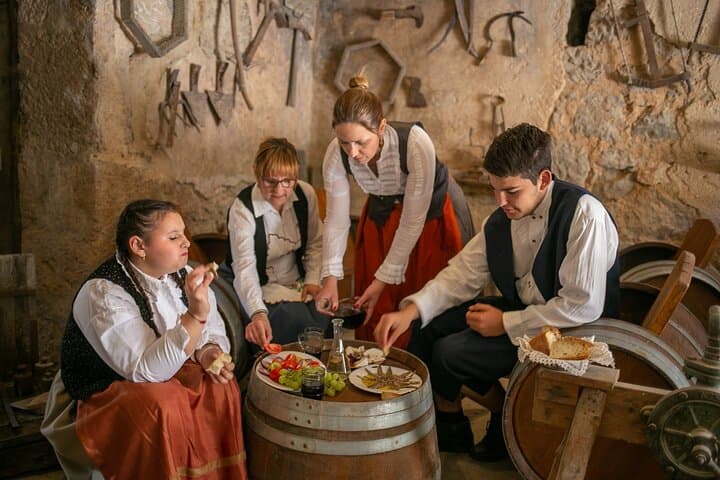
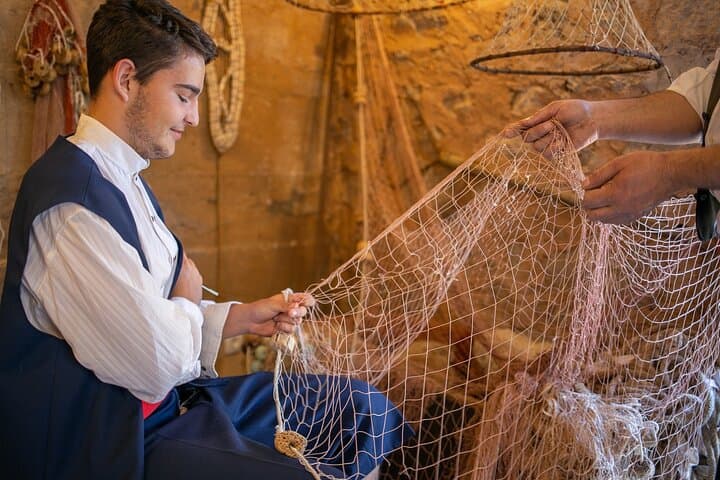
Hosts teach hands-on skills: grinding wheat, pressing grapes, weaving simple cloth, mending nets and salting fish. You’ll taste fresh olive oil on warm bread, a farmer-fisherman’s plate of sardines and garden vegetables, and the peppery paprenjok cookie still made by hand. The pace is tactile and straightforward—expect small-group instruction, communal work, and stories about resourcefulness that predate modern waste.
Practical notes: wear closed-toe shoes for uneven yards, bring sun protection, and plan for about 75 minutes. The program is family-friendly but involves standing and simple manual tasks. If you want to film or take tools home, ask the host—some items are for demonstration only. This is a compact, sensory dive into Hvar’s rural past: hands-on, flavorful, and quietly rigorous in its respect for materials and tradition.
easy.
1–1.5 hours.
Light activity; should be comfortable standing, bending and doing brief manual tasks.
The program runs about 75 minutes and is a compact, hands-on session covering several traditional crafts and tastings.
Yes—families are welcome; activities are low-risk but involve standing and simple manual tasks, so supervision for young children is recommended.
Yes—traditional snacks and desserts are included; notify the host of allergies or dietary needs when booking so they can adapt offerings where possible.
Access may be limited by historic stone yards and uneven terrain; contact the operator before booking to discuss specific accessibility needs.
Hvar’s island communities developed self-sufficient techniques—dry stone terraces, peka ovens and cooperative fishing—that reflect centuries of adapting to thin soils and sea exposure.
Local hosts emphasize low-waste traditions and reuse; visitors are encouraged to follow leave-no-trace principles and support small producers.
Terra Arhaica Experience operates guided outdoor trips and adventures with an emphasis on safety, stewardship, and memorable experiences.
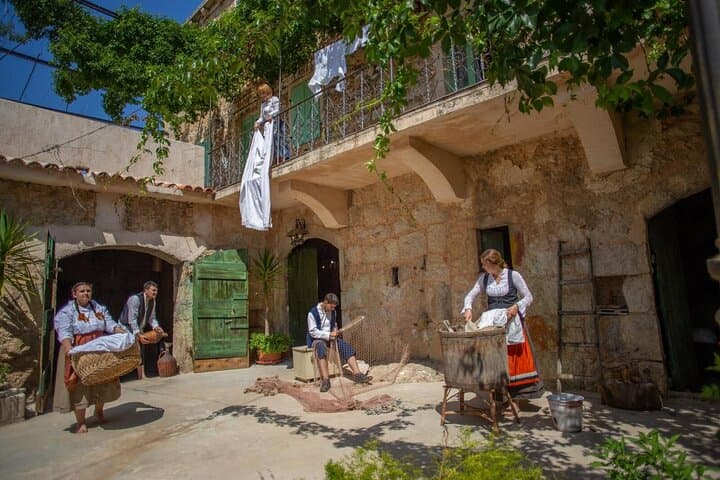
A heat-washed stone lane opens to a courtyard where smoke curls from an iron peka and the scent of warm bread pulls you closer. You step into a living patch of 19th-century island life on Hvar: low houses of limestone, a small garden with vines and figs, and tools that still remember the rhythm of tide and field.
A heat-washed stone lane opens to a courtyard where smoke curls from an iron peka and the scent of warm bread pulls you closer. You step into a living patch of 19th-century island life on Hvar: low houses of limestone, a small garden with vines and figs, and tools that still remember the rhythm of tide and field.
This hour-plus experience traces daily survival on Dalmatian islands—how grain becomes bread under an iron bell, how grapes yield juice and then wine, and why every household learned to salvage, mend, and reuse. Geology shows in the limestone terraces and thin soils that forced inventive farming; culture appears in the cooperative crafts of fishermen, coopers and farmers who shaped community life.
Hosts teach hands-on skills: grinding wheat, pressing grapes, weaving simple cloth, mending nets and salting fish. You’ll taste fresh olive oil on warm bread, a farmer-fisherman’s plate of sardines and garden vegetables, and the peppery paprenjok cookie still made by hand. The pace is tactile and straightforward—expect small-group instruction, communal work, and stories about resourcefulness that predate modern waste.
Practical notes: wear closed-toe shoes for uneven yards, bring sun protection, and plan for about 75 minutes. The program is family-friendly but involves standing and simple manual tasks. If you want to film or take tools home, ask the host—some items are for demonstration only. This is a compact, sensory dive into Hvar’s rural past: hands-on, flavorful, and quietly rigorous in its respect for materials and tradition.