THE ADVENTURE COLLECTIVE® · Independent discovery and booking for outdoor travel

A full-day trekking circuit in Bach Ma National Park that combines Hai Vong Dai viewpoint, the Five Lakes Trail, a swim by Do Quyen waterfall, and colonial-era ruins. Ideal for a guided day trip from Hue, Da Nang, or Hoi An.
A full-day trekking circuit in Bach Ma National Park that combines Hai Vong Dai viewpoint, the Five Lakes Trail, a swim by Do Quyen waterfall, and colonial-era ruins. Ideal for a guided day trip from Hue, Da Nang, or Hoi An.
You start before the buses empty into the park gates, the road climbing through steamed rice terraces and coastal lowland until the forest closes in. The trail swallows sound; leaves click and water begins to call — the rainforest here dares you forward.
Verified experiences and guided adventures in the surrounding area.
Operated by Happy Tour · Hue, Thua Thien-Hue
You start before the buses empty into the park gates, the road climbing through steamed rice terraces and coastal lowland until the forest closes in. The trail swallows sound; leaves click and water begins to call — the rainforest here dares you forward.
Bach Ma sits on the Annamite Range where limestone ridges meet the Truong Son spine. French hill-station ruins and overgrown villas hint at colonial-era escapes; during the Vietnam War the mountain was strategic ground, and today those ruins are quiet markers of layered history. Geologically, the park’s steep slopes and sheltering valleys create microclimates that support montane evergreen forest and high rainfall — ideal for orchids, ferns and rare birds.
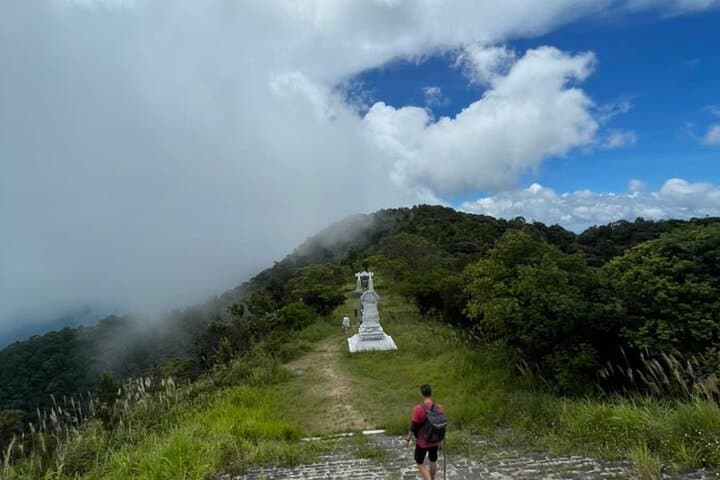
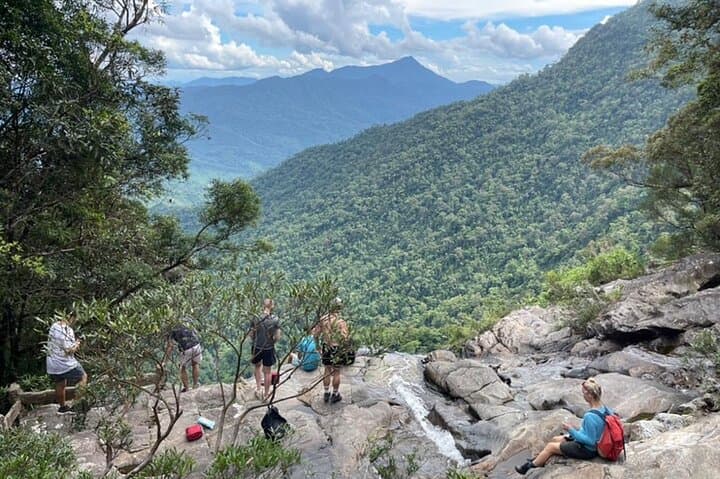
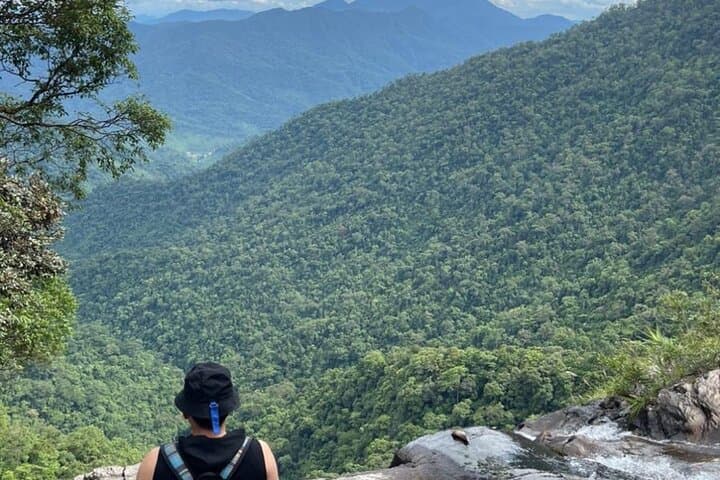
Culturally, villages around the park offer simple hospitality and local food; guides often weave natural history with stories of wartime routes and old trails. You’ll climb toward Hai Vong Dai viewpoint for a sweeping panorama — the sea and lowlands unroll below — then descend along the Five Lakes Trail, where mirror pools and ferned banks invite a cooling swim before lunch.
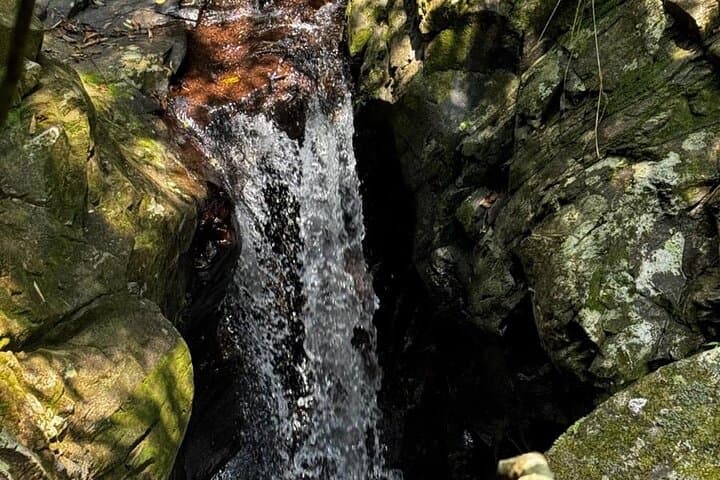
Practical guidance: this is a full-day, mostly well-marked trek with sections of steep steps and muddy singletrack after rain. Wear grippy shoes, bring 2–3 liters of water, and layer for sudden mountain mist. Respect park rules: stay on trails, pack out waste, and give wildlife space. With a local guide and basic hiking fitness, the day delivers abundant views, waterfall time at Do Quyen, and a close look at central Vietnam’s montane biodiversity.
moderate.
8 hours.
Suitable for hikers with basic endurance who can handle uneven terrain and sustained climbs; not technical but full-day stamina required.
Most operators offer hotel pickup in Hue, Da Nang, or Hoi An—confirm your pickup point and time when booking.
Yes—routes are non-technical and guided, but expect several hours of walking with some steep sections; tell the operator about mobility issues.
Yes, swimming is commonly allowed in calm sections of the Five Lakes and at Do Quyen when conditions are safe; always check with your guide first.
Park admission is typically included by organized tours, but confirm details with the operator before departure.
Bach Ma’s cool slopes hosted a French colonial hill station in the early 20th century and later saw strategic activity during the Vietnam War; remnants dot the high trails.
Bach Ma is a protected national park with fragile montane ecosystems—stick to trails, avoid disturbing wildlife, and pack out all trash to reduce visitor impact.
Happy Tour operates guided outdoor trips and adventures with an emphasis on safety, stewardship, and memorable experiences.
You start before the buses empty into the park gates, the road climbing through steamed rice terraces and coastal lowland until the forest closes in. The trail swallows sound; leaves click and water begins to call — the rainforest here dares you forward.
You start before the buses empty into the park gates, the road climbing through steamed rice terraces and coastal lowland until the forest closes in. The trail swallows sound; leaves click and water begins to call — the rainforest here dares you forward.
Bach Ma sits on the Annamite Range where limestone ridges meet the Truong Son spine. French hill-station ruins and overgrown villas hint at colonial-era escapes; during the Vietnam War the mountain was strategic ground, and today those ruins are quiet markers of layered history. Geologically, the park’s steep slopes and sheltering valleys create microclimates that support montane evergreen forest and high rainfall — ideal for orchids, ferns and rare birds.
Culturally, villages around the park offer simple hospitality and local food; guides often weave natural history with stories of wartime routes and old trails. You’ll climb toward Hai Vong Dai viewpoint for a sweeping panorama — the sea and lowlands unroll below — then descend along the Five Lakes Trail, where mirror pools and ferned banks invite a cooling swim before lunch.
Practical guidance: this is a full-day, mostly well-marked trek with sections of steep steps and muddy singletrack after rain. Wear grippy shoes, bring 2–3 liters of water, and layer for sudden mountain mist. Respect park rules: stay on trails, pack out waste, and give wildlife space. With a local guide and basic hiking fitness, the day delivers abundant views, waterfall time at Do Quyen, and a close look at central Vietnam’s montane biodiversity.