THE ADVENTURE COLLECTIVE® · Independent discovery and booking for outdoor travel

Spend three active days kayaking caves, trekking to H’Mong and Tay villages and sleeping in homestays around Ba Be Lake. This mix of paddling and hiking delivers karst scenery, local culture and a rewarding, moderately challenging itinerary.
Spend three active days kayaking caves, trekking to H’Mong and Tay villages and sleeping in homestays around Ba Be Lake. This mix of paddling and hiking delivers karst scenery, local culture and a rewarding, moderately challenging itinerary.
A pale morning light presses through limestone cliffs as the van climbs out of Hanoi; by midafternoon you’re lowering a kayak into the slow, green current of the Nang River. Paddle strokes push you beneath Puong Cave’s cool mouth, past fishing nets and stilt houses, and into widening lake water that opens like a held breath.
Verified experiences and guided adventures in the surrounding area.
Operated by Mr Linh's Adventures · Bac Kan, Bac Kan Province
A pale morning light presses through limestone cliffs as the van climbs out of Hanoi; by midafternoon you’re lowering a kayak into the slow, green current of the Nang River. Paddle strokes push you beneath Puong Cave’s cool mouth, past fishing nets and stilt houses, and into widening lake water that opens like a held breath.
Ba Be’s landscape is karst limestone carved over millennia, a collision of jungle terraces, cave systems and one of Vietnam’s largest freshwater lakes. The park is home to Tay, H’mong and Dao communities whose stilt houses and rice terraces give cultural context to the route—expect village visits, school stops and meals cooked family-style in homestays. Geologically the area records river incision and cave formation; biologically, the lake and surrounding forest support waterbirds and endemic freshwater species.
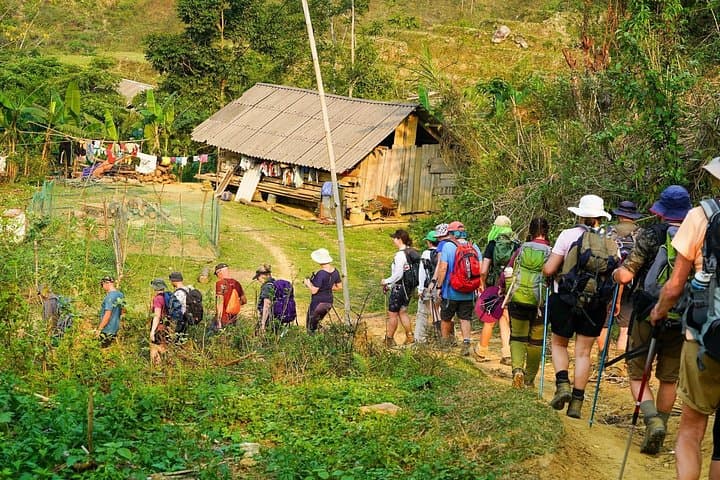
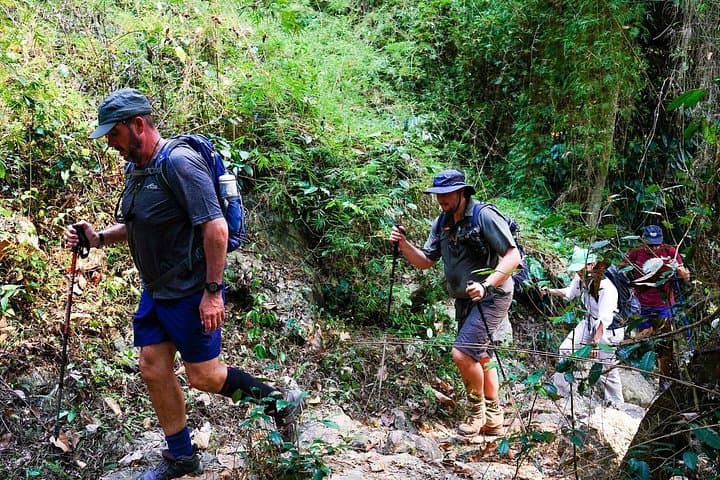
Practically, the tour mixes 10–13 km of river kayaking (day 1), two day-hikes of roughly 10 km each with stream crossings (day 2), and a final paddle across Ba Be Lake plus a cave visit (day 3). Trails are uneven with short steep sections; expect 300–500 m accumulated elevation on hikes, muddy creek crossings and stilt-house steps. Pack layers for cool mornings, strong insect repellent and footwear that drains and grips. Hydrate frequently—the region’s humidity hides effort—and bring small gifts if you plan to visit the local school.
This itinerary is immersive but active: moderate fitness, basic paddling confidence and respect for village customs will make the three days both culturally rich and comfortably challenging.
moderate.
3 days.
Suitable for travelers with moderate fitness; comfortable walking 10 km+ on uneven terrain and basic paddling stamina required
The tour is rated moderate: expect multiple days of paddling (10–13 km max) and two 10 km hikes with stream crossings and short climbs—good stamina and a moderate fitness level are required.
You’ll stay in local homestays (traditional stilt houses) run by Tay or Dao families with shared facilities and home-cooked meals.
Yes—breakfasts, lunches and dinners listed in the itinerary are included, as are sightseeing tickets and local travel permits.
Not recommended for infants without careful planning and not suitable for pregnant travelers or those with serious spinal or cardiovascular conditions due to remote terrain and physical demands.
Ba Be sits in a culturally diverse region of Bac Kan province where Tay, H’mong and Dao groups have farmed and lived on stilt houses for centuries; the park was established to protect the lake and surrounding forest ecosystems.
Ba Be National Park is actively conserved for its freshwater habitats and karst forests; travelers should minimize waste, avoid single-use plastics and respect local resource use.
Mr Linh's Adventures operates guided outdoor trips and adventures with an emphasis on safety, stewardship, and memorable experiences.
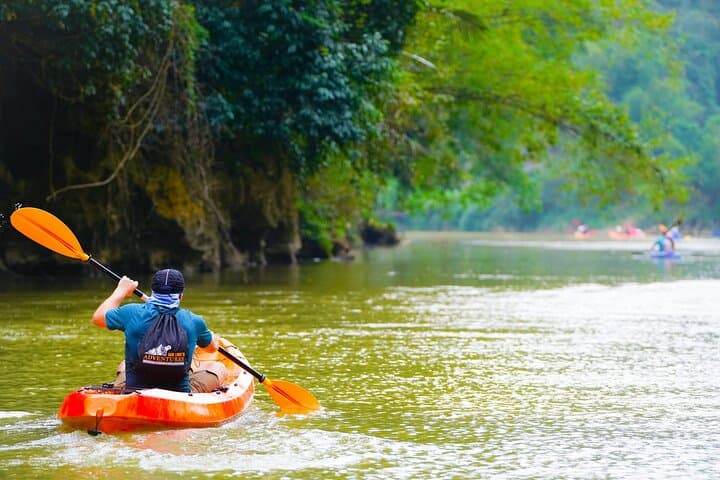
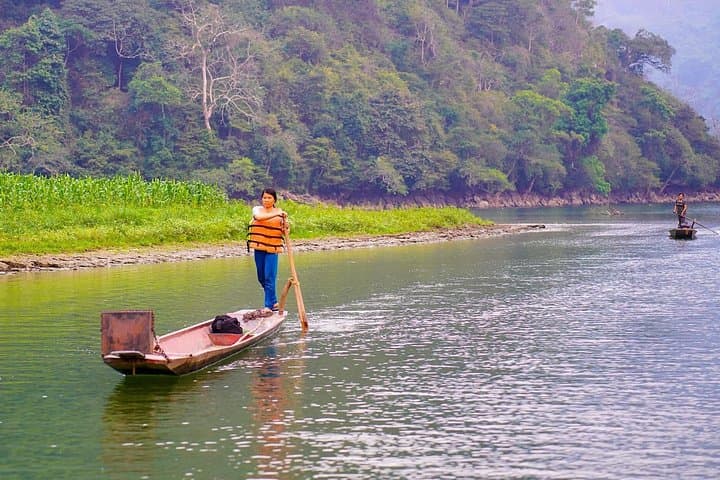
A pale morning light presses through limestone cliffs as the van climbs out of Hanoi; by midafternoon you’re lowering a kayak into the slow, green current of the Nang River. Paddle strokes push you beneath Puong Cave’s cool mouth, past fishing nets and stilt houses, and into widening lake water that opens like a held breath.
A pale morning light presses through limestone cliffs as the van climbs out of Hanoi; by midafternoon you’re lowering a kayak into the slow, green current of the Nang River. Paddle strokes push you beneath Puong Cave’s cool mouth, past fishing nets and stilt houses, and into widening lake water that opens like a held breath.
Ba Be’s landscape is karst limestone carved over millennia, a collision of jungle terraces, cave systems and one of Vietnam’s largest freshwater lakes. The park is home to Tay, H’mong and Dao communities whose stilt houses and rice terraces give cultural context to the route—expect village visits, school stops and meals cooked family-style in homestays. Geologically the area records river incision and cave formation; biologically, the lake and surrounding forest support waterbirds and endemic freshwater species.
Practically, the tour mixes 10–13 km of river kayaking (day 1), two day-hikes of roughly 10 km each with stream crossings (day 2), and a final paddle across Ba Be Lake plus a cave visit (day 3). Trails are uneven with short steep sections; expect 300–500 m accumulated elevation on hikes, muddy creek crossings and stilt-house steps. Pack layers for cool mornings, strong insect repellent and footwear that drains and grips. Hydrate frequently—the region’s humidity hides effort—and bring small gifts if you plan to visit the local school.
This itinerary is immersive but active: moderate fitness, basic paddling confidence and respect for village customs will make the three days both culturally rich and comfortably challenging.