THE ADVENTURE COLLECTIVE® · Independent discovery and booking for outdoor travel

Trade Hanoi’s bustle for limestone peaks, wide river valleys and intimate village life on a 3‑day loop to Ba Be Lake and Ban Gioc Waterfall. Expect boat cruises, cave walks, homestays and terraced-rice scenery off the usual tourist track.
Trade Hanoi’s bustle for limestone peaks, wide river valleys and intimate village life on a 3‑day loop to Ba Be Lake and Ban Gioc Waterfall. Expect boat cruises, cave walks, homestays and terraced-rice scenery off the usual tourist track.
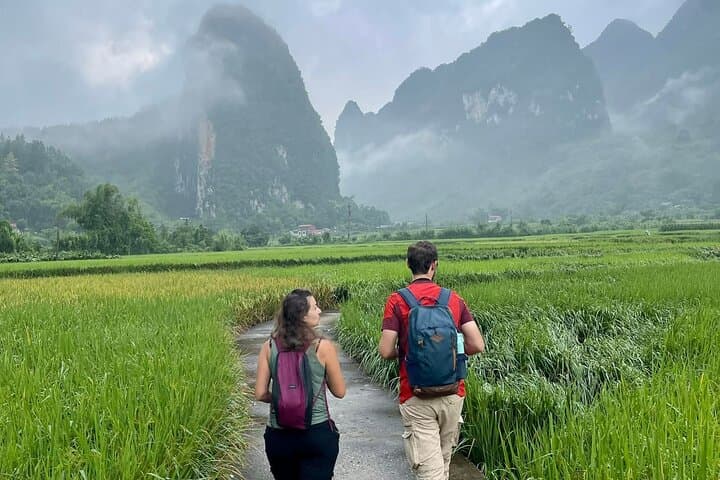
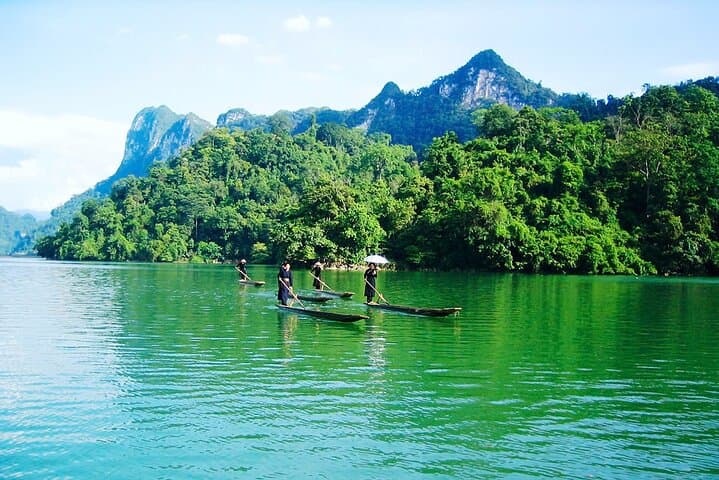
The morning air cracks with motorbike exhaust as Hanoi shrinks behind you and the road climbs into limestone ribs and rice-terraced shoulders. By midafternoon the Nang River dares you to slow down: its green current pushes your longtail toward Puong Cave, then opens into the broad, placid basin of Ba Be Lake where villages sit like slow-breathing houses on stilts.
Verified experiences and guided adventures in the surrounding area.
Operated by Vietmountain Travel · Ba Be, Bắc Kạn Province
The morning air cracks with motorbike exhaust as Hanoi shrinks behind you and the road climbs into limestone ribs and rice-terraced shoulders. By midafternoon the Nang River dares you to slow down: its green current pushes your longtail toward Puong Cave, then opens into the broad, placid basin of Ba Be Lake where villages sit like slow-breathing houses on stilts.
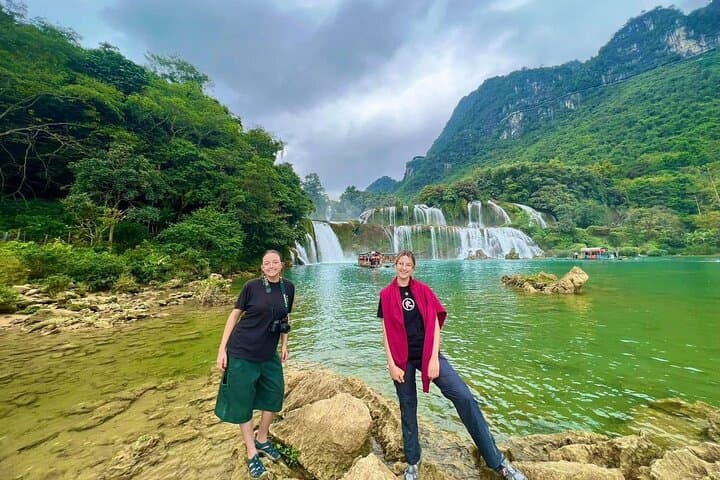
This loop stitches together geography and culture. Ba Be sits inside a karst basin carved from limestone and uplifted by tectonic folds; the lake itself is one of Asia’s larger freshwater mountain lakes. Further northeast, Ban Gioc drops in tiers on the China border, a curtain of water that shapes local microclimate and seasonal farming. The Tay and Nung peoples populate the valleys—stilt houses, stone-paved lanes, and village blacksmiths at Phuc Sen preserve craft traditions tied to rice and river.
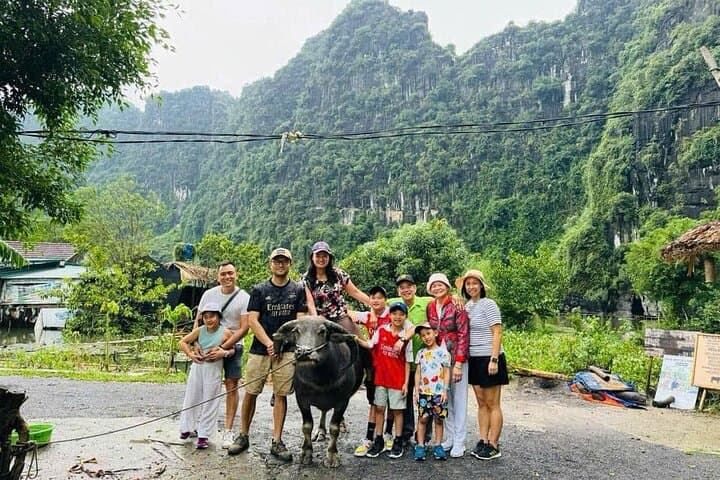
Caves like Nguom Ngao (Tiger Cave) record millennia of dripping chemistry—stalactites and stalagmites that read like slow-building architecture. Cultural exchange here is intimate: homestays in Pac Ngoi and Khuoi Ky invite conversation over hot fish and rice wine.
Practical side: plan for long drives (Hanoi to Ba Be ~230 km; Ban Gioc adds ~200 km), narrow mountain roads, and short boat transfers. Bring sturdy shoes for short treks and cave walking, a lightweight rain layer, insect protection, and local currency for remote purchases. Travel mornings for photography and calmer water, and allow flexible time—mountain weather can rewrite plans. This trip is about moving slowly through landscape and lives, not racing sightseeing boxes.
moderate.
3 days (approx. 72 hours including travel).
Suitable for travelers who can handle long vehicle transfers, short hikes, and boat/raft trips; basic mobility required.
The trip covers roughly 230 km and takes about 4.5–6 hours depending on traffic and stops along the way.
Yes—there are supervised spots for swimming and bamboo rafting; check with your guide about safe areas and currents.
This tour offers private twin rooms at homestays; single travelers may pay a small surcharge for single occupancy.
The tour involves boat boarding, uneven paths and stairs in caves; it’s best for those with basic mobility rather than severe limitations.
Ba Be area has long been a cultural crossroads between Tay and Nung communities; its karst landscape has sheltered settlements and trade routes for centuries.
Ba Be National Park works to balance tourism with ecosystem protection—stick to marked paths, avoid single-use plastics, and follow local guidance to minimize impact.
Vietmountain Travel operates guided outdoor trips and adventures with an emphasis on safety, stewardship, and memorable experiences.
The morning air cracks with motorbike exhaust as Hanoi shrinks behind you and the road climbs into limestone ribs and rice-terraced shoulders. By midafternoon the Nang River dares you to slow down: its green current pushes your longtail toward Puong Cave, then opens into the broad, placid basin of Ba Be Lake where villages sit like slow-breathing houses on stilts.
The morning air cracks with motorbike exhaust as Hanoi shrinks behind you and the road climbs into limestone ribs and rice-terraced shoulders. By midafternoon the Nang River dares you to slow down: its green current pushes your longtail toward Puong Cave, then opens into the broad, placid basin of Ba Be Lake where villages sit like slow-breathing houses on stilts.
This loop stitches together geography and culture. Ba Be sits inside a karst basin carved from limestone and uplifted by tectonic folds; the lake itself is one of Asia’s larger freshwater mountain lakes. Further northeast, Ban Gioc drops in tiers on the China border, a curtain of water that shapes local microclimate and seasonal farming. The Tay and Nung peoples populate the valleys—stilt houses, stone-paved lanes, and village blacksmiths at Phuc Sen preserve craft traditions tied to rice and river.
Caves like Nguom Ngao (Tiger Cave) record millennia of dripping chemistry—stalactites and stalagmites that read like slow-building architecture. Cultural exchange here is intimate: homestays in Pac Ngoi and Khuoi Ky invite conversation over hot fish and rice wine.
Practical side: plan for long drives (Hanoi to Ba Be ~230 km; Ban Gioc adds ~200 km), narrow mountain roads, and short boat transfers. Bring sturdy shoes for short treks and cave walking, a lightweight rain layer, insect protection, and local currency for remote purchases. Travel mornings for photography and calmer water, and allow flexible time—mountain weather can rewrite plans. This trip is about moving slowly through landscape and lives, not racing sightseeing boxes.