THE ADVENTURE COLLECTIVE® · Independent discovery and booking for outdoor travel

A three-day loop from Hanoi linking Ba Be Lake’s placid karst waters with the thunder of Ban Gioc waterfall and the caverns of Nguom Ngao. Expect homestays, boat rides, and long scenic drives through historically charged mountain passes.
A three-day loop from Hanoi linking Ba Be Lake’s placid karst waters with the thunder of Ban Gioc waterfall and the caverns of Nguom Ngao. Expect homestays, boat rides, and long scenic drives through historically charged mountain passes.
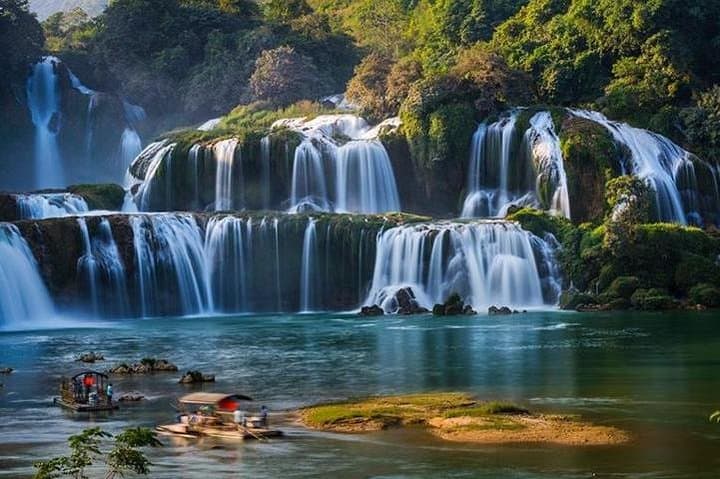
You step out of Hanoi before dawn and the road unfurls — a ribbon of asphalt that threads through green foothills and suddenly opens onto limestone teeth and wide, slow water. By afternoon the Nang River will be nudging your boat past karst islands, and Ban Gioc’s curtains of water will be roaring like a border-line orchestra, splitting attention between two countries.
Verified experiences and guided adventures in the surrounding area.
Operated by APT Travel · Cao Bang, Cao Bang Province
You step out of Hanoi before dawn and the road unfurls — a ribbon of asphalt that threads through green foothills and suddenly opens onto limestone teeth and wide, slow water. By afternoon the Nang River will be nudging your boat past karst islands, and Ban Gioc’s curtains of water will be roaring like a border-line orchestra, splitting attention between two countries.
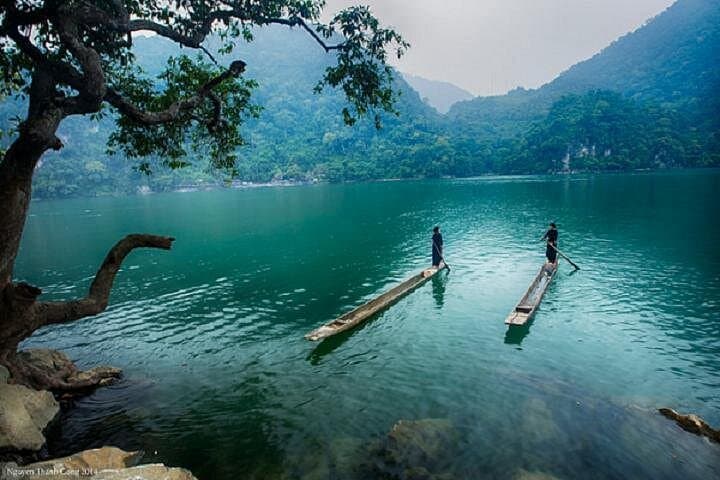
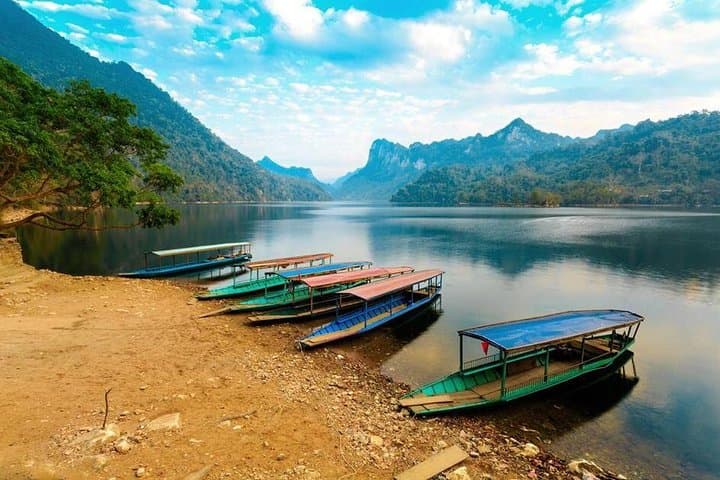
This route links Ba Be Lake — Vietnam’s largest natural freshwater lake, set in a karst basin — with the sweeping cascade of Ban Gioc on the China border and the 2,144-meter passages of Nguom Ngao Cave. Chi Lang Pass and the Battle of Dong Khe are visible in local memory: strategic chokepoints that shaped regional history and the cultural landscape of Tay, Nung and Nung ethnic communities you’ll meet in village homestays.
Geologically, expect chalky karsts, submerged caves carved by persistent rivers, and terraces of rice that map centuries of agrarian life. Culturally, homestays serve real family meals and offer insight into blacksmithing and river-based livelihoods.
Practical guidance: pack for humidity and sudden rain, bring cash (small vendors and homestays often don’t take cards), and prepare for long drives — the loop from Hanoi covers roughly 430–480 km round trip with multiple stops. Boat sections are calm but currents near the falls are stronger; follow crew instructions. Aim to travel light for boat rides and wear grippy shoes for cave passages. Morning light is best for photos at Ban Gioc; late afternoon softens the karsts at Ba Be. Respect local customs, carry reusable water, and leave no trace — these landscapes respond to how you treat them.
moderate.
3 days.
Light to moderate fitness — able to handle long vehicle transfers, short hikes, boat rides and staired cave passages.
The group departs from central Hanoi (typically the Old Quarter) and returns to Hanoi on day three.
Swimming is possible at designated calmer spots on Ba Be Lake; swimming near Ban Gioc is not advised because of strong currents near the falls and changing water levels.
Meals listed in the itinerary (breakfasts, lunches, dinners as stated) and homestay accommodation are included; read the tour details for specific inclusions.
The tour involves long transfers, boat rides and some uneven walking; it’s generally family-friendly but not recommended for travelers with serious mobility limitations or recent spinal injuries.
Chi Lang Pass and Dong Khe are historic defensive points with centuries of strategic importance; local ethnic groups (Tay, Nung) maintain distinct cultural practices reflected in homestays and crafts.
Ba Be is part of a national park; sustainable tourism here relies on minimizing waste, following boat guides’ instructions, and supporting local homestays to keep economic benefits in the community.
APT Travel operates guided outdoor trips and adventures with an emphasis on safety, stewardship, and memorable experiences.
You step out of Hanoi before dawn and the road unfurls — a ribbon of asphalt that threads through green foothills and suddenly opens onto limestone teeth and wide, slow water. By afternoon the Nang River will be nudging your boat past karst islands, and Ban Gioc’s curtains of water will be roaring like a border-line orchestra, splitting attention between two countries.
You step out of Hanoi before dawn and the road unfurls — a ribbon of asphalt that threads through green foothills and suddenly opens onto limestone teeth and wide, slow water. By afternoon the Nang River will be nudging your boat past karst islands, and Ban Gioc’s curtains of water will be roaring like a border-line orchestra, splitting attention between two countries.
This route links Ba Be Lake — Vietnam’s largest natural freshwater lake, set in a karst basin — with the sweeping cascade of Ban Gioc on the China border and the 2,144-meter passages of Nguom Ngao Cave. Chi Lang Pass and the Battle of Dong Khe are visible in local memory: strategic chokepoints that shaped regional history and the cultural landscape of Tay, Nung and Nung ethnic communities you’ll meet in village homestays.
Geologically, expect chalky karsts, submerged caves carved by persistent rivers, and terraces of rice that map centuries of agrarian life. Culturally, homestays serve real family meals and offer insight into blacksmithing and river-based livelihoods.
Practical guidance: pack for humidity and sudden rain, bring cash (small vendors and homestays often don’t take cards), and prepare for long drives — the loop from Hanoi covers roughly 430–480 km round trip with multiple stops. Boat sections are calm but currents near the falls are stronger; follow crew instructions. Aim to travel light for boat rides and wear grippy shoes for cave passages. Morning light is best for photos at Ban Gioc; late afternoon softens the karsts at Ba Be. Respect local customs, carry reusable water, and leave no trace — these landscapes respond to how you treat them.