THE ADVENTURE COLLECTIVE® · Independent discovery and booking for outdoor travel

Board a biologist-led vessel from Ponta Delgada and search the productive waters around São Miguel for sperm whales, dolphins, and migratory species. These 2–3 hour outings pair traditional land vigias with modern science for high-probability sightings and responsible wildlife viewing.
Board a biologist-led vessel from Ponta Delgada and search the productive waters around São Miguel for sperm whales, dolphins, and migratory species. These 2–3 hour outings pair traditional land vigias with modern science for high-probability sightings and responsible wildlife viewing.
You step out onto the marina as a cool Atlantic wind pins salt to your lips; fishermen and guides exchange a quick nod while binoculars sweep the horizon. From the vigias—traditional shoreline lookouts—the crew picks a direction and the boat eases off the quay, the island cliffs of São Miguel receding as deep blue opens and the ocean begins to speak.
Verified experiences and guided adventures in the surrounding area.
Operated by Picos de Aventura - Animação e Lazer, S.A. · Ponta Delgada, São Miguel
You step out onto the marina as a cool Atlantic wind pins salt to your lips; fishermen and guides exchange a quick nod while binoculars sweep the horizon. From the vigias—traditional shoreline lookouts—the crew picks a direction and the boat eases off the quay, the island cliffs of São Miguel receding as deep blue opens and the ocean begins to speak.
The Azores sit on the Mid-Atlantic Ridge where volcanic uplift and submarine canyons create rich feeding grounds for cetaceans. São Miguel has a long maritime culture: once a center for whaling, the islands now host scientific observation and conservation-led tourism. Local vigias remain part of that living knowledge, pairing old techniques with modern hydrophones and marine biology expertise.
On a 2–3 hour outing you’ll feel the difference between vessels: a rigid inflatable delivers a close-to-water, fast search pattern; a catamaran trades speed for stability, cabin shelter, and onboard toilets—useful if you’re traveling with children. Expect commentary from marine biologists who identify species, explain behaviors, and contextualize sightings within migration and oceanography.
Practical side: mornings tend to be calmer, so book earlier for smoother seas; arrive 15–20 minutes before departure for briefing and kit. Dress in layers and bring a waterproof shell—spray and wind are constant. If you’re prone to seasickness, take preventive measures an hour before boarding. Respect distance rules and listen to guides—ethical observation keeps animals wild and tours sustainable. With binoculars, a charged camera, and patience, the Atlantic often rewards persistence with dolphins, sperm whales, and other migratory giants.
easy.
2–3 hours.
Suitable for most fitness levels—requires basic mobility for boarding smaller boats; children must be accompanied by an adult.
Tours run approximately 2–3 hours; exact duration depends on sightings and sea conditions.
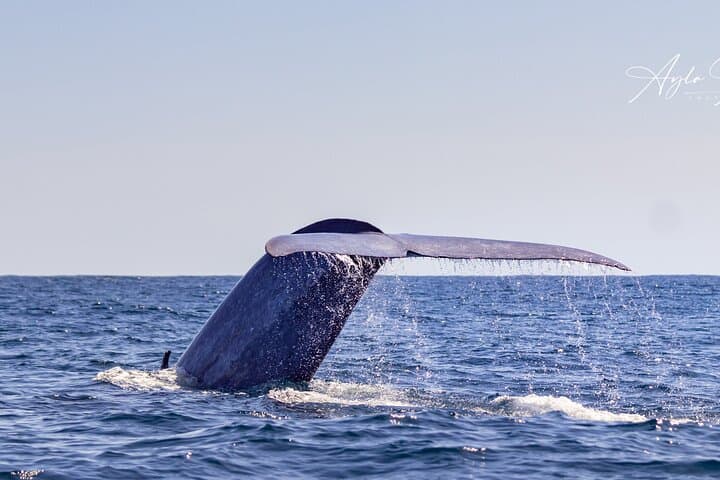
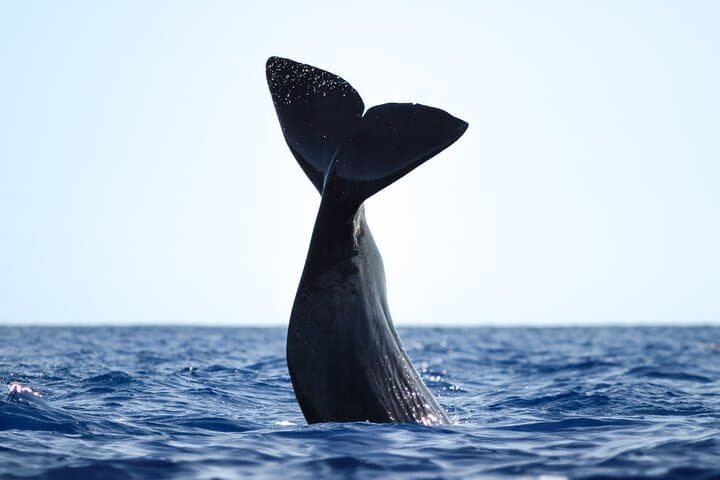
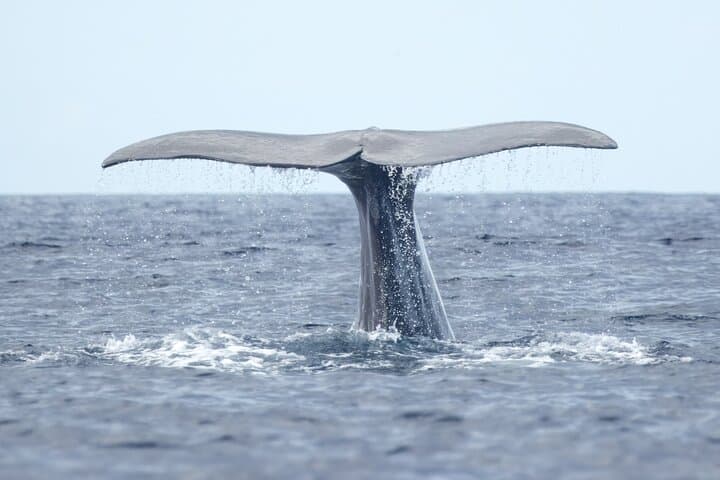
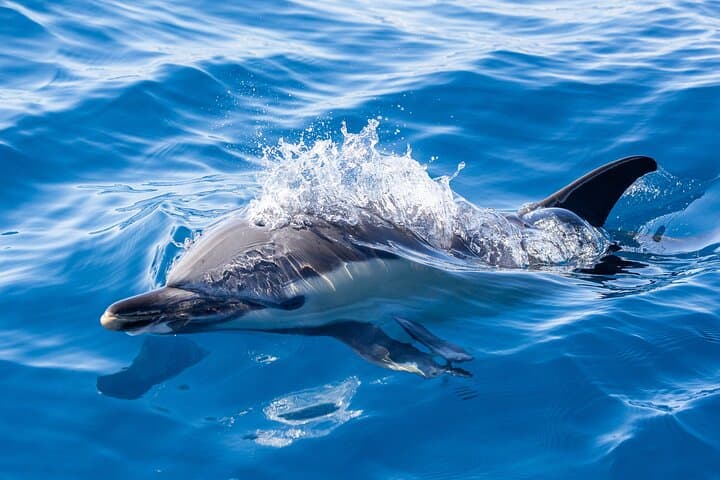
Common encounters include various dolphin species and sperm whales; migratory baleen whales may appear seasonally.
Children can join but must be accompanied by an adult; trips are not recommended for pregnant travelers or people with serious heart conditions—check provider guidance.
Many operators offer a full refund or rebooking guarantee if no cetaceans are sighted—confirm the specific policy when booking.
São Miguel’s maritime culture transitioned from historic shore-based whaling to modern conservation and research; many local practices evolved into today’s ethical observation methods.
Tours led by marine biologists follow strict approach distances and non-invasive protocols; supporting operators that contribute to research helps protect cetaceans and their habitat.
Picos de Aventura - Animação e Lazer, S.A. operates guided outdoor trips and adventures with an emphasis on safety, stewardship, and memorable experiences.
You step out onto the marina as a cool Atlantic wind pins salt to your lips; fishermen and guides exchange a quick nod while binoculars sweep the horizon. From the vigias—traditional shoreline lookouts—the crew picks a direction and the boat eases off the quay, the island cliffs of São Miguel receding as deep blue opens and the ocean begins to speak.
You step out onto the marina as a cool Atlantic wind pins salt to your lips; fishermen and guides exchange a quick nod while binoculars sweep the horizon. From the vigias—traditional shoreline lookouts—the crew picks a direction and the boat eases off the quay, the island cliffs of São Miguel receding as deep blue opens and the ocean begins to speak.
The Azores sit on the Mid-Atlantic Ridge where volcanic uplift and submarine canyons create rich feeding grounds for cetaceans. São Miguel has a long maritime culture: once a center for whaling, the islands now host scientific observation and conservation-led tourism. Local vigias remain part of that living knowledge, pairing old techniques with modern hydrophones and marine biology expertise.
On a 2–3 hour outing you’ll feel the difference between vessels: a rigid inflatable delivers a close-to-water, fast search pattern; a catamaran trades speed for stability, cabin shelter, and onboard toilets—useful if you’re traveling with children. Expect commentary from marine biologists who identify species, explain behaviors, and contextualize sightings within migration and oceanography.
Practical side: mornings tend to be calmer, so book earlier for smoother seas; arrive 15–20 minutes before departure for briefing and kit. Dress in layers and bring a waterproof shell—spray and wind are constant. If you’re prone to seasickness, take preventive measures an hour before boarding. Respect distance rules and listen to guides—ethical observation keeps animals wild and tours sustainable. With binoculars, a charged camera, and patience, the Atlantic often rewards persistence with dolphins, sperm whales, and other migratory giants.