THE ADVENTURE COLLECTIVE® · Independent discovery and booking for outdoor travel

Head out of Vila Franca do Campo on a Zodiac RIB with biologists to track shearwaters, petrels and terns along São Miguel’s south coast. This three-hour expedition combines fast-boat thrills with guided field research and focused wildlife observation.
Head out of Vila Franca do Campo on a Zodiac RIB with biologists to track shearwaters, petrels and terns along São Miguel’s south coast. This three-hour expedition combines fast-boat thrills with guided field research and focused wildlife observation.
You push off from Vila Franca do Campo’s marina as the island’s basalt cliffs slip astern and salt spray sharpens the air.
Verified experiences and guided adventures in the surrounding area.
Operated by Azores Whale Watching TERRA AZUL · Vila Franca do Campo, Azores
You push off from Vila Franca do Campo’s marina as the island’s basalt cliffs slip astern and salt spray sharpens the air.
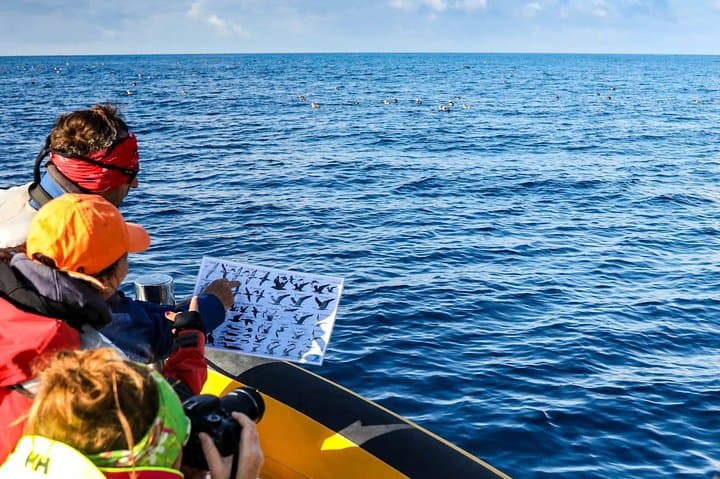
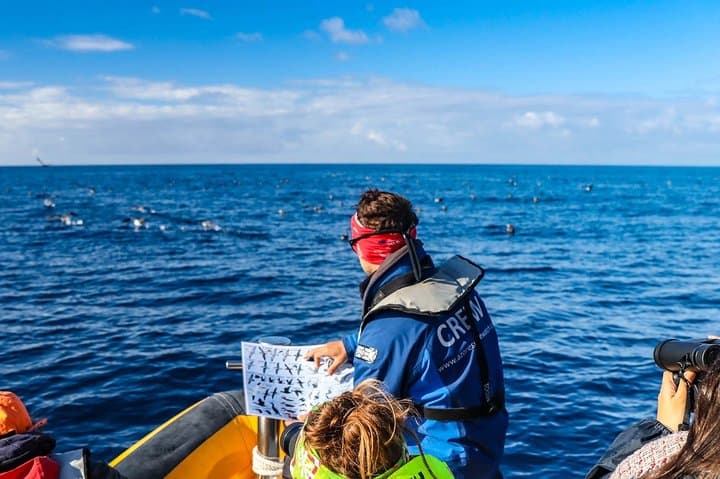
Onboard a nimble Zodiac RIB with a biologist and experienced skipper, the next three hours are a scan of ocean and sky. Guides keep watch for coastal colonies around the islet of Vila Franca do Campo before punching offshore to intercept flocks and solitary petrels. Birds wheel and call; the sea pushes you forward while the guides record behavior and radio lookouts point toward the next pocket of life.
São Miguel is volcanic — tuff rings, lava beds and steep sea cliffs shape the local currents that attract prey and, in turn, seabirds. Fishing culture on the south coast still influences small harbors and the practical boat-handling skills you’ll see, while conservation efforts here balance tourism with fragile breeding sites.
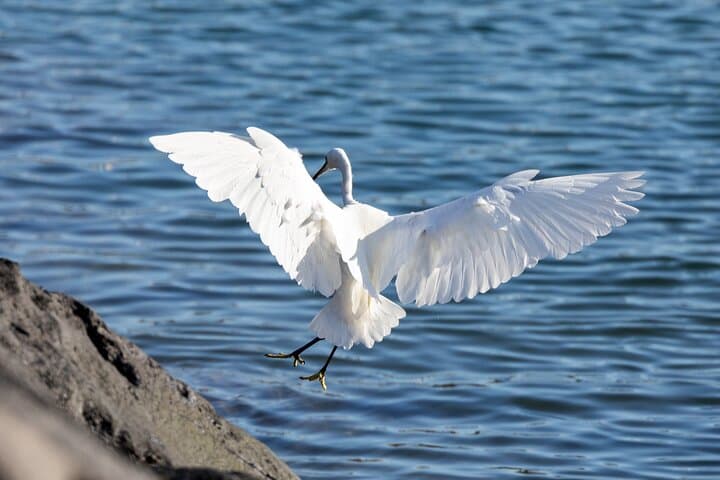
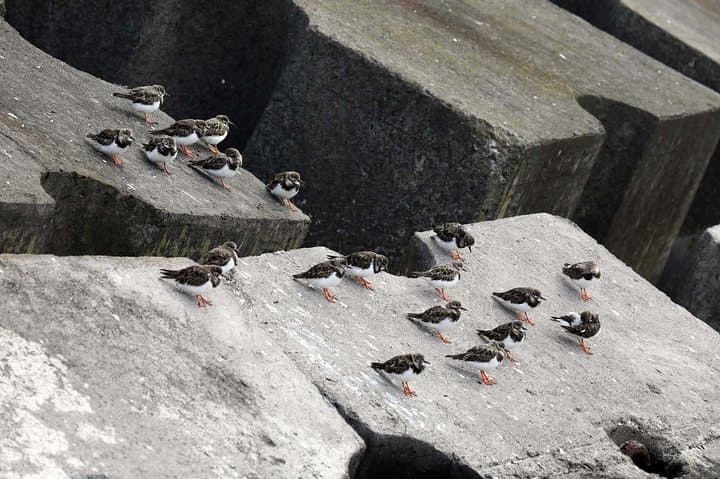
Expect to see Cory’s shearwater, Bulwer’s petrel, Madeiran and Wilson’s storm-petrels, terns and occasional gannets and skuas, especially in spring and autumn migration peaks. Observations are unpredictable; the guide’s role is to maximize sightings while minimizing disturbance.
Practical notes: meet at the Marina of Vila Franca do Campo (free parking), dress in layers and windproof gear, bring binoculars or use the provided Opticron 8x42s, secure cameras, and plan for light food and motion-sickness prevention. Tours return by mid-morning; note restrictions for pregnant travelers and those with spinal or serious heart conditions. The trip blends field science and fast-boat excitement — a compact, high-payoff marine wildlife experience on São Miguel.
easy.
3 hours.
Suitable for most fitness levels; able to get on/off a small RIB and stand/sit for short periods
Meet at the Marina of Vila Franca do Campo; free parking is available and the operator’s base is located by the yellow boats.
Guides target known colonies and migration routes but sightings aren’t guaranteed—spring and autumn have higher diversity and vagrant chances.
Children under 4 are not permitted; older children can join if they remain seated and supervised on the RIB.
Hotel pickup is not included by default but may be available on request—confirm with the operator when booking.
São Miguel’s coastline is shaped by Quaternary volcanism and centuries of small-scale fishing; local knowledge of currents still guides modern wildlife surveys.
Operators follow strict approach distances and data collection protocols to reduce disturbance; visitors should avoid flushing colonies and support local research efforts.
Azores Whale Watching TERRA AZUL operates guided outdoor trips and adventures with an emphasis on safety, stewardship, and memorable experiences.
You push off from Vila Franca do Campo’s marina as the island’s basalt cliffs slip astern and salt spray sharpens the air.
You push off from Vila Franca do Campo’s marina as the island’s basalt cliffs slip astern and salt spray sharpens the air.
Onboard a nimble Zodiac RIB with a biologist and experienced skipper, the next three hours are a scan of ocean and sky. Guides keep watch for coastal colonies around the islet of Vila Franca do Campo before punching offshore to intercept flocks and solitary petrels. Birds wheel and call; the sea pushes you forward while the guides record behavior and radio lookouts point toward the next pocket of life.
São Miguel is volcanic — tuff rings, lava beds and steep sea cliffs shape the local currents that attract prey and, in turn, seabirds. Fishing culture on the south coast still influences small harbors and the practical boat-handling skills you’ll see, while conservation efforts here balance tourism with fragile breeding sites.
Expect to see Cory’s shearwater, Bulwer’s petrel, Madeiran and Wilson’s storm-petrels, terns and occasional gannets and skuas, especially in spring and autumn migration peaks. Observations are unpredictable; the guide’s role is to maximize sightings while minimizing disturbance.
Practical notes: meet at the Marina of Vila Franca do Campo (free parking), dress in layers and windproof gear, bring binoculars or use the provided Opticron 8x42s, secure cameras, and plan for light food and motion-sickness prevention. Tours return by mid-morning; note restrictions for pregnant travelers and those with spinal or serious heart conditions. The trip blends field science and fast-boat excitement — a compact, high-payoff marine wildlife experience on São Miguel.