THE ADVENTURE COLLECTIVE® · Independent discovery and booking for outdoor travel

Put on a beekeeper suit and step into the busy world of Margaridas Apiary on São Miguel. Learn colony biology, watch hive inspections, and taste island honeys that reflect volcanic soils and coastal blooms.
Put on a beekeeper suit and step into the busy world of Margaridas Apiary on São Miguel. Learn colony biology, watch hive inspections, and taste island honeys that reflect volcanic soils and coastal blooms.
You step out onto old pasture turned wild garden as the sea-salt air of São Miguel slips through thick, café-colored hedgerows. Bees hum like an undercurrent; Carolina, the beekeeper, fits you into a protective suit and the world shrinks to the wooden hum of boxes and the scent of nectar.
Verified experiences and guided adventures in the surrounding area.
Operated by Apiário Margaridas · Lagoa, São Miguel
You step out onto old pasture turned wild garden as the sea-salt air of São Miguel slips through thick, café-colored hedgerows. Bees hum like an undercurrent; Carolina, the beekeeper, fits you into a protective suit and the world shrinks to the wooden hum of boxes and the scent of nectar.
The Azores have a long history of small-scale farming and selective planting of melliferous (nectar-producing) species; Lagoa’s volcanic soils and mild maritime climate produce a surprising range of wildflowers and shrubs that feed these hives. Geology here is young — basalt and tuff from past eruptions — and the porous ground supports the shrubs and heathers bees favor. Culturally, honey in the Azores is a local craft: families keep a few hives, and island honey features floral variety that changes with elevation and season.
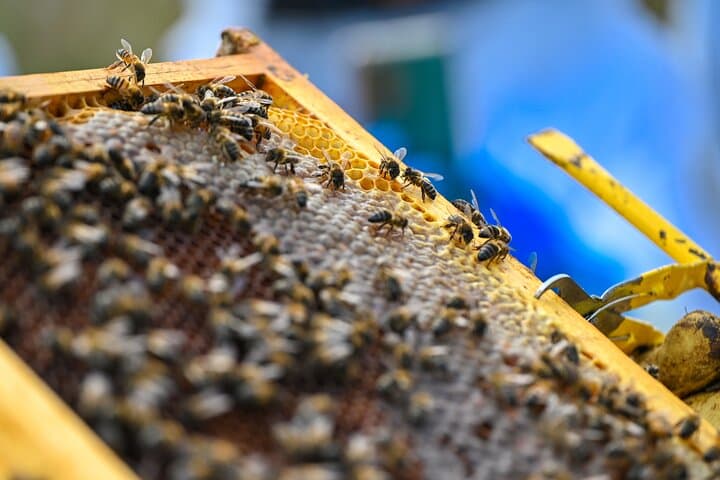
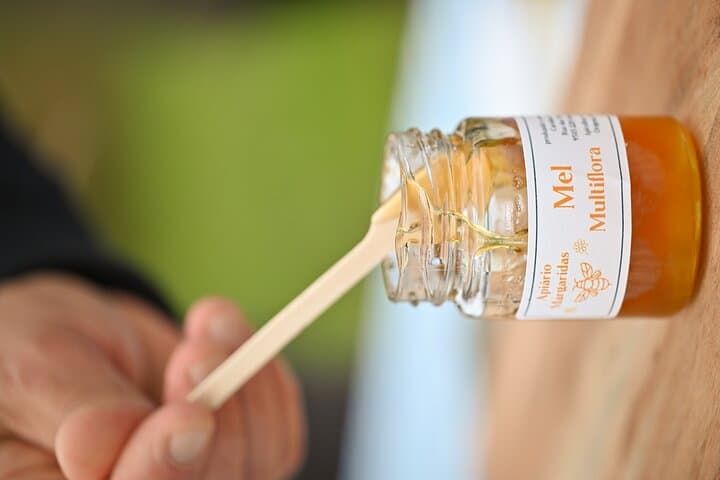
On the tour you’ll learn hive anatomy, colony roles, and safe handling; you may spot workers tending brood, drones on the periphery, or, with luck, the queen during a calm inspection. The tasting that closes the visit highlights floral differences — each jar carries a sense of place.
Practical guidance: wear long pants and closed-toe shoes; the host provides protective gear and a brief safety talk. Expect gentle walking on uneven pasture for about 90 minutes. Bring water, sun protection, and note that pregnant visitors are advised to sit this one out. Photography is fine if you move deliberately; avoid sudden movements near active frames. The experience is ideal for families, curious cooks, and anyone wanting a close look at pollinators that keep island ecosystems moving.
easy.
1.5 hours.
Suitable for most fitness levels; involves short walks on grass and standing during demonstrations
Yes — the apiculture provides protective gear and gives a safety briefing before approaching hives.
Yes — the experience is family-friendly but includes safety instructions; infants in strollers are accommodated, and supervision is required.
Yes — a guided tasting of several local honey varieties and a small snack are typically included at the end.
Not recommended — anyone with a history of severe allergic reactions should avoid close hive interactions and notify the host in advance.
Beekeeping on São Miguel grew alongside small-scale agriculture; local varieties of honey reflect centuries of island plantings and careful small-farm management.
The apiary emphasizes native melliferous species and low-impact management; supporting local honey producers helps sustain pollinator habitat and island biodiversity.
Apiário Margaridas operates guided outdoor trips and adventures with an emphasis on safety, stewardship, and memorable experiences.
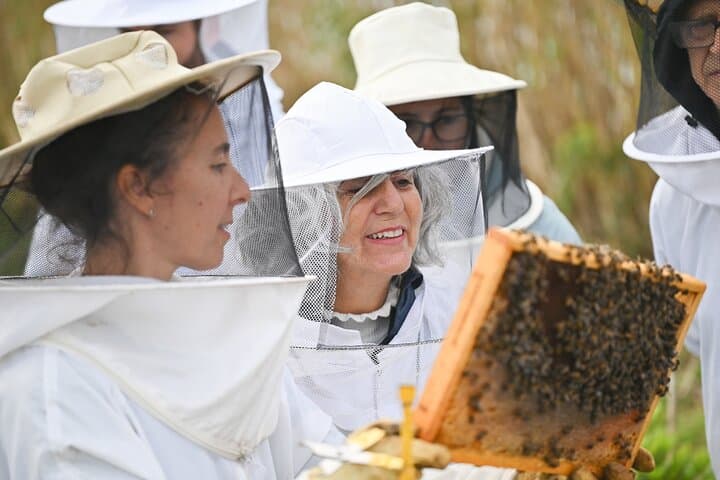
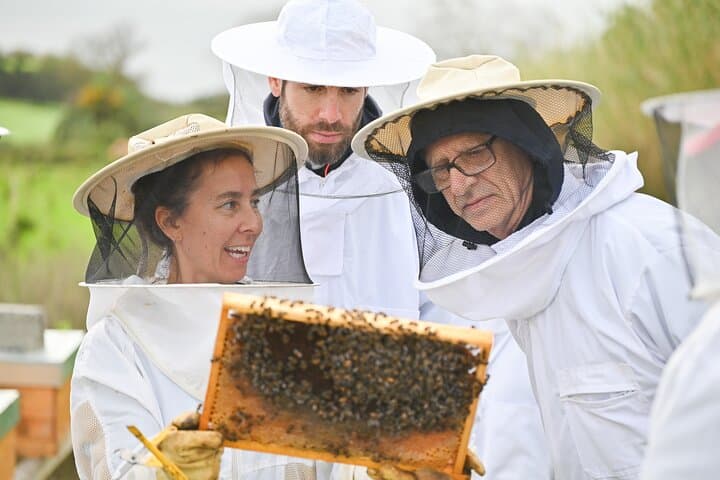
You step out onto old pasture turned wild garden as the sea-salt air of São Miguel slips through thick, café-colored hedgerows. Bees hum like an undercurrent; Carolina, the beekeeper, fits you into a protective suit and the world shrinks to the wooden hum of boxes and the scent of nectar.
You step out onto old pasture turned wild garden as the sea-salt air of São Miguel slips through thick, café-colored hedgerows. Bees hum like an undercurrent; Carolina, the beekeeper, fits you into a protective suit and the world shrinks to the wooden hum of boxes and the scent of nectar.
The Azores have a long history of small-scale farming and selective planting of melliferous (nectar-producing) species; Lagoa’s volcanic soils and mild maritime climate produce a surprising range of wildflowers and shrubs that feed these hives. Geology here is young — basalt and tuff from past eruptions — and the porous ground supports the shrubs and heathers bees favor. Culturally, honey in the Azores is a local craft: families keep a few hives, and island honey features floral variety that changes with elevation and season.
On the tour you’ll learn hive anatomy, colony roles, and safe handling; you may spot workers tending brood, drones on the periphery, or, with luck, the queen during a calm inspection. The tasting that closes the visit highlights floral differences — each jar carries a sense of place.
Practical guidance: wear long pants and closed-toe shoes; the host provides protective gear and a brief safety talk. Expect gentle walking on uneven pasture for about 90 minutes. Bring water, sun protection, and note that pregnant visitors are advised to sit this one out. Photography is fine if you move deliberately; avoid sudden movements near active frames. The experience is ideal for families, curious cooks, and anyone wanting a close look at pollinators that keep island ecosystems moving.