
Azerbaijan 4-Day Discovery: Baku, Gobustan, Yanardag & Ateshgah
A brisk 4-day route through Baku and its wild outskirts that pairs modern architecture with ancient rock art and naturally burning hills. Expect urban walking, short drives, and dramatic geology—Gobustan’s petroglyphs, mud volcanoes, Yanardag’s flames and the Ateshgah temple.
An Adventure In Baku.
A brisk 4-day route through Baku and its wild outskirts that pairs modern architecture with ancient rock art and naturally burning hills. Expect urban walking, short drives, and dramatic geology—Gobustan’s petroglyphs, mud volcanoes, Yanardag’s flames and the Ateshgah temple.
Read the full experience
You step off the van onto a wind-swept promontory above the Caspian and the city unfurls below—glass towers, mosques, and the pale arc of the boulevard where the sea meets the shore. The first morning in Baku moves at the polite, deliberate pace of a capital that remembers empires: a funicular ride down to the waterfront, coffee at a seaside kiosk, then into the Old City where alleys narrow and stone buildings keep their own calendar.
You step off the van onto a wind-swept promontory above the Caspian and the city unfurls below—glass towers, mosques, and the pale arc of the boulevard where the sea meets the shore. The first morning in Baku moves at the polite, deliberate pace of a capital that remembers empires: a funicular ride down to the waterfront, coffee at a seaside kiosk, then into the Old City where alleys narrow and stone buildings keep their own calendar.
This 3-night, 4-day loop stitches contemporary Baku to landscapes that predate modern borders. The Heydar Aliyev Center’s sinuous concrete contrasts with Gobustan’s craggy outcrops: petroglyphs carved in basalt that record hunting and ritual scenes going back millennia. Geologically, the region sits on active petroleum-bearing strata; mud volcanoes nearby bubble and spit mineral-rich slurry from subterranean gas pockets, while Yanardag’s hillside flames—streams of natural gas escaping porous sandstone—continue to burn without ceremony.
Culturally the tour is compact but dense: caravanserai courtyards in Icherisheher, the striped domes of the Shirvanshah complex, and the Ateshgah Fire Temple where Zoroastrian and South Asian influences meet around an eternal flame. Markets like Sharg Bazaar are where the country’s trade routes remain audible—spices, dried fruit, handwoven rugs, and bargaining in a mix of Azerbaijani, Russian, and the friendly insistence of local vendors.
Practically, this itinerary is best understood as urban walking plus short drives: expect 20–60 minute transfers inside the metropolitan area and up to 1–1.5 hours for the round trip to Gobustan and the mud volcano fields (roughly 65 km from central Baku). Terrain varies from flat, paved boulevards to cobblestone lanes and uneven rocky outcrops at Gobustan where short climbs of 30–100 m reward interpretation panels and panoramic views.
Time your photography for early light along the Seaside Boulevard and dusk at Yanardag when the flames cut a sharper silhouette. Footwear should balance city comfort with a grippy sole for rocky ground. Hydration and layered clothing are non-negotiable: coastal winds can be sharp in the morning and midday heat can spike in summer.
The tour pairs a compact cultural itinerary with clear logistics—hotel pickups, a 4-star base for three nights, and guided stops that emphasize context as much as spectacle. For travelers who want a concentrated introduction to Azerbaijan’s “Land of Fire,” it’s both a primer and a route to less-visited geological curiosities.
Frequently asked questions
Most intra-city transfers are 20–60 minutes; the full-day trip to Gobustan and mud volcanoes requires up to 1–1.5 hours each way from central Baku.
The itinerary indicates certain tickets (e.g., funicular) are included; confirm specific site admissions with the supplier before travel.
The program notes wheelchair accessibility for some areas, but older sites like Maiden Tower and rocky Gobustan have limited access—ask about specifics when booking.
Guides typically speak English and may offer Russian; check with the operator for availability of other languages.
Expect light to moderate walking—city promenades and Old City lanes with occasional short hikes (30–100 m elevation) at archaeological sites.
Breakfast is included each morning at the hotel; other meals are generally not included so plan for lunches and dinners at local restaurants.
About This Experience
AzExperience Travel and DMC Company operates guided outdoor trips and adventures with an emphasis on safety, stewardship, and memorable experiences.
Adventure tips
Recommended gear
- Sturdy daypack: Holds water, layers, camera, and snacks for daily excursions.
- Grippy walking shoes: Necessary for cobbles in the Old City and loose rock at Gobustan.
- Sun hat & sunscreen: Protects against strong coastal and inland sun exposure.
- Light rain shell or windbreaker: Useful for coastal winds and sudden showers, especially in spring and autumn.
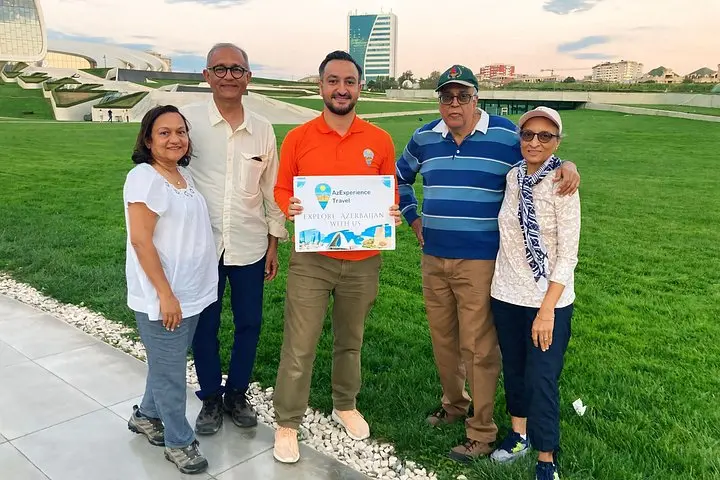
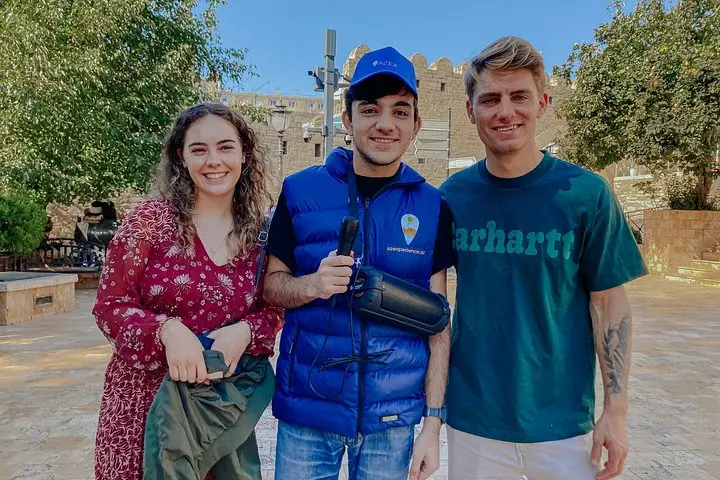
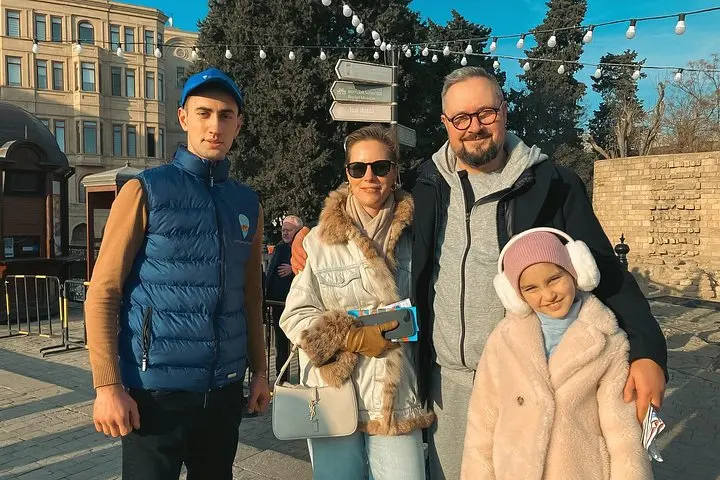
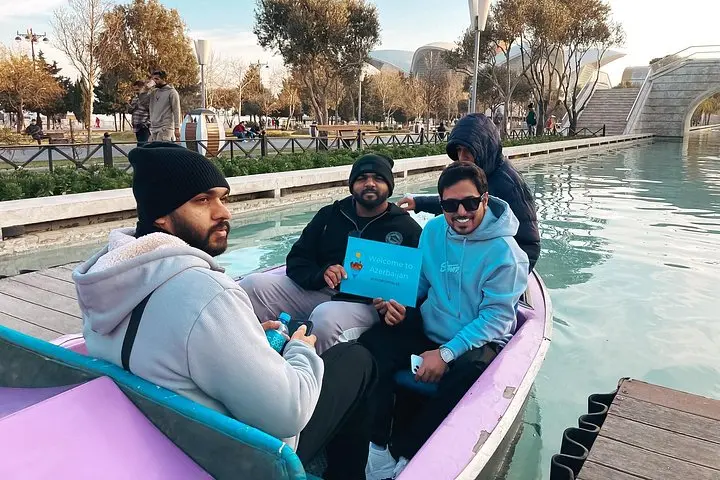
Photos of the experience
Related adventures & guides
Read the full experience
You step off the van onto a wind-swept promontory above the Caspian and the city unfurls below—glass towers, mosques, and the pale arc of the boulevard where the sea meets the shore. The first morning in Baku moves at the polite, deliberate pace of a capital that remembers empires: a funicular ride down to the waterfront, coffee at a seaside kiosk, then into the Old City where alleys narrow and stone buildings keep their own calendar.
You step off the van onto a wind-swept promontory above the Caspian and the city unfurls below—glass towers, mosques, and the pale arc of the boulevard where the sea meets the shore. The first morning in Baku moves at the polite, deliberate pace of a capital that remembers empires: a funicular ride down to the waterfront, coffee at a seaside kiosk, then into the Old City where alleys narrow and stone buildings keep their own calendar.
This 3-night, 4-day loop stitches contemporary Baku to landscapes that predate modern borders. The Heydar Aliyev Center’s sinuous concrete contrasts with Gobustan’s craggy outcrops: petroglyphs carved in basalt that record hunting and ritual scenes going back millennia. Geologically, the region sits on active petroleum-bearing strata; mud volcanoes nearby bubble and spit mineral-rich slurry from subterranean gas pockets, while Yanardag’s hillside flames—streams of natural gas escaping porous sandstone—continue to burn without ceremony.
Culturally the tour is compact but dense: caravanserai courtyards in Icherisheher, the striped domes of the Shirvanshah complex, and the Ateshgah Fire Temple where Zoroastrian and South Asian influences meet around an eternal flame. Markets like Sharg Bazaar are where the country’s trade routes remain audible—spices, dried fruit, handwoven rugs, and bargaining in a mix of Azerbaijani, Russian, and the friendly insistence of local vendors.
Practically, this itinerary is best understood as urban walking plus short drives: expect 20–60 minute transfers inside the metropolitan area and up to 1–1.5 hours for the round trip to Gobustan and the mud volcano fields (roughly 65 km from central Baku). Terrain varies from flat, paved boulevards to cobblestone lanes and uneven rocky outcrops at Gobustan where short climbs of 30–100 m reward interpretation panels and panoramic views.
Time your photography for early light along the Seaside Boulevard and dusk at Yanardag when the flames cut a sharper silhouette. Footwear should balance city comfort with a grippy sole for rocky ground. Hydration and layered clothing are non-negotiable: coastal winds can be sharp in the morning and midday heat can spike in summer.
The tour pairs a compact cultural itinerary with clear logistics—hotel pickups, a 4-star base for three nights, and guided stops that emphasize context as much as spectacle. For travelers who want a concentrated introduction to Azerbaijan’s “Land of Fire,” it’s both a primer and a route to less-visited geological curiosities.
Make a day of it nearby.
Verified experiences and guided adventures in the surrounding area.