THE ADVENTURE COLLECTIVE® · Independent discovery and booking for outdoor travel

A full-day guided tour from Bangkok that visits Ayutthaya’s UNESCO-listed ruins, Bang Pa‑In Summer Palace and major temples with buffet lunch and round‑trip transfers. Expect guided walks on uneven temple grounds, riverside views, and hands-on history.
A full-day guided tour from Bangkok that visits Ayutthaya’s UNESCO-listed ruins, Bang Pa‑In Summer Palace and major temples with buffet lunch and round‑trip transfers. Expect guided walks on uneven temple grounds, riverside views, and hands-on history.
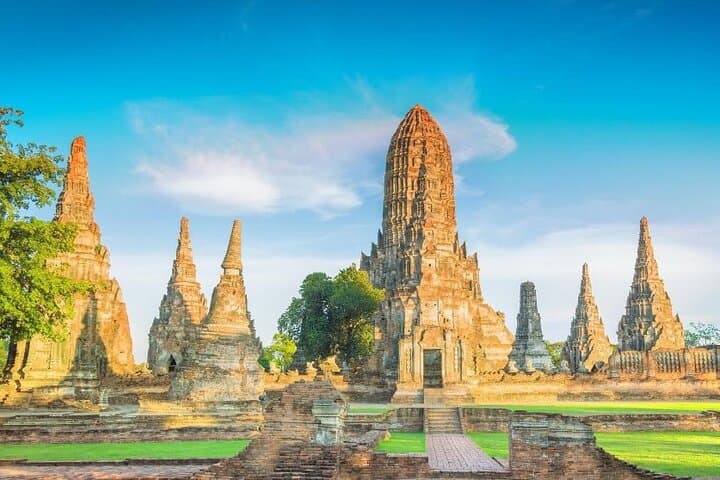
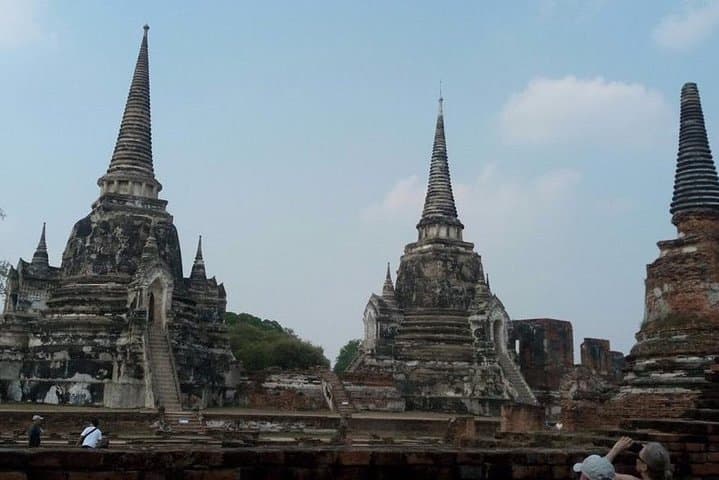
You step off an air‑conditioned coach into a lighter, dusted heat; the Chao Phraya meanders nearby, daring you to follow its old river-swept routes. Stone prangs and crumbling chedis rise ahead—rooflines of a once-powerful capital—while a guide unfolds stories of kings, conquest, and devotion.
Verified experiences and guided adventures in the surrounding area.
Operated by I Asia Thailand · Ayutthaya, Phra Nakhon Si Ayutthaya
You step off an air‑conditioned coach into a lighter, dusted heat; the Chao Phraya meanders nearby, daring you to follow its old river-swept routes. Stone prangs and crumbling chedis rise ahead—rooflines of a once-powerful capital—while a guide unfolds stories of kings, conquest, and devotion.
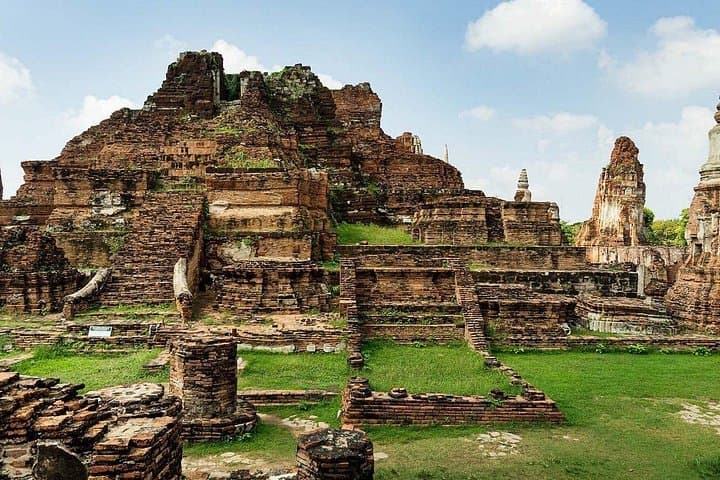
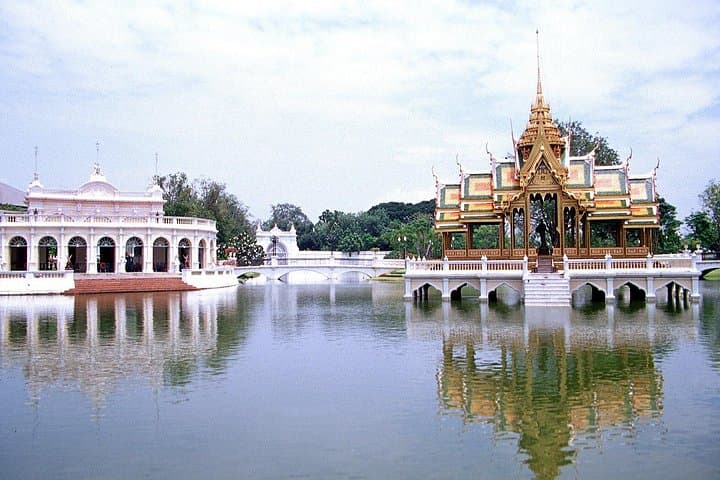
Ayutthaya was Siam’s capital from the 14th to 18th centuries and its ruins now form a UNESCO World Heritage Site. The city’s brick-and-laterite temples show Khmer and Sri Lankan influences, and the Bang Pa-In summer palace adds a later royal layer with European‑style pavilions. Geologically the plain is alluvial: low, flat, and shaped by seasonal floods that both nourished and exposed ancient foundations. Local life still orbits the river—markets, monks, and long‑tailed macaques sharing temple grounds—so cultural etiquette (modest dress, quiet reverence) matters as much as chronology.
Practically, expect a full day: hotel pickup in Bangkok, a morning stop at Bang Pa‑In, several temple visits including Wat Mahathat and Wat Phra Si Sanphet, a riverside lunch, and return by evening. Walks are short but on uneven stone and packed dirt; shade is limited. Bring a refillable water bottle, sun protection, and clothing that covers shoulders and knees for shrine entry. Photography is widely allowed but be mindful of worshippers and no footwear inside certain ordination halls.
This tour is an accessible cultural immersion—perfect for travelers who want efficient logistics paired with on-site interpretation—and it’s one of the clearest ways to understand how Thailand’s riverine landscape shaped a capital and its fall.
easy.
8 hours.
Light walking ability; participants should be able to stand and walk short distances on uneven surfaces.
Yes—air‑conditioned coach pickup and return from central Bangkok hotels is included; you’ll confirm a pickup point when booking.
The listed tour includes admission to the main sites on the itinerary; check your voucher for specific sites covered.
Shoulders and knees must be covered; no see‑through, sleeveless or revealing clothing; remove shoes where signs indicate.
The tour is family-friendly but involves short walks on uneven ground; wheelchair access is limited at many ruins—contact the operator about specific assistance.
Ayutthaya was the Siamese capital from roughly 1350 until its 1767 sack; surviving temples show influences from Khmer architecture and later Ayutthayan royal styles.
Heavy tourism and seasonal flooding stress fragile brickwork—respect signs, don’t climb ruins, and minimize single‑use plastics to reduce impact.
I Asia Thailand operates guided outdoor trips and adventures with an emphasis on safety, stewardship, and memorable experiences.
You step off an air‑conditioned coach into a lighter, dusted heat; the Chao Phraya meanders nearby, daring you to follow its old river-swept routes. Stone prangs and crumbling chedis rise ahead—rooflines of a once-powerful capital—while a guide unfolds stories of kings, conquest, and devotion.
You step off an air‑conditioned coach into a lighter, dusted heat; the Chao Phraya meanders nearby, daring you to follow its old river-swept routes. Stone prangs and crumbling chedis rise ahead—rooflines of a once-powerful capital—while a guide unfolds stories of kings, conquest, and devotion.
Ayutthaya was Siam’s capital from the 14th to 18th centuries and its ruins now form a UNESCO World Heritage Site. The city’s brick-and-laterite temples show Khmer and Sri Lankan influences, and the Bang Pa-In summer palace adds a later royal layer with European‑style pavilions. Geologically the plain is alluvial: low, flat, and shaped by seasonal floods that both nourished and exposed ancient foundations. Local life still orbits the river—markets, monks, and long‑tailed macaques sharing temple grounds—so cultural etiquette (modest dress, quiet reverence) matters as much as chronology.
Practically, expect a full day: hotel pickup in Bangkok, a morning stop at Bang Pa‑In, several temple visits including Wat Mahathat and Wat Phra Si Sanphet, a riverside lunch, and return by evening. Walks are short but on uneven stone and packed dirt; shade is limited. Bring a refillable water bottle, sun protection, and clothing that covers shoulders and knees for shrine entry. Photography is widely allowed but be mindful of worshippers and no footwear inside certain ordination halls.
This tour is an accessible cultural immersion—perfect for travelers who want efficient logistics paired with on-site interpretation—and it’s one of the clearest ways to understand how Thailand’s riverine landscape shaped a capital and its fall.