THE ADVENTURE COLLECTIVE® · Independent discovery and booking for outdoor travel

Combine a two‑hour ATV ride through Ayutthaya’s countryside with tuk‑tuk temple visits, a floating market boat cruise and an elephant‑village stop. This full‑day tour pairs active exploration with cultural landmarks around Thailand’s former capital.
Combine a two‑hour ATV ride through Ayutthaya’s countryside with tuk‑tuk temple visits, a floating market boat cruise and an elephant‑village stop. This full‑day tour pairs active exploration with cultural landmarks around Thailand’s former capital.
Dust kicks up as the tuk‑tuk eases away from the hotel and the river flats of Ayutthaya open out—rice paddies, low chedis, and the distant silhouette of prangs. The day moves between two gears: the steady, intimate pace of temple courtyards and a louder, wetter rhythm at the floating market, with a two‑hour ATV section that pushes into rural tracks where the countryside smells of earth and jasmine.
Verified experiences and guided adventures in the surrounding area.
Operated by Sightseeing Chiang Mai · Ayutthaya, Phra Nakhon Si Ayutthaya Province
Dust kicks up as the tuk‑tuk eases away from the hotel and the river flats of Ayutthaya open out—rice paddies, low chedis, and the distant silhouette of prangs. The day moves between two gears: the steady, intimate pace of temple courtyards and a louder, wetter rhythm at the floating market, with a two‑hour ATV section that pushes into rural tracks where the countryside smells of earth and jasmine.
Once the capital of a powerful Siamese kingdom (founded in the 14th century), Ayutthaya sits where the Chao Phraya, Lopburi and Pa Sak rivers braid the plain; that riverine geology fed the city’s wealth and now feeds markets and mango trees. Buddhist monuments like Wat Mahathat and Wat Chaiwatthanaram show Khmer and Ayutthayan masonry—brick prangs, stucco reliefs—while Wat Yai Chai Mongkhon’s tall chedi marks historic victories and offers views across the floodplain.
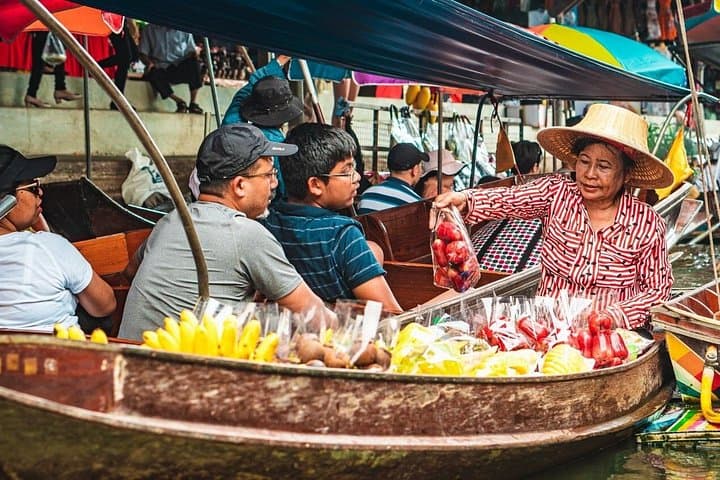
Culturally, visitors should dress and move with respect: shoulders and knees covered in temple areas, quiet voices, and no climbing on fragile ruins. The floating market is practical—bring cash and a readiness to haggle; the boats sell grilled fish, coconut pancakes and handcrafted goods.
Practically, expect a full 7–8 hour day with hotel pickup by tuk‑tuk, a 2‑hour guided ATV loop that visits smaller temples, an elephant‑village encounter (observe handling practices and opt for observation over rides if concerned), and a short boat cruise through the floating market.
Bring closed‑toe shoes for the ATV, sun protection, mosquitoes repellent, and a small dry bag for market purchases. Start early to avoid midday heat and enjoy softer light for photography.
moderate.
7–8 hours.
Moderate fitness: able to ride an ATV for 2 hours, walk on uneven temple grounds and tolerate heat.
The tour includes access to an elephant village; travelers should ask guides about the facility’s care standards and prefer observation, feeding or bathing programs run under veterinary oversight rather than riding.
No prior experience is necessary—guides provide a brief safety orientation, but riders should be comfortable on uneven terrain and following instructions.
The 7–8 hour itinerary typically covers hotel pickup by tuk‑tuk, the elephant village visit, a 2‑hour ATV loop with temple stops, a floating market boat cruise, and return to your hotel.
Children can participate but policies vary—infants must sit on laps for transfers; the ATV provider may have age, height or weight restrictions, so check when booking.
Ayutthaya was established in 1350 and grew into a prosperous capital before 18th‑century Burmese invasions left many temples in partial ruin, creating the evocative sites visitors see today.
Choose operators that emphasize humane elephant care and avoid facilities that habitually use chains or force; reduce single‑use plastics at the floating market by bringing a reusable bag.
Sightseeing Chiang Mai operates guided outdoor trips and adventures with an emphasis on safety, stewardship, and memorable experiences.



Dust kicks up as the tuk‑tuk eases away from the hotel and the river flats of Ayutthaya open out—rice paddies, low chedis, and the distant silhouette of prangs. The day moves between two gears: the steady, intimate pace of temple courtyards and a louder, wetter rhythm at the floating market, with a two‑hour ATV section that pushes into rural tracks where the countryside smells of earth and jasmine.
Dust kicks up as the tuk‑tuk eases away from the hotel and the river flats of Ayutthaya open out—rice paddies, low chedis, and the distant silhouette of prangs. The day moves between two gears: the steady, intimate pace of temple courtyards and a louder, wetter rhythm at the floating market, with a two‑hour ATV section that pushes into rural tracks where the countryside smells of earth and jasmine.
Once the capital of a powerful Siamese kingdom (founded in the 14th century), Ayutthaya sits where the Chao Phraya, Lopburi and Pa Sak rivers braid the plain; that riverine geology fed the city’s wealth and now feeds markets and mango trees. Buddhist monuments like Wat Mahathat and Wat Chaiwatthanaram show Khmer and Ayutthayan masonry—brick prangs, stucco reliefs—while Wat Yai Chai Mongkhon’s tall chedi marks historic victories and offers views across the floodplain.
Culturally, visitors should dress and move with respect: shoulders and knees covered in temple areas, quiet voices, and no climbing on fragile ruins. The floating market is practical—bring cash and a readiness to haggle; the boats sell grilled fish, coconut pancakes and handcrafted goods.
Practically, expect a full 7–8 hour day with hotel pickup by tuk‑tuk, a 2‑hour guided ATV loop that visits smaller temples, an elephant‑village encounter (observe handling practices and opt for observation over rides if concerned), and a short boat cruise through the floating market.
Bring closed‑toe shoes for the ATV, sun protection, mosquitoes repellent, and a small dry bag for market purchases. Start early to avoid midday heat and enjoy softer light for photography.