THE ADVENTURE COLLECTIVE® · Independent discovery and booking for outdoor travel

Take an accessible whitewater run through Bali's Ayung River gorge—Class II–III rapids, expert-guided, and door-to-door transfers from Ubud. This concise guide covers what to expect, seasonal changes, and practical prep tips.
Take an accessible whitewater run through Bali's Ayung River gorge—Class II–III rapids, expert-guided, and door-to-door transfers from Ubud. This concise guide covers what to expect, seasonal changes, and practical prep tips.
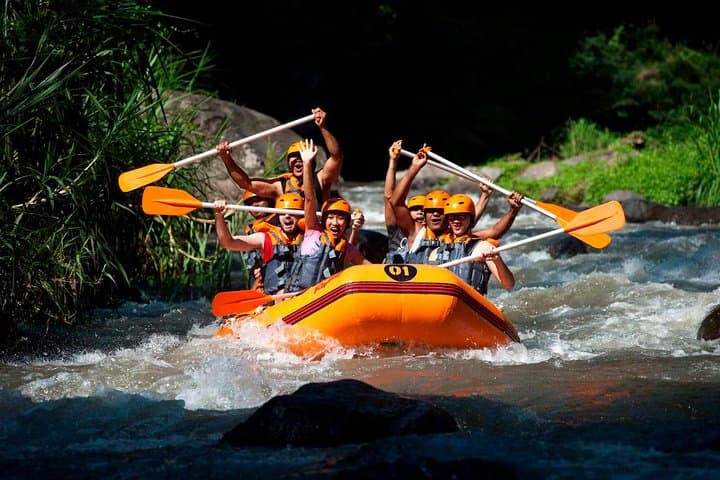
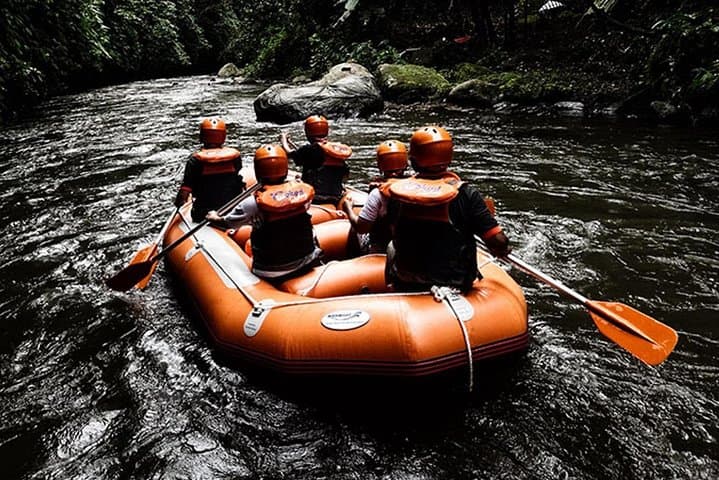
You push off from a low wooden dock and the Ayung River immediately sets the tempo—slow eddies that test your rhythm, then a playful surge that leans the raft into first real drops. Green cliffs close in, palms and lianas brushing the canyon air; local village temples peek from terraces above. The river speaks in runs and pools, daring you to match its pace.
Verified experiences and guided adventures in the surrounding area.
Operated by Wandernesia · Ubud, Bali
You push off from a low wooden dock and the Ayung River immediately sets the tempo—slow eddies that test your rhythm, then a playful surge that leans the raft into first real drops. Green cliffs close in, palms and lianas brushing the canyon air; local village temples peek from terraces above. The river speaks in runs and pools, daring you to match its pace.
Formed by Bali's volcanic highlands, the Ayung has sliced a narrow gorge through ash-rich soils and coral-limestone outcrops, producing a mix of calm flats and choppy rapids. The waterway is woven into Balinese life: irrigation channels and small shrines at bendouts remind paddlers of the island's subak heritage and Hindu offerings left at riverside stones.
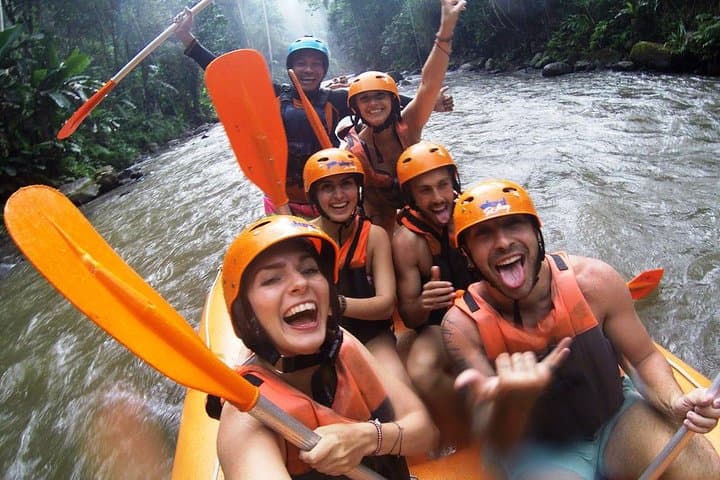
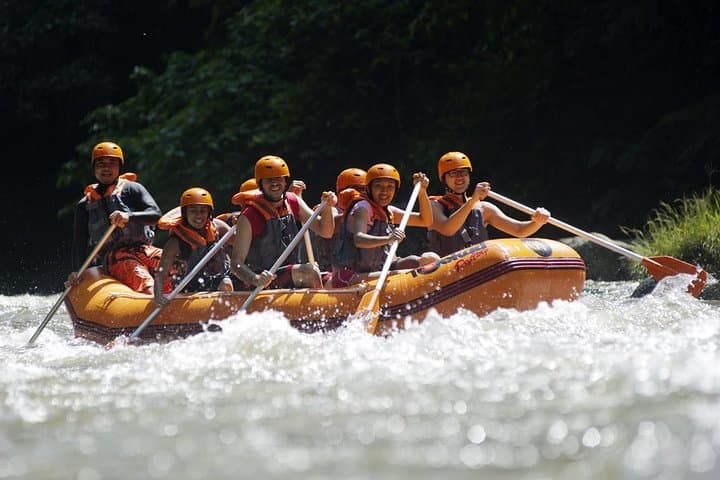
This stretch typically runs Class II–III — ideal for first-timers and families — but seasonal rains can push sections toward Class IV, so guides brief groups on technique and safety. Trips commonly include transfers from Ubud, trained guides, safety gear, and a riverside lunch; some operators photograph highlights for purchase.
Practical tips: choose a morning run to avoid afternoon tropical storms, wear quick-dry layers and secure shoes with straps, and stow electronics in a dry bag or leave them behind. Expect about 2–3 hours on-site, with actual river time shorter; physical demands are moderate: basic paddling and the ability to swim if you fall out are required. Hydrate before and after, listen to your guide, and respect local culture by leaving no trace—trash and offerings both belong off the river.
moderate.
2–3 hours.
Moderate cardiovascular fitness and the ability to paddle intermittently; comfortable swimming recommended.
Total on-site time is usually 2–3 hours; river time varies but commonly spans 45–90 minutes depending on river flow and operator.
No—this section is suitable for beginners, but travelers should have a moderate fitness level and be able to follow guide commands.
Most tours include transfer from Ubud and nearby areas; pickup times are provided the day before to coordinate routes.
Children are often allowed but age minimums vary by operator—confirm policy at booking and ensure lifejackets fit properly.
The Ayung has long supported local rice irrigation and village life; riverside shrines and small temples mark its cultural importance in Balinese Hindu practice.
Rafting operators and local communities emphasize leave-no-trace practices; avoid tossing plastic or offerings into the river and follow guide instructions to minimize impact.
Wandernesia operates guided outdoor trips and adventures with an emphasis on safety, stewardship, and memorable experiences.
You push off from a low wooden dock and the Ayung River immediately sets the tempo—slow eddies that test your rhythm, then a playful surge that leans the raft into first real drops. Green cliffs close in, palms and lianas brushing the canyon air; local village temples peek from terraces above. The river speaks in runs and pools, daring you to match its pace.
You push off from a low wooden dock and the Ayung River immediately sets the tempo—slow eddies that test your rhythm, then a playful surge that leans the raft into first real drops. Green cliffs close in, palms and lianas brushing the canyon air; local village temples peek from terraces above. The river speaks in runs and pools, daring you to match its pace.
Formed by Bali's volcanic highlands, the Ayung has sliced a narrow gorge through ash-rich soils and coral-limestone outcrops, producing a mix of calm flats and choppy rapids. The waterway is woven into Balinese life: irrigation channels and small shrines at bendouts remind paddlers of the island's subak heritage and Hindu offerings left at riverside stones.
This stretch typically runs Class II–III — ideal for first-timers and families — but seasonal rains can push sections toward Class IV, so guides brief groups on technique and safety. Trips commonly include transfers from Ubud, trained guides, safety gear, and a riverside lunch; some operators photograph highlights for purchase.
Practical tips: choose a morning run to avoid afternoon tropical storms, wear quick-dry layers and secure shoes with straps, and stow electronics in a dry bag or leave them behind. Expect about 2–3 hours on-site, with actual river time shorter; physical demands are moderate: basic paddling and the ability to swim if you fall out are required. Hydrate before and after, listen to your guide, and respect local culture by leaving no trace—trash and offerings both belong off the river.