THE ADVENTURE COLLECTIVE® · Independent discovery and booking for outdoor travel

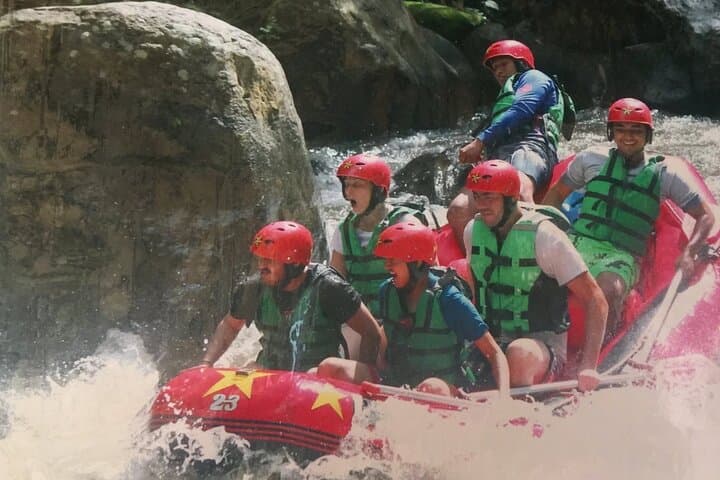
Float into the wild side of Ubud on a 10-kilometer Ayung River rafting trip that mixes class II–III rapids, jungle swims and a hidden waterfall. Guided runs include safety gear, lunch and the chance to see riverside temples and wildlife.
Float into the wild side of Ubud on a 10-kilometer Ayung River rafting trip that mixes class II–III rapids, jungle swims and a hidden waterfall. Guided runs include safety gear, lunch and the chance to see riverside temples and wildlife.
The first paddle stroke slips the raft into cool, clear water and Ubud’s jungle closes around you—mangroves and ferns brushing the current as stone walls and carved riverbanks flicker by.
Verified experiences and guided adventures in the surrounding area.
Operated by Gooday Bali Tour and Travel · Ubud, Bali
The first paddle stroke slips the raft into cool, clear water and Ubud’s jungle closes around you—mangroves and ferns brushing the current as stone walls and carved riverbanks flicker by.
This 10-kilometer Ayung River route unfolds over roughly 2–2.5 hours of downstream rapids and calmer stretches where guides pause and invite a swim beneath a tucked-away waterfall. Geologically the river has carved its channel through ancestral volcanic soils and river-borne boulders, creating stepped rapids that alternate with deep pools. Culturally, the Ayung has long supported Bali’s subak irrigation systems and the riverside temples and offerings still mark its banks; modern rafting emerged here as a way to read the island from water level—agricultural terraces giving way to jungle and occasional stone reliefs.
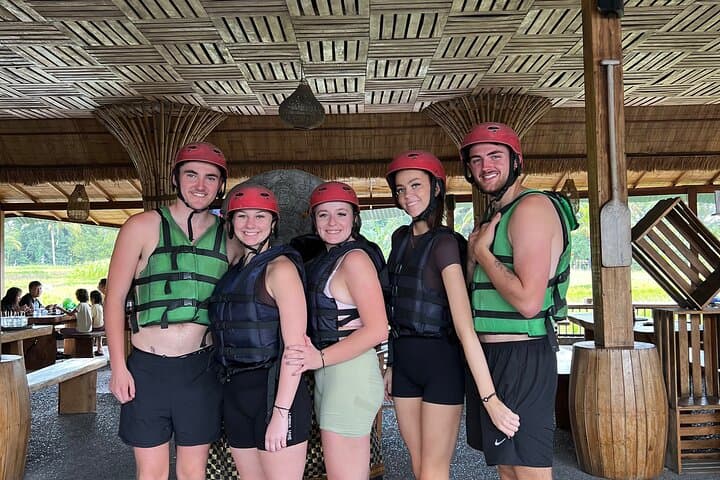
Expect a guided, group-run operation with safety briefings, lifejackets and paddles handled under direction. Lunch is typically a buffet at the base, towels and bottled water are provided, and some packages include private transfer. Guides will point out wildlife—kingfishers and monitor lizards—and the occasional macaque near river edges.
Practical notes: arrive with quick-dry layers and secure footwear, stow valuables in a dry bag or locker, and plan morning launches to avoid midday heat. Those with heart or spinal conditions, and pregnant travelers, should avoid this activity. Operators in the area emphasize low-impact practices—carry out trash, use reef-safe sunscreen, and follow guide instructions to keep the river and its small ecosystems healthy. For travelers who want adrenaline without technical climbing, Ayung rafting is a straightforward way to feel Bali’s landscape in motion.
moderate.
2–3 hours.
Moderate fitness: able to paddle and sit for extended periods; must manage short swims or stepping on slippery banks.
Yes—most operators run guided trips suitable for first-timers with safety briefings and lifejackets; rapids are generally class II–III and guides manage steering and commands.
Typical inclusions are guide, lifejackets, bottled water, towel, buffet lunch, and often lockers; private transport may be an add-on depending on booking options.
Yes—guides usually stop at calm pools or below small waterfalls for supervised swims; follow the guide’s instructions about when and where it’s safe to enter the water.
Operators commonly recommend moderate fitness; the activity is not advised for pregnant travelers or those with serious heart, spinal, or mobility issues—check specific provider restrictions before booking.
The Ayung has long fed Bali’s subak irrigation and supported riverside temples; rafting tourism developed in the late 20th century as an alternative way to experience Ubud’s landscape.
Choose operators that limit group sizes, avoid single-use plastics, and advise reef-safe sunscreen to reduce downstream impacts on aquatic life.
Gooday Bali Tour and Travel operates guided outdoor trips and adventures with an emphasis on safety, stewardship, and memorable experiences.
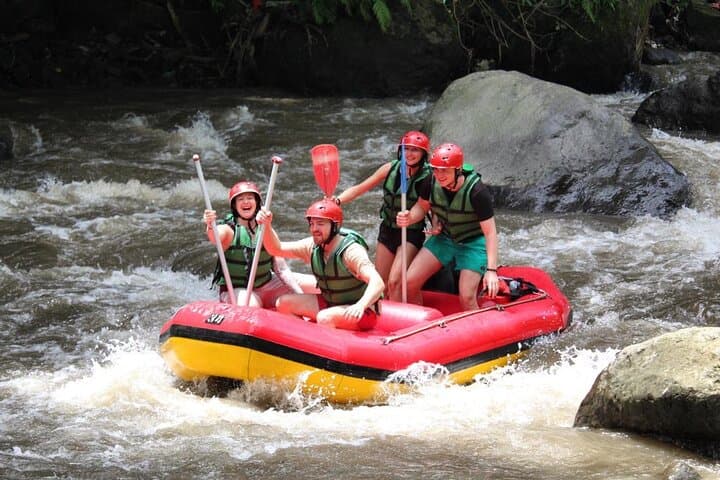
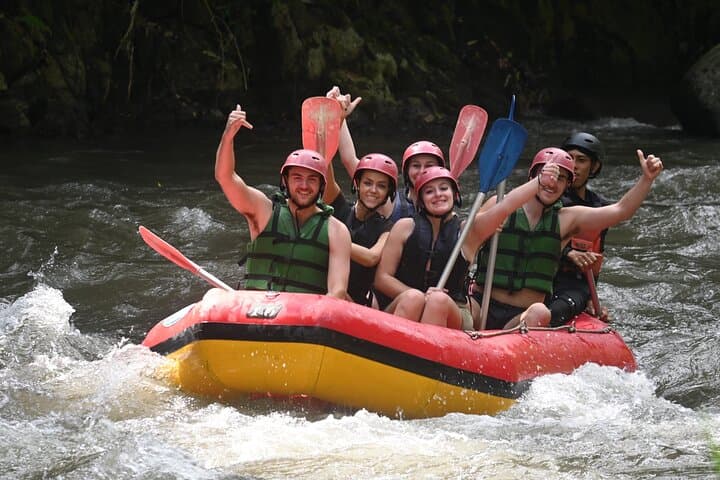
The first paddle stroke slips the raft into cool, clear water and Ubud’s jungle closes around you—mangroves and ferns brushing the current as stone walls and carved riverbanks flicker by.
The first paddle stroke slips the raft into cool, clear water and Ubud’s jungle closes around you—mangroves and ferns brushing the current as stone walls and carved riverbanks flicker by.
This 10-kilometer Ayung River route unfolds over roughly 2–2.5 hours of downstream rapids and calmer stretches where guides pause and invite a swim beneath a tucked-away waterfall. Geologically the river has carved its channel through ancestral volcanic soils and river-borne boulders, creating stepped rapids that alternate with deep pools. Culturally, the Ayung has long supported Bali’s subak irrigation systems and the riverside temples and offerings still mark its banks; modern rafting emerged here as a way to read the island from water level—agricultural terraces giving way to jungle and occasional stone reliefs.
Expect a guided, group-run operation with safety briefings, lifejackets and paddles handled under direction. Lunch is typically a buffet at the base, towels and bottled water are provided, and some packages include private transfer. Guides will point out wildlife—kingfishers and monitor lizards—and the occasional macaque near river edges.
Practical notes: arrive with quick-dry layers and secure footwear, stow valuables in a dry bag or locker, and plan morning launches to avoid midday heat. Those with heart or spinal conditions, and pregnant travelers, should avoid this activity. Operators in the area emphasize low-impact practices—carry out trash, use reef-safe sunscreen, and follow guide instructions to keep the river and its small ecosystems healthy. For travelers who want adrenaline without technical climbing, Ayung rafting is a straightforward way to feel Bali’s landscape in motion.