THE ADVENTURE COLLECTIVE® · Independent discovery and booking for outdoor travel

Drop into the Ayung River for a 10 km run through Ubud’s green gorges—2–2.5 hours of Class II–III rapids, cultural riverside views, and a hidden waterfall finish. Learn what to expect and how to prepare for Bali’s classic rafting trip.
Drop into the Ayung River for a 10 km run through Ubud’s green gorges—2–2.5 hours of Class II–III rapids, cultural riverside views, and a hidden waterfall finish. Learn what to expect and how to prepare for Bali’s classic rafting trip.
The raft drops into a green corridor where the Ayung River narrows and the forest leans close enough to skim your fingertips. Cold spray and the quick rhythm of paddles set the pace as guides call each rapid by name — Ya-hoo Wall, Banger Big Ride, Drop Bull Ride — and the current dares you forward.
Verified experiences and guided adventures in the surrounding area.
Operated by Balisee Tour by Momentrips · Ubud, Bali
The raft drops into a green corridor where the Ayung River narrows and the forest leans close enough to skim your fingertips. Cold spray and the quick rhythm of paddles set the pace as guides call each rapid by name — Ya-hoo Wall, Banger Big Ride, Drop Bull Ride — and the current dares you forward.
The Ayung has shaped Ubud for centuries: volcanic highland run-off carving gorges through basalt and river rock, feeding irrigation channels that support nearby rice terraces. Local culture threads the riverbank—small shrines, offering platforms, and the occasional temple perched above a bend—so the trip is as much a cultural passage as a whitewater run.
Expect roughly 10 km of river with about 2–2.5 hours on the water for the rapid section; total door-to-door time with transfers, prep, locker use and lunch runs 3–6 hours. Terrain alternates between flat pools and Class II–III rapids suitable for first-timers guided by experienced rafters. Wildlife slips by—kingfishers flash, long‑tailed macaques watch from trees—while guides explain local hydrology and conservation efforts.
Practicalities: arrive with a swim layer and secure footwear, use provided lifejackets and helmets, and bring a small dry bag or phone case for photos. Morning runs are cooler and quieter; late-afternoon trips can pick up wind and light. Operators typically include hotel transfer, safety briefings, all equipment and a buffet lunch. For travelers with heart conditions or pregnancy, avoid the activity; otherwise, it’s an accessible, memorable way to experience Bali’s river country.
moderate.
3–6 hours.
Moderate — comfortable sitting, intermittent paddling and basic core strength helpful
The active rafting run is about 10 km and typically takes 2–2.5 hours; total tour time including transfers and lunch is usually 3–6 hours.
Yes — trips are run by trained guides, use lifejackets and helmets, and are rated mainly Class II–III, suitable for beginners in good health.
Most operators include hotel transfers, safety gear, a safety briefing, lockers, and a buffet lunch; check your operator’s confirmation for specifics.
Children are usually allowed but policies vary; the activity is not recommended for people with serious heart conditions, recent surgeries, or pregnancy.
The Ayung River has long fed local irrigation and supported communities around Ubud, its gorge cutting through volcanic highland rock and shaping settlement patterns.
River health is sensitive to upstream runoff and tourism; choose operators that follow waste management practices and support local clean-up efforts.
Balisee Tour by Momentrips operates guided outdoor trips and adventures with an emphasis on safety, stewardship, and memorable experiences.
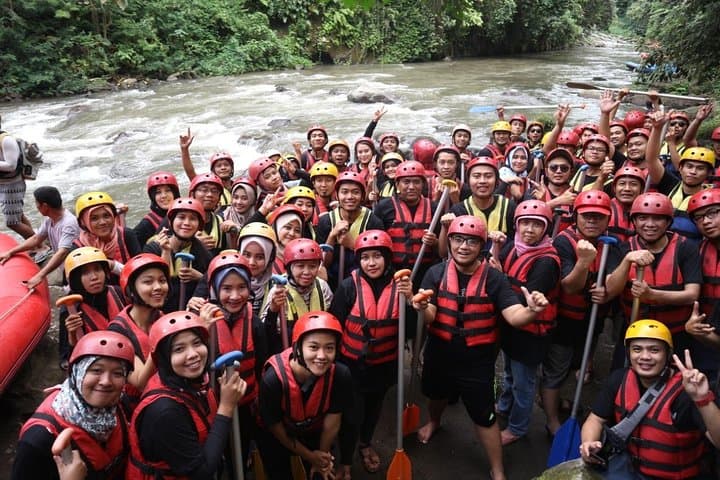
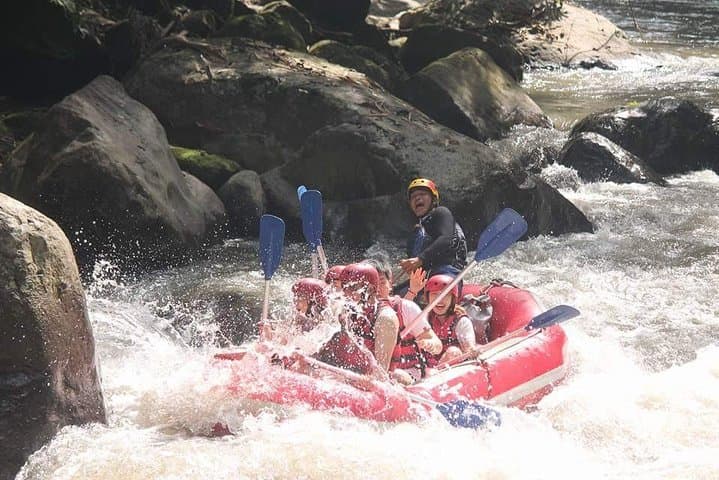
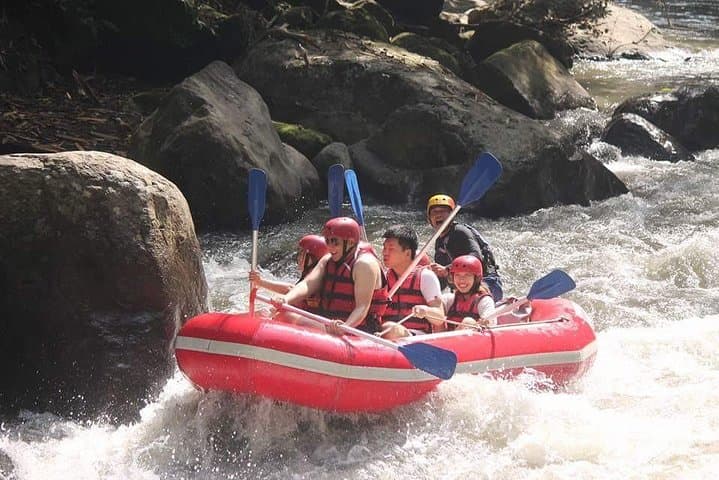
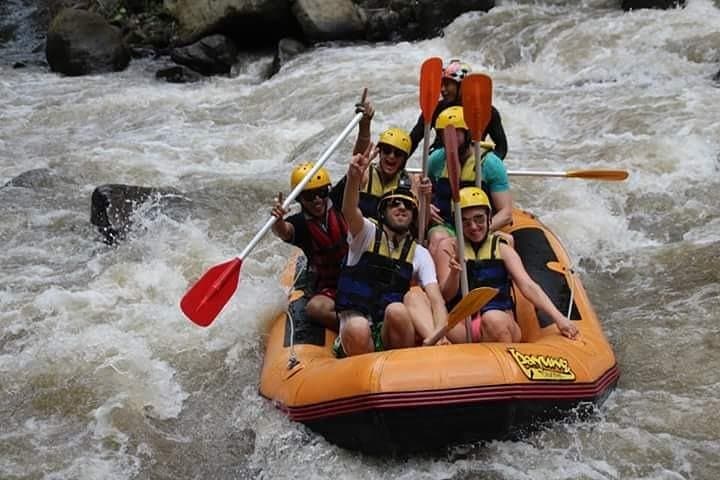
The raft drops into a green corridor where the Ayung River narrows and the forest leans close enough to skim your fingertips. Cold spray and the quick rhythm of paddles set the pace as guides call each rapid by name — Ya-hoo Wall, Banger Big Ride, Drop Bull Ride — and the current dares you forward.
The raft drops into a green corridor where the Ayung River narrows and the forest leans close enough to skim your fingertips. Cold spray and the quick rhythm of paddles set the pace as guides call each rapid by name — Ya-hoo Wall, Banger Big Ride, Drop Bull Ride — and the current dares you forward.
The Ayung has shaped Ubud for centuries: volcanic highland run-off carving gorges through basalt and river rock, feeding irrigation channels that support nearby rice terraces. Local culture threads the riverbank—small shrines, offering platforms, and the occasional temple perched above a bend—so the trip is as much a cultural passage as a whitewater run.
Expect roughly 10 km of river with about 2–2.5 hours on the water for the rapid section; total door-to-door time with transfers, prep, locker use and lunch runs 3–6 hours. Terrain alternates between flat pools and Class II–III rapids suitable for first-timers guided by experienced rafters. Wildlife slips by—kingfishers flash, long‑tailed macaques watch from trees—while guides explain local hydrology and conservation efforts.
Practicalities: arrive with a swim layer and secure footwear, use provided lifejackets and helmets, and bring a small dry bag or phone case for photos. Morning runs are cooler and quieter; late-afternoon trips can pick up wind and light. Operators typically include hotel transfer, safety briefings, all equipment and a buffet lunch. For travelers with heart conditions or pregnancy, avoid the activity; otherwise, it’s an accessible, memorable way to experience Bali’s river country.