THE ADVENTURE COLLECTIVE® · Independent discovery and booking for outdoor travel

Float through Bali’s rainforest on a two‑hour Ayung River rafting run that balances approachable Class II–III rapids with jungle views, rice‑field flashes, and a local‑flavored finish. Ideal for families and first‑timers, the all‑inclusive trip pairs professional guides with showers, lockers and a buffet lunch.
Float through Bali’s rainforest on a two‑hour Ayung River rafting run that balances approachable Class II–III rapids with jungle views, rice‑field flashes, and a local‑flavored finish. Ideal for families and first‑timers, the all‑inclusive trip pairs professional guides with showers, lockers and a buffet lunch.
The sound of paddles snaps the humid jungle air as the raft drops into the Ayung River’s current. Water slides past the hull in clean, green sheets; the guides call out commands and laughter bounces off the canyon walls. Rice terraces tilt into view between clumps of dipterocarp and bamboo, and a bright flash of blue — the Javan kingfisher — darts from branch to rock, daring you to keep up.
Verified experiences and guided adventures in the surrounding area.
Operated by Bali Rafting Tours · Ubud, Bali
The sound of paddles snaps the humid jungle air as the raft drops into the Ayung River’s current. Water slides past the hull in clean, green sheets; the guides call out commands and laughter bounces off the canyon walls. Rice terraces tilt into view between clumps of dipterocarp and bamboo, and a bright flash of blue — the Javan kingfisher — darts from branch to rock, daring you to keep up.
The Ayung has been the lifeblood of central Bali for centuries. Its channels shaped local irrigation practices and helped sustain subak rice terraces, the cooperative irrigation systems that are still active here. Geologically the river has carved a narrow valley into volcanic soils and older basalt flows from the nearby Gunung Agung and Batur systems; underfoot you’ll see rounded river stones and abrupt cliffs where the water carved faster.
Culturally the river corridor is full of small temple shrines and village compounds. Guides will often point out family temples and explain offerings left along the banks — a reminder that rafting here isn't just an adrenaline ride, it's a passage through living landscape and community.
The Ayung route used for commercial rafting runs roughly 10 kilometers and takes about two hours on the water. Rapids are Class II–III: punchy but forgiving, designed for beginners and children as young as five. Guides are professionally trained and issue life jackets and helmets; expect a safety briefing, a short walk to the put-in, and a buffet lunch and hot showers at the finish.
Practical edge: timing matters. During Bali’s dry season (May–September) the water is clearer and swifter; in shoulder months the current can be gentler, but afternoon tropical showers are possible. Wear quick-dry clothing and reef-safe sunscreen; secure phones in the provided waterproof bags or leave them in lockers. If you want photos, ask your guide — many operators have staff who will stop for photos or sell professional images afterwards.
For families and first-timers this is an accessible way to meet Bali’s rainforest without a long trek. For more adventurous paddlers the river still offers technical lines and a chance to practice strokes under real conditions. Respect local rules, pack out trash, and treat riverside shrines with quiet attention — the Ayung gives both thrill and a glimpse of Bali’s ecological and cultural rhythms.
moderate.
2 hours.
Suitable for people in average physical condition; ability to sit and paddle for two hours and follow guide commands is required.
Yes—commercial runs use Class II–III rapids suitable for children; minimum age here is 5, and all trips include life jackets and an experienced guide.
The standard commercial route is about 10 kilometers and takes roughly two hours on the water, plus briefing and transit time.
Yes—most operators include lockers, towels, showers and changing rooms at the finish.
Pickup and drop‑off are usually included for many Ubud and Bali areas—confirm your hotel is within the operator’s pickup zone at booking.
Quick‑dry clothing and secure water shoes are best; bring a change of clothes and consider a waterproof pouch for valuables.
Operators may cancel or reschedule trips if conditions are unsafe; refunds are typically available if canceled more than 24 hours in advance.
The Ayung River valley has long supported Bali’s subak irrigation systems and village temples; rafting runs cross areas shaped by volcanic flows and centuries of rice cultivation.
Choose operators that provide waste management, use biodegradable soaps for showers and support local riverbank cleanups to reduce tourism impact.
Bali Rafting Tours operates guided outdoor trips and adventures with an emphasis on safety, stewardship, and memorable experiences.
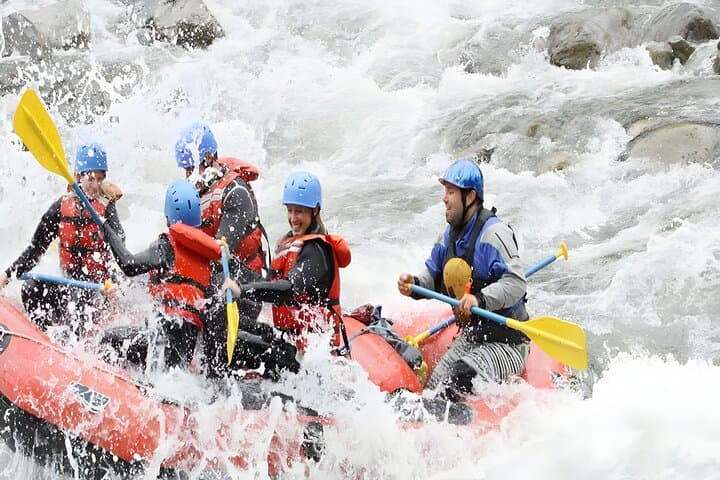
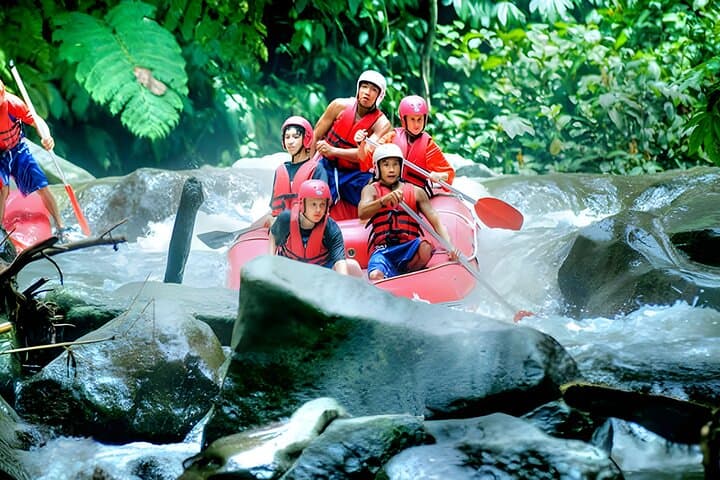
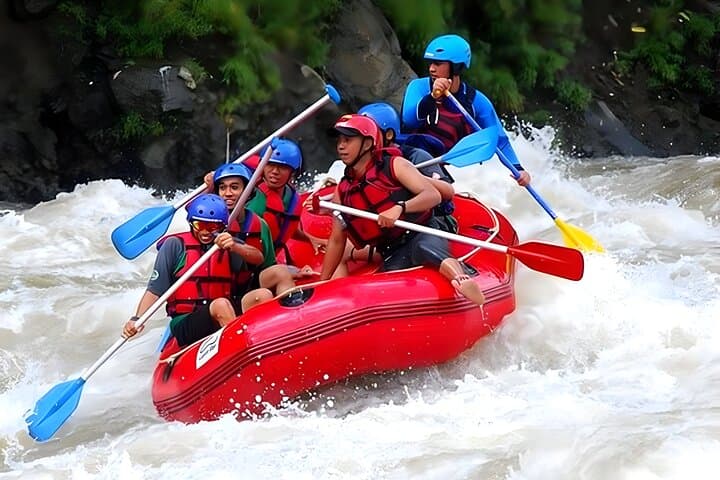
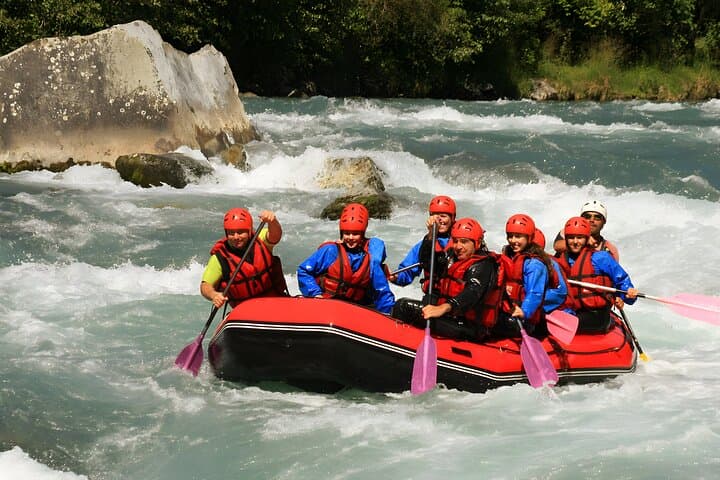
The sound of paddles snaps the humid jungle air as the raft drops into the Ayung River’s current. Water slides past the hull in clean, green sheets; the guides call out commands and laughter bounces off the canyon walls. Rice terraces tilt into view between clumps of dipterocarp and bamboo, and a bright flash of blue — the Javan kingfisher — darts from branch to rock, daring you to keep up.
The sound of paddles snaps the humid jungle air as the raft drops into the Ayung River’s current. Water slides past the hull in clean, green sheets; the guides call out commands and laughter bounces off the canyon walls. Rice terraces tilt into view between clumps of dipterocarp and bamboo, and a bright flash of blue — the Javan kingfisher — darts from branch to rock, daring you to keep up.
The Ayung has been the lifeblood of central Bali for centuries. Its channels shaped local irrigation practices and helped sustain subak rice terraces, the cooperative irrigation systems that are still active here. Geologically the river has carved a narrow valley into volcanic soils and older basalt flows from the nearby Gunung Agung and Batur systems; underfoot you’ll see rounded river stones and abrupt cliffs where the water carved faster.
Culturally the river corridor is full of small temple shrines and village compounds. Guides will often point out family temples and explain offerings left along the banks — a reminder that rafting here isn't just an adrenaline ride, it's a passage through living landscape and community.
The Ayung route used for commercial rafting runs roughly 10 kilometers and takes about two hours on the water. Rapids are Class II–III: punchy but forgiving, designed for beginners and children as young as five. Guides are professionally trained and issue life jackets and helmets; expect a safety briefing, a short walk to the put-in, and a buffet lunch and hot showers at the finish.
Practical edge: timing matters. During Bali’s dry season (May–September) the water is clearer and swifter; in shoulder months the current can be gentler, but afternoon tropical showers are possible. Wear quick-dry clothing and reef-safe sunscreen; secure phones in the provided waterproof bags or leave them in lockers. If you want photos, ask your guide — many operators have staff who will stop for photos or sell professional images afterwards.
For families and first-timers this is an accessible way to meet Bali’s rainforest without a long trek. For more adventurous paddlers the river still offers technical lines and a chance to practice strokes under real conditions. Respect local rules, pack out trash, and treat riverside shrines with quiet attention — the Ayung gives both thrill and a glimpse of Bali’s ecological and cultural rhythms.