THE ADVENTURE COLLECTIVE® · Independent discovery and booking for outdoor travel

Tackle 12 km of jungle-flanked rapids on the Ayung River near Ubud, then refuel with an Indonesian buffet lunch. This 2–2.5 hour river run (5–6 hour total) combines steady class II–III whitewater with riverside culture and a cooling waterfall stop.
Tackle 12 km of jungle-flanked rapids on the Ayung River near Ubud, then refuel with an Indonesian buffet lunch. This 2–2.5 hour river run (5–6 hour total) combines steady class II–III whitewater with riverside culture and a cooling waterfall stop.
You push off from a small concrete put-in, the raft bobbing against a green corridor where the river dares you forward. Jungle walls press close, palms and banyan roots gripping steep banks; your guide counts down and the current pulls the raft into a sequence of rollicking drops and calmer pools. Somewhere downstream a hidden waterfall appears, a vertical curtain you can pause beneath to cool off.
Verified experiences and guided adventures in the surrounding area.
Operated by Bali Countryside Cycling Tour · Payangan, Bali
You push off from a small concrete put-in, the raft bobbing against a green corridor where the river dares you forward. Jungle walls press close, palms and banyan roots gripping steep banks; your guide counts down and the current pulls the raft into a sequence of rollicking drops and calmer pools. Somewhere downstream a hidden waterfall appears, a vertical curtain you can pause beneath to cool off.
The Ayung has carved its way through volcanic soils and riverine terraces for millennia, shaping rice paddies and the villages of Payangan and Ubud. Rafting here mixes natural geology—eroding basalt and rich alluvium—with Balinese riverside life: shrines on rock outcrops, occasional temple stairs, and farmers working irrigated terraces. Modern rafting in Bali began in the 1990s and has grown into a regulated recreational corridor; reputable operators use international-standard lifejackets and helmets and typically include a buffet lunch with local dishes after the run.
Practical guidance: the advertised route is roughly 12 km and the river portion runs about 2–2.5 hours; expect a full trip of 5–6 hours including transfers, safety briefing and lunch. Difficulty is moderate—most rapids are class II–III—with continuous paddling and short swims possible. Wear sport sandals or water shoes, a quick‑dry top, and reef‑safe sunscreen. Leave valuables on the minivan; bring cash for photos and tips. If you have back, heart or pregnancy concerns, choose another activity. Book morning departures for steadier daylight and cooler air, and follow your guide’s commands—they steer safety as much as line choices through each rapid.
moderate.
5–6 hours.
Moderate fitness—able to paddle, sit for extended periods and climb in/out of rafts; some short swims possible.
The river run is typically 2–2.5 hours covering about 12 km; total tour time (including transfers, briefings and lunch) is about 5–6 hours.
Most operators include roundtrip transfers from central Ubud; confirm your pickup point and time when booking.
Yes—rapids are mainly class II–III and guides manage line choice. Children and inexperienced paddlers can participate under guide direction; age/height limits depend on the operator.
Not recommended for pregnant guests or people with serious back, heart or spinal conditions; if in doubt, consult your doctor and inform the operator of any issues.
The Ayung River valley has supported local farming and traditional water management for centuries; riverside shrines and temple steps reflect its cultural importance to nearby villages.
Operators and communities increasingly emphasize no‑litter practices and river cleanups; choose companies that follow local waste rules and respect river access to minimize impact.
Bali Countryside Cycling Tour operates guided outdoor trips and adventures with an emphasis on safety, stewardship, and memorable experiences.
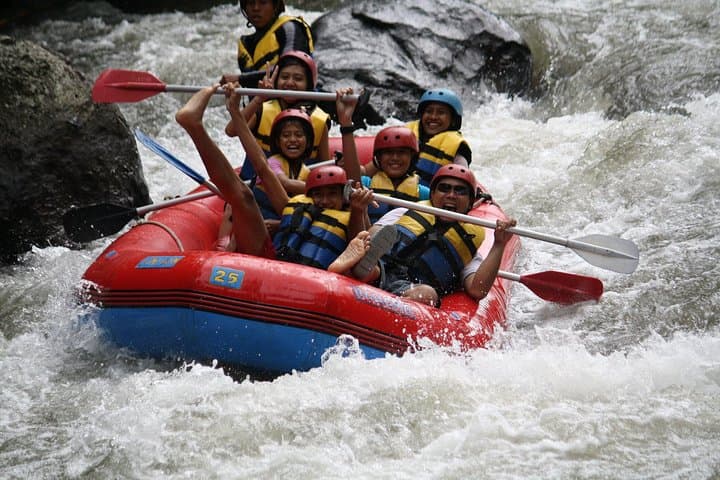
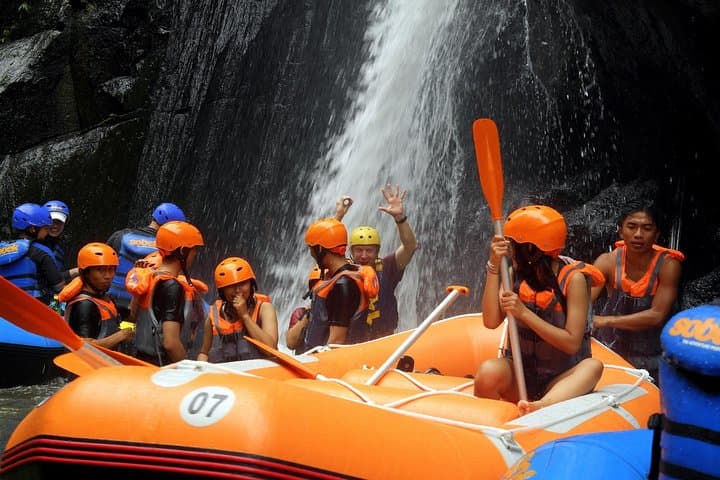
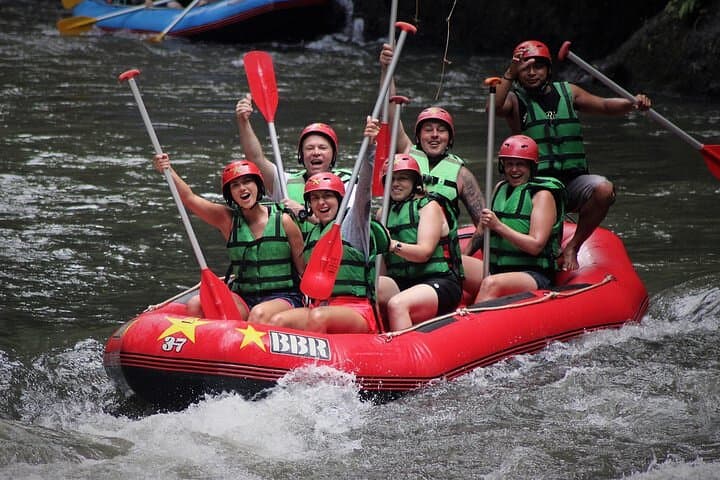
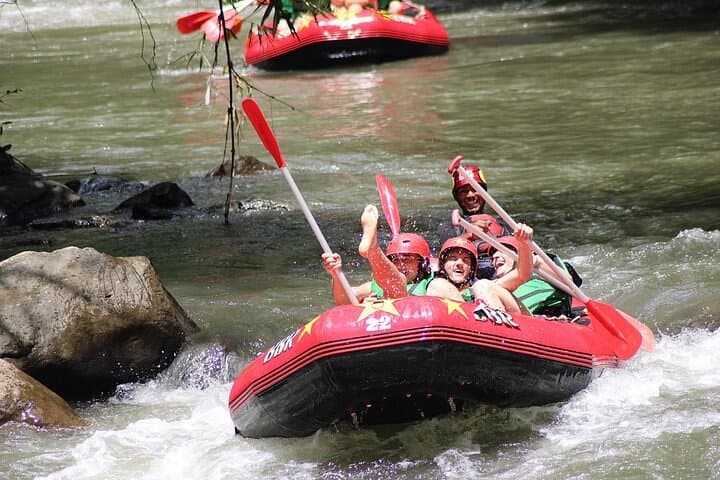
You push off from a small concrete put-in, the raft bobbing against a green corridor where the river dares you forward. Jungle walls press close, palms and banyan roots gripping steep banks; your guide counts down and the current pulls the raft into a sequence of rollicking drops and calmer pools. Somewhere downstream a hidden waterfall appears, a vertical curtain you can pause beneath to cool off.
You push off from a small concrete put-in, the raft bobbing against a green corridor where the river dares you forward. Jungle walls press close, palms and banyan roots gripping steep banks; your guide counts down and the current pulls the raft into a sequence of rollicking drops and calmer pools. Somewhere downstream a hidden waterfall appears, a vertical curtain you can pause beneath to cool off.
The Ayung has carved its way through volcanic soils and riverine terraces for millennia, shaping rice paddies and the villages of Payangan and Ubud. Rafting here mixes natural geology—eroding basalt and rich alluvium—with Balinese riverside life: shrines on rock outcrops, occasional temple stairs, and farmers working irrigated terraces. Modern rafting in Bali began in the 1990s and has grown into a regulated recreational corridor; reputable operators use international-standard lifejackets and helmets and typically include a buffet lunch with local dishes after the run.
Practical guidance: the advertised route is roughly 12 km and the river portion runs about 2–2.5 hours; expect a full trip of 5–6 hours including transfers, safety briefing and lunch. Difficulty is moderate—most rapids are class II–III—with continuous paddling and short swims possible. Wear sport sandals or water shoes, a quick‑dry top, and reef‑safe sunscreen. Leave valuables on the minivan; bring cash for photos and tips. If you have back, heart or pregnancy concerns, choose another activity. Book morning departures for steadier daylight and cooler air, and follow your guide’s commands—they steer safety as much as line choices through each rapid.