THE ADVENTURE COLLECTIVE® · Independent discovery and booking for outdoor travel

Feel the river push and pause as you raft 10–12 km of Class II–III rapids through Bali’s jungle. This two-hour run near Ubud pairs accessible whitewater with waterfalls, rice fields, and wildlife sightings.
Feel the river push and pause as you raft 10–12 km of Class II–III rapids through Bali’s jungle. This two-hour run near Ubud pairs accessible whitewater with waterfalls, rice fields, and wildlife sightings.
You push off from a low bank, paddle dipped and precise, while the Ayung pulls you into a corridor of jungle. The river hurries and hushes — a mix of playful rapids and calm, clear pools where kingfishers flash and rice terraces peek through the trees.
Verified experiences and guided adventures in the surrounding area.
Operated by Bali Rafting Tours · Ubud, Bali
You push off from a low bank, paddle dipped and precise, while the Ayung pulls you into a corridor of jungle. The river hurries and hushes — a mix of playful rapids and calm, clear pools where kingfishers flash and rice terraces peek through the trees.
The Ayung has driven Bali’s valleys for millennia, carving narrow gorges and feeding the subak irrigation networks that shaped local rice farming. Geologically it’s volcanic terrain: relatively young basalt and andesite bedrock with steep banks formed by seasonal flows. Culturally the river skirts small temples and roadside shrines; guides often point out canoeing lines once used by local communities.
On a typical commercial run you’ll cover roughly 10–12 kilometers in about two hours, navigating mostly Class II–III rapids — enough to be exciting for beginners and families but guided and predictable when paddlers follow commands. Between rapids you’ll float past well-maintained rice fields, small waterfalls, and forested banks that shelter blue kingfishers and macaques.
Practical notes: wear closed-toe water shoes and quick-dry clothing, secure valuables in a waterproof bag (often provided), and listen to your guide’s safety briefing. Mornings are cooler and produce better light for photos; afternoons can be hotter and busier. If you have back or heart conditions, pregnancy, or mobility limits, this trip is not recommended. Book transfers from Ubud or nearby beach towns and expect changing rooms, showers, and a buffet lunch at the finish. Bring sunscreen, a small waterproof camera, and a sense of rhythm — the river sets the pace.
moderate.
2 hours.
Basic cardiovascular fitness and ability to sit, paddle, and hold position for short bursts; comfortable swimming skills recommended
Most operators allow children aged 5 and up; minimum and maximum ages can vary, so confirm with your operator before booking.
The commercially guided section is typically 10–12 km and takes about two hours on the water, with extra time for transfers and gear.
Many packages include hotel pickup from Ubud and nearby towns—check your booking details for transfer coverage and pickup windows.
Rafting may be canceled in heavy rain or unsafe river conditions; operators typically offer full refunds or rescheduling if canceled for safety reasons.
The Ayung has long been integral to Balinese irrigation systems (subak) and runs past village temples that mark historical water rights and local rituals.
Operators and local groups emphasize leave-no-trace practices and limit group sizes to reduce bank erosion; avoid single-use plastics and follow guide instructions to protect river health.
Bali Rafting Tours operates guided outdoor trips and adventures with an emphasis on safety, stewardship, and memorable experiences.

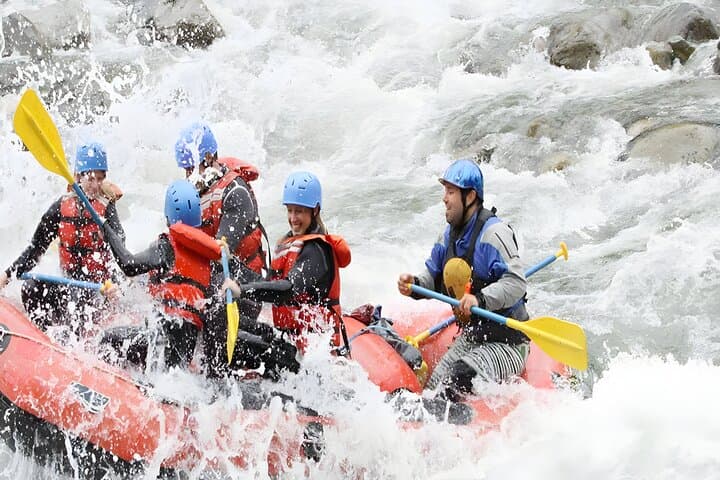
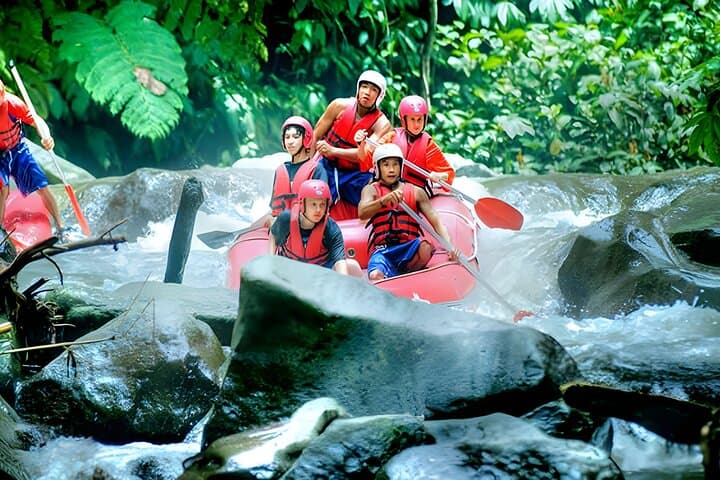
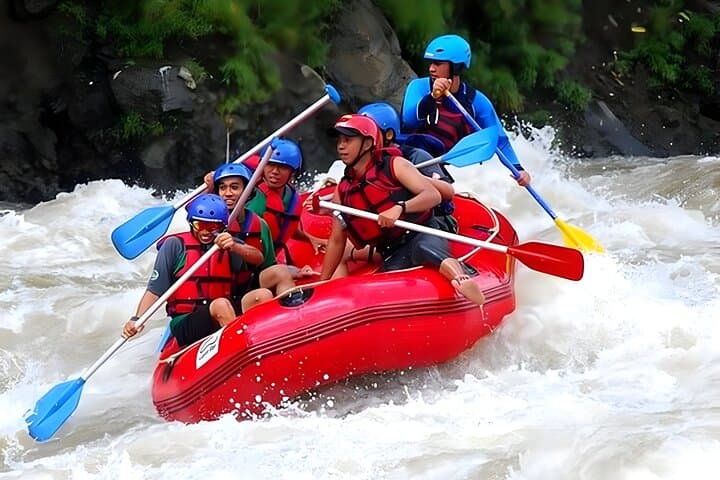
You push off from a low bank, paddle dipped and precise, while the Ayung pulls you into a corridor of jungle. The river hurries and hushes — a mix of playful rapids and calm, clear pools where kingfishers flash and rice terraces peek through the trees.
You push off from a low bank, paddle dipped and precise, while the Ayung pulls you into a corridor of jungle. The river hurries and hushes — a mix of playful rapids and calm, clear pools where kingfishers flash and rice terraces peek through the trees.
The Ayung has driven Bali’s valleys for millennia, carving narrow gorges and feeding the subak irrigation networks that shaped local rice farming. Geologically it’s volcanic terrain: relatively young basalt and andesite bedrock with steep banks formed by seasonal flows. Culturally the river skirts small temples and roadside shrines; guides often point out canoeing lines once used by local communities.
On a typical commercial run you’ll cover roughly 10–12 kilometers in about two hours, navigating mostly Class II–III rapids — enough to be exciting for beginners and families but guided and predictable when paddlers follow commands. Between rapids you’ll float past well-maintained rice fields, small waterfalls, and forested banks that shelter blue kingfishers and macaques.
Practical notes: wear closed-toe water shoes and quick-dry clothing, secure valuables in a waterproof bag (often provided), and listen to your guide’s safety briefing. Mornings are cooler and produce better light for photos; afternoons can be hotter and busier. If you have back or heart conditions, pregnancy, or mobility limits, this trip is not recommended. Book transfers from Ubud or nearby beach towns and expect changing rooms, showers, and a buffet lunch at the finish. Bring sunscreen, a small waterproof camera, and a sense of rhythm — the river sets the pace.