THE ADVENTURE COLLECTIVE® · Independent discovery and booking for outdoor travel

Float into a three-hour private rafting run on the Ayung River, where forested banks, rice-field views, and class II–III rapids make for a compact—but lively—river adventure. This small-group trip pairs guiding, shuttle transfers, and a post-run meal for an accessible taste of Bali's wild water.
Float into a three-hour private rafting run on the Ayung River, where forested banks, rice-field views, and class II–III rapids make for a compact—but lively—river adventure. This small-group trip pairs guiding, shuttle transfers, and a post-run meal for an accessible taste of Bali's wild water.
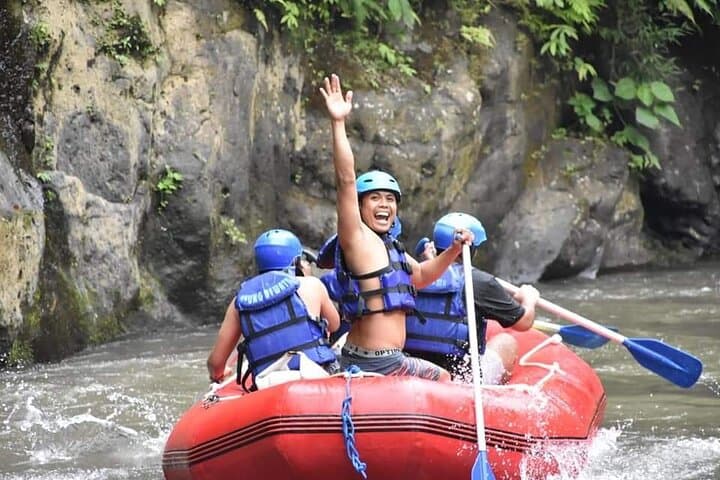
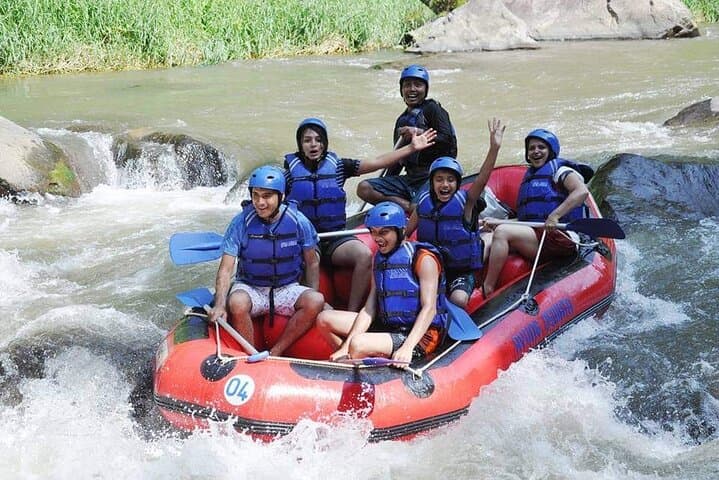
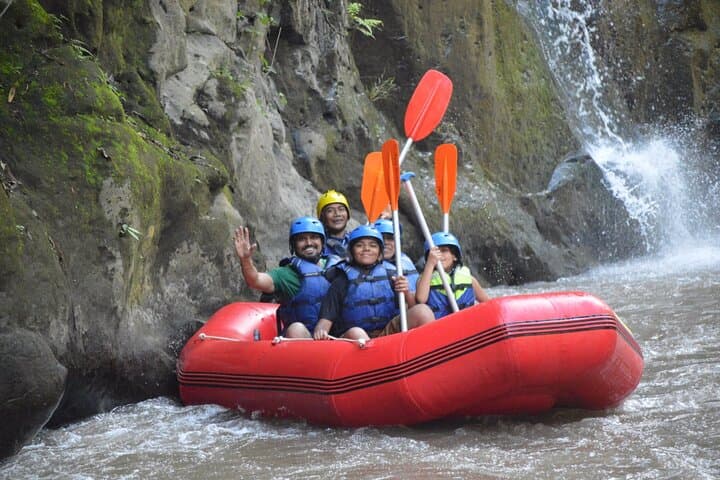
The raft bumps off a sun-warmed rock and the Ayung answers with a quick tantrum—white foam spitting against the plastic hull while jungle vines lean in to watch. For three hours the river alternates between playful and insistent, pushing a small group past cliff-carved walls, terraced fields, and curtains of roadside waterfalls. Guides call the current; paddles obey. The rhythm is brisk, occasionally breathless, always immediate.
Verified experiences and guided adventures in the surrounding area.
Operated by Master Bali Tour · Ubud, Bali
The raft bumps off a sun-warmed rock and the Ayung answers with a quick tantrum—white foam spitting against the plastic hull while jungle vines lean in to watch. For three hours the river alternates between playful and insistent, pushing a small group past cliff-carved walls, terraced fields, and curtains of roadside waterfalls. Guides call the current; paddles obey. The rhythm is brisk, occasionally breathless, always immediate.
Geology here is young volcanic rock threaded with centuries of river incision; the Ayung carved its channel through basalt and alluvium, feeding the small rice systems around Ubud and stitching villages to water sources. Culturally the river corridor has long been a working landscape—temple shrines and simple shrines dot the banks—while rafting companies introduced commercial runs in recent decades, turning the flow into a managed outdoor recreation route.
Expect a 10–12 km run that takes roughly 2.5–3 hours door-to-door: hotel pickup, safety briefing, a shuttle to the put-in, and a downstream exit reached by steps back to the vehicle. Boats hold up to five; helmets, life jackets, paddles, and water-resistant bags are provided. The course has class II–III rapids that are suitable for beginners with a moderate fitness level but not recommended for pregnant guests or those with serious heart or spinal conditions.
Practical hits: wear quick-dry layers and secure footwear, leave jewelry behind, stash electronics in the provided dry bag, and bring a change of clothes and a towel. Go early to avoid midday heat, follow your guide’s commands, and treat the river with respect—the Ayung will push you forward, but only if you work with it.
moderate.
3 hours (including transfers and briefing).
Moderate fitness—able to paddle for short bursts, climb stairs, and brace in moving water.
The river section used by operators is about 10–12 km; expect roughly 60–90 minutes on the water and about three hours total including pickups, briefing, and post-raft amenities.
No—this run is designed for beginners and intermediates; guides provide instruction and safety gear, but participants should be able to follow commands and brace in moving water.
Policies vary by operator, but small rafts typically seat up to five; check age and weight limits with the provider and note that children must be supervised and able to follow safety directions.
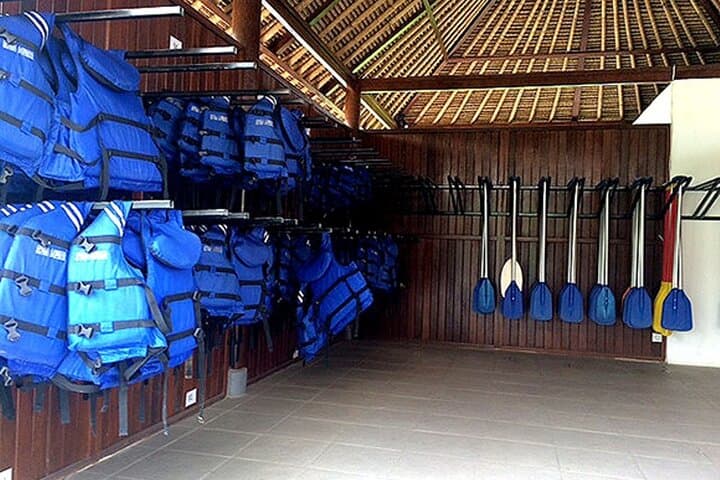
Operators provide helmets, life jackets, paddles, and water-resistant bags, plus trained guides and shuttle transfers to and from the put-in and exit.
The Ayung has long supported irrigation and village life around Ubud; commercial rafting began in the late 20th century as a controlled way to access the river's rapids.
Operators are increasingly practicing leave-no-trace policies and limiting group sizes to reduce bank erosion; avoid introducing sunscreen or litter into the water and use reef-safe products when possible.
Master Bali Tour operates guided outdoor trips and adventures with an emphasis on safety, stewardship, and memorable experiences.
The raft bumps off a sun-warmed rock and the Ayung answers with a quick tantrum—white foam spitting against the plastic hull while jungle vines lean in to watch. For three hours the river alternates between playful and insistent, pushing a small group past cliff-carved walls, terraced fields, and curtains of roadside waterfalls. Guides call the current; paddles obey. The rhythm is brisk, occasionally breathless, always immediate.
The raft bumps off a sun-warmed rock and the Ayung answers with a quick tantrum—white foam spitting against the plastic hull while jungle vines lean in to watch. For three hours the river alternates between playful and insistent, pushing a small group past cliff-carved walls, terraced fields, and curtains of roadside waterfalls. Guides call the current; paddles obey. The rhythm is brisk, occasionally breathless, always immediate.
Geology here is young volcanic rock threaded with centuries of river incision; the Ayung carved its channel through basalt and alluvium, feeding the small rice systems around Ubud and stitching villages to water sources. Culturally the river corridor has long been a working landscape—temple shrines and simple shrines dot the banks—while rafting companies introduced commercial runs in recent decades, turning the flow into a managed outdoor recreation route.
Expect a 10–12 km run that takes roughly 2.5–3 hours door-to-door: hotel pickup, safety briefing, a shuttle to the put-in, and a downstream exit reached by steps back to the vehicle. Boats hold up to five; helmets, life jackets, paddles, and water-resistant bags are provided. The course has class II–III rapids that are suitable for beginners with a moderate fitness level but not recommended for pregnant guests or those with serious heart or spinal conditions.
Practical hits: wear quick-dry layers and secure footwear, leave jewelry behind, stash electronics in the provided dry bag, and bring a change of clothes and a towel. Go early to avoid midday heat, follow your guide’s commands, and treat the river with respect—the Ayung will push you forward, but only if you work with it.