THE ADVENTURE COLLECTIVE® · Independent discovery and booking for outdoor travel

Explore the Aymara Route from Puno in a single day: fertility stones, pre-Inca chullpas, ancestral waru-waru fields and rock gates. This guided loop pairs accessible walks with highland history and hands-on cultural context.
Explore the Aymara Route from Puno in a single day: fertility stones, pre-Inca chullpas, ancestral waru-waru fields and rock gates. This guided loop pairs accessible walks with highland history and hands-on cultural context.
You step out of the van into thin air and a wide highland sky—the altiplano presses around you in low, wind-bruised grasses and sculpted stone. The tour moves like a narrative: first the fertility stones of Chucuito with their blunt, carved phalluses, then the squat stone chullpas of Molloco, and later the low terraces of the waru-waru where ancient farmers coaxed frost-hardy tubers from the cold soil.
Verified experiences and guided adventures in the surrounding area.
Operated by Qhapaq Adventures · Puno, Puno
You step out of the van into thin air and a wide highland sky—the altiplano presses around you in low, wind-bruised grasses and sculpted stone. The tour moves like a narrative: first the fertility stones of Chucuito with their blunt, carved phalluses, then the squat stone chullpas of Molloco, and later the low terraces of the waru-waru where ancient farmers coaxed frost-hardy tubers from the cold soil.
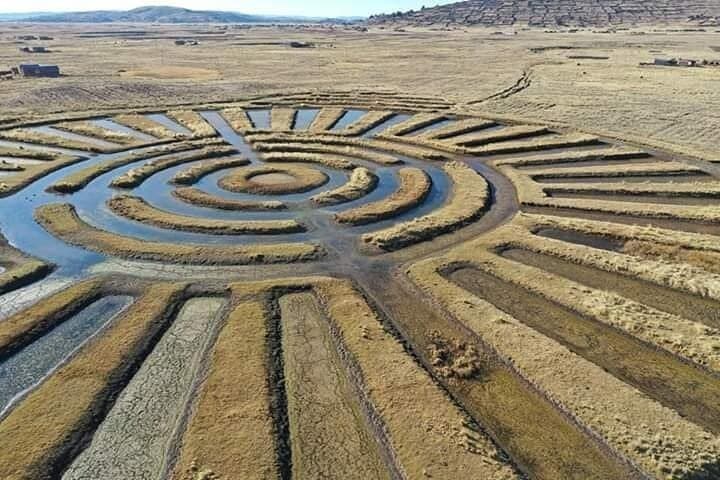
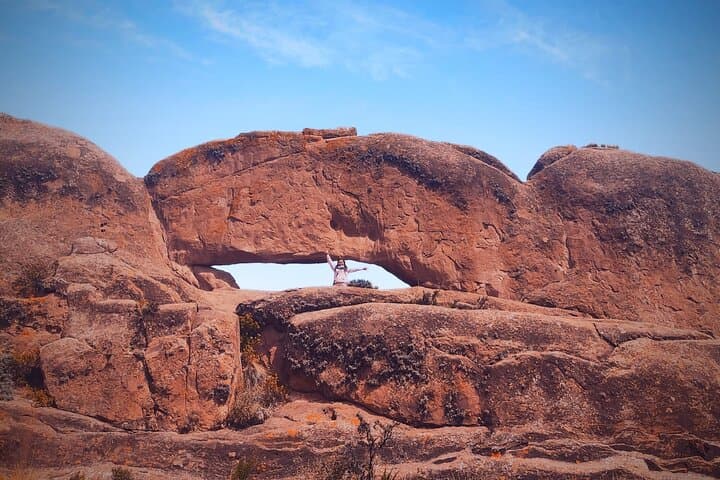
This route threads pre-Inca Lupaca remnants and later Inca influence; the chullpas are burial towers that reveal shifting funerary practices while waru-waru raised fields are living evidence of Andean agroengineering adapted to seasonal flooding and freeze. At Aramu Muro you encounter surreal rock gates where local guides invite quiet meditation beside wind-polished slabs; geology here is primarily volcanic and glacially-scoured bedrock, leaving rounded tors and linear ridges that frame the plain.
Practical guidance follows the story: the full itinerary is a roughly 7–8 hour loop from Puno, driven in an air-conditioned vehicle with short, easy walks at each site. Altitude (≈3,800–3,900 m) is the main challenge—pacing, extra hydration, and sun protection matter more than technical fitness. Expect uneven stone surfaces, exposed trails, and open highland wind; wear sturdy shoes and layer for rapid temperature swings. Lunch and return to Puno are included; optional beach or water-sport add-ons at Juli suit travelers seeking a splash after a day of heritage and high plains. A knowledgeable guide frames myths and archaeology, so bring curiosity and respect for local traditions.
easy.
7–7.5 hours.
Suitable for most fitness levels but expect short walks at high altitude; basic mobility required.
The tour lasts about 7–8 hours with several short, easy walks (15–60 minutes) at each site; most walking is low to moderate difficulty.
Altitude effects are possible—headache, shortness of breath, or fatigue; acclimate in Puno, hydrate, and avoid heavy exertion on arrival.
Lunch is included and some sites have included admission; optional activities at Juli (kayak, ATV, jet ski) require extra fees.
The tour is rated easy but involves uneven ground and short stairs; infants must sit on laps and travelers with mobility limits should check specific site access with the operator.
The route highlights Lupaca and Inca cultural contact—chullpas and burial niches reflect evolving funerary customs and regional political shifts before Spanish arrival.
Waru-waru agriculture showcases low-impact ancestral farming; visitors should avoid walking on fragile terraces and follow guide instructions to protect archaeological sites.
Qhapaq Adventures operates guided outdoor trips and adventures with an emphasis on safety, stewardship, and memorable experiences.


You step out of the van into thin air and a wide highland sky—the altiplano presses around you in low, wind-bruised grasses and sculpted stone. The tour moves like a narrative: first the fertility stones of Chucuito with their blunt, carved phalluses, then the squat stone chullpas of Molloco, and later the low terraces of the waru-waru where ancient farmers coaxed frost-hardy tubers from the cold soil.
You step out of the van into thin air and a wide highland sky—the altiplano presses around you in low, wind-bruised grasses and sculpted stone. The tour moves like a narrative: first the fertility stones of Chucuito with their blunt, carved phalluses, then the squat stone chullpas of Molloco, and later the low terraces of the waru-waru where ancient farmers coaxed frost-hardy tubers from the cold soil.
This route threads pre-Inca Lupaca remnants and later Inca influence; the chullpas are burial towers that reveal shifting funerary practices while waru-waru raised fields are living evidence of Andean agroengineering adapted to seasonal flooding and freeze. At Aramu Muro you encounter surreal rock gates where local guides invite quiet meditation beside wind-polished slabs; geology here is primarily volcanic and glacially-scoured bedrock, leaving rounded tors and linear ridges that frame the plain.
Practical guidance follows the story: the full itinerary is a roughly 7–8 hour loop from Puno, driven in an air-conditioned vehicle with short, easy walks at each site. Altitude (≈3,800–3,900 m) is the main challenge—pacing, extra hydration, and sun protection matter more than technical fitness. Expect uneven stone surfaces, exposed trails, and open highland wind; wear sturdy shoes and layer for rapid temperature swings. Lunch and return to Puno are included; optional beach or water-sport add-ons at Juli suit travelers seeking a splash after a day of heritage and high plains. A knowledgeable guide frames myths and archaeology, so bring curiosity and respect for local traditions.