THE ADVENTURE COLLECTIVE® · Independent discovery and booking for outdoor travel

Walk among towering stelae, visit centuries-old churches, and explore ruins linked to the Queen of Sheba on a focused 2-day Axum city tour. Expect moderate walking, local rituals, and guided visits to museums and monastic sites.
Walk among towering stelae, visit centuries-old churches, and explore ruins linked to the Queen of Sheba on a focused 2-day Axum city tour. Expect moderate walking, local rituals, and guided visits to museums and monastic sites.
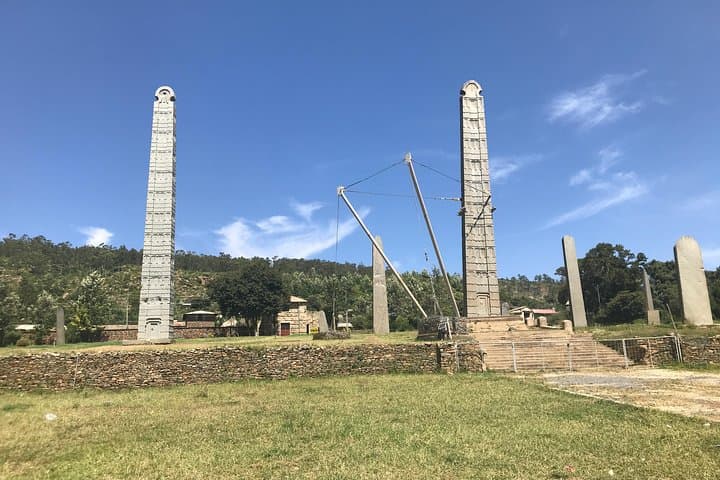
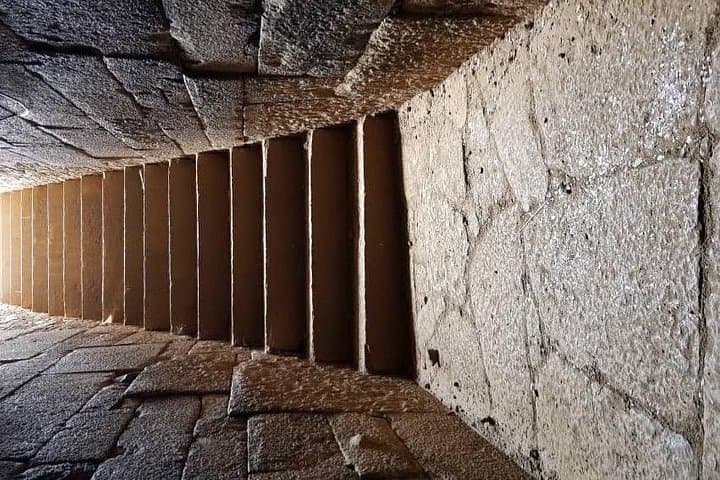
Dust from the plateau lifts as the minivan eases into Axum’s low skyline—slender obelisks puncture the blue, and a cluster of stone tombs keeps its quiet. Visitors step from vehicle to a landscape where carved stelae and rock-hewn graves narrate a kingdom that once linked Rome and India.
Verified experiences and guided adventures in the surrounding area.
Operated by ARRE TOURS AND TRAVEL · Axum, Tigray
Dust from the plateau lifts as the minivan eases into Axum’s low skyline—slender obelisks puncture the blue, and a cluster of stone tombs keeps its quiet. Visitors step from vehicle to a landscape where carved stelae and rock-hewn graves narrate a kingdom that once linked Rome and India.
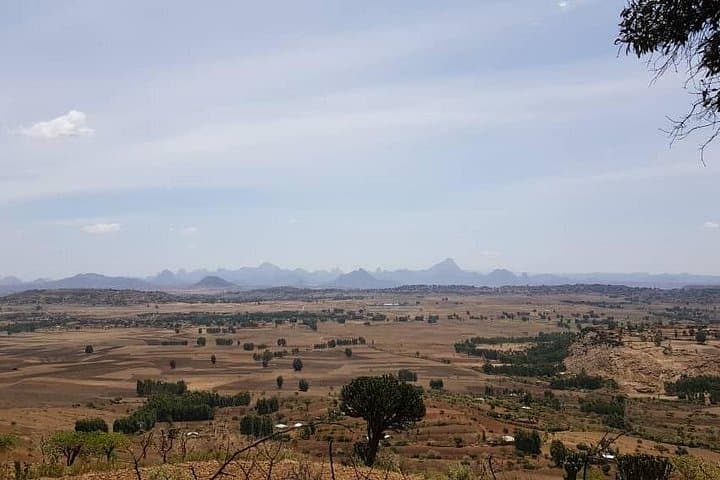
The tour moves between archaeological sites and living faith: the Field of Stelae, mausoleums and the archaeological museum explain Axum’s role as capital of the Aksumite Kingdom (1st–7th centuries CE). Nearby, churches tied to the Ethiopian Orthodox tradition—most famously Saint Mary of Zion—hold layers of history and the lore of the Ark of the Covenant. The region sits on the northern Ethiopian highlands; centuries of building used local stone and skilled masonry, leaving monoliths that weather with character.
Cultural notes matter: some monastic sites restrict entry by gender, and coronation gifts and relics inside churches reflect the city’s long ceremonial role. The tour also includes the so-called Queen of Sheba ruins and the ceremonial pool used for Epiphany celebrations—both local history and living ritual.
Practically, expect two days of moderate walking on mixed paved and dirt surfaces, short climbs and exposed sites. Bring sun protection, layered clothing for cool mornings and hot afternoons, and comfortable walking shoes. Carry water and modest clothing for church visits. Guides commonly handle admissions and logistics on private tours, but travelers should have passports for ticketing. With steady pacing, the Axum city tour is a compact, immersive window into northern Ethiopia’s archaeological and religious heart.
moderate.
Approximately 2 days.
Moderate fitness; able to walk several hours across uneven surfaces and stand during site visits
The listed itinerary covers about two full days of guided visits and site time, typically spread over 48 hours.
This tour description indicates admissions are included for the main archaeological and church sites.
Yes—some monastic churches restrict entry by gender; your guide will explain which areas can be visited.
Not recommended for severe spinal problems or those with limited mobility due to uneven ground and steps at many sites.
Axum was the center of the Aksumite Kingdom between the 1st and 7th centuries CE and served as a trading and ceremonial capital; its stelae and churches reflect both pre-Christian and Christian eras.
Archaeological conservation focuses on stabilizing stelae and protecting sites from erosion and unregulated development; visitors are encouraged to stay on paths and avoid touching fragile stonework.
ARRE TOURS AND TRAVEL operates guided outdoor trips and adventures with an emphasis on safety, stewardship, and memorable experiences.
Dust from the plateau lifts as the minivan eases into Axum’s low skyline—slender obelisks puncture the blue, and a cluster of stone tombs keeps its quiet. Visitors step from vehicle to a landscape where carved stelae and rock-hewn graves narrate a kingdom that once linked Rome and India.
Dust from the plateau lifts as the minivan eases into Axum’s low skyline—slender obelisks puncture the blue, and a cluster of stone tombs keeps its quiet. Visitors step from vehicle to a landscape where carved stelae and rock-hewn graves narrate a kingdom that once linked Rome and India.
The tour moves between archaeological sites and living faith: the Field of Stelae, mausoleums and the archaeological museum explain Axum’s role as capital of the Aksumite Kingdom (1st–7th centuries CE). Nearby, churches tied to the Ethiopian Orthodox tradition—most famously Saint Mary of Zion—hold layers of history and the lore of the Ark of the Covenant. The region sits on the northern Ethiopian highlands; centuries of building used local stone and skilled masonry, leaving monoliths that weather with character.
Cultural notes matter: some monastic sites restrict entry by gender, and coronation gifts and relics inside churches reflect the city’s long ceremonial role. The tour also includes the so-called Queen of Sheba ruins and the ceremonial pool used for Epiphany celebrations—both local history and living ritual.
Practically, expect two days of moderate walking on mixed paved and dirt surfaces, short climbs and exposed sites. Bring sun protection, layered clothing for cool mornings and hot afternoons, and comfortable walking shoes. Carry water and modest clothing for church visits. Guides commonly handle admissions and logistics on private tours, but travelers should have passports for ticketing. With steady pacing, the Axum city tour is a compact, immersive window into northern Ethiopia’s archaeological and religious heart.