THE ADVENTURE COLLECTIVE® · Independent discovery and booking for outdoor travel

Spend two days living with a Balinese family in Manggis: cook, pray, bathe in the river, and learn traditional crafts and distillation. This private, once‑a‑week stay emphasizes authentic village life and hands‑on cultural exchange.
Spend two days living with a Balinese family in Manggis: cook, pray, bathe in the river, and learn traditional crafts and distillation. This private, once‑a‑week stay emphasizes authentic village life and hands‑on cultural exchange.
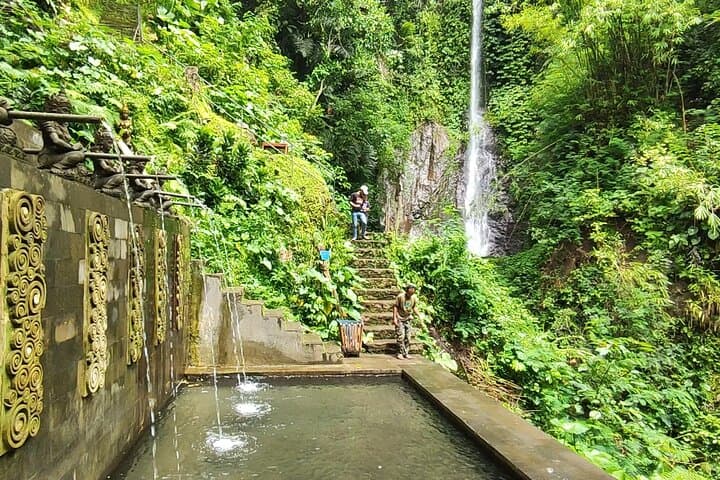
You arrive by a quiet backroad and the last sound of traffic falls away—rice paddies ripple, a river dares you to take off your shoes, and a family wave becomes your first introduction to East Bali life.
Verified experiences and guided adventures in the surrounding area.
Operated by AWay Wanderlust · Manggis, Bali
You arrive by a quiet backroad and the last sound of traffic falls away—rice paddies ripple, a river dares you to take off your shoes, and a family wave becomes your first introduction to East Bali life.
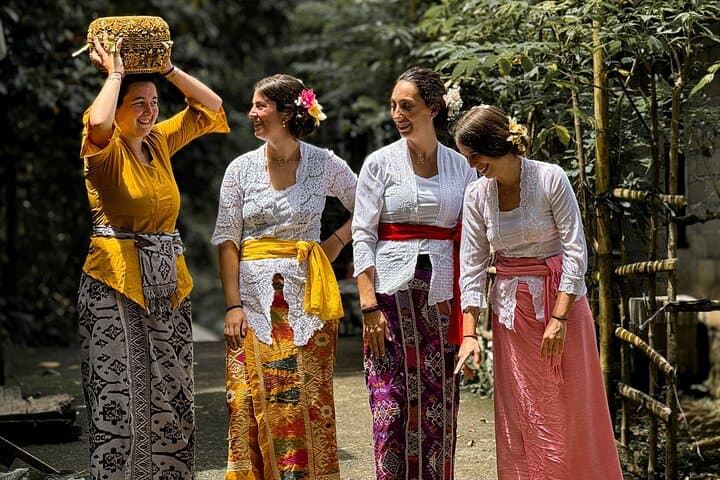
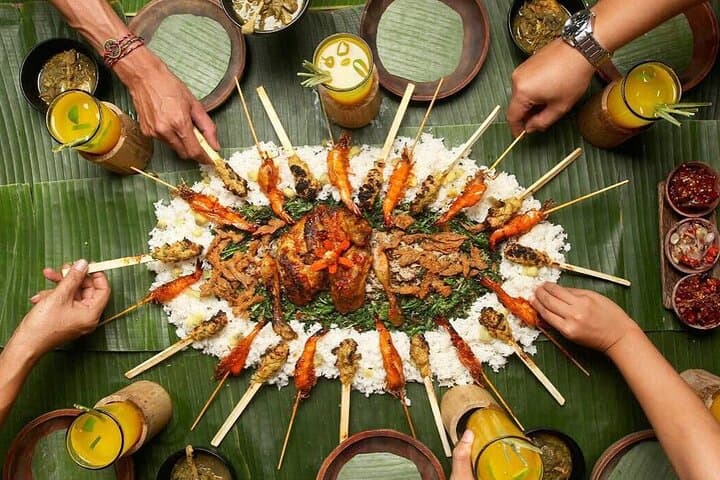
This two-day stay in Manggis, Karangasem, focuses on everyday rituals rather than monuments. Geologically the region sits on volcanic soils fed by nearby peaks, which create terraced fields and clear mountain streams the village uses for bathing and irrigation. Historically this coastline belonged to the Karangasem kingdom; local Hindu practice and communal offerings shape daily rhythm and the Megibung communal feast anchors the evening.
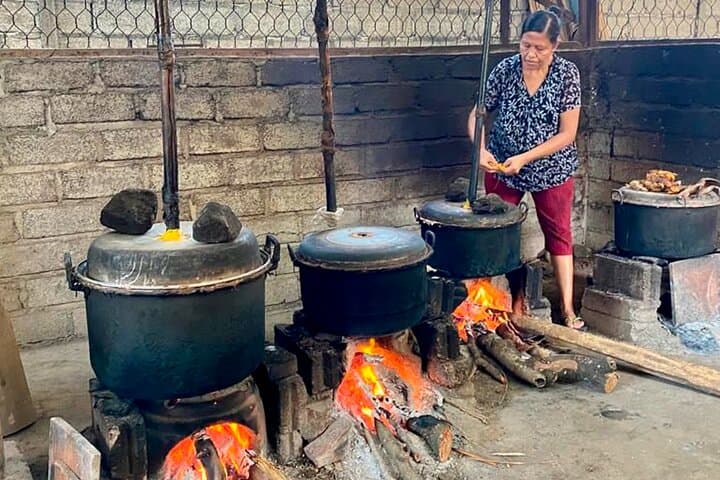
Expect hands-on learning: a simple cooking class to prepare Balinese dishes, making offerings, tasting freshly distilled arak and brown sugar made over wood fires, and practical village work—cutting grass, feeding cattle, wading into the river. The accommodation is a traditional Balinese house with a basic room, no AC, and true rural night sounds.
Practical notes: the program runs once a week to preserve authenticity; it’s physically easy but involves uneven jungle treks, river bathing with limited privacy, and insect encounters. Bring quick-dry clothing, insect protection, and respect local custom—dress modestly for prayers and ask before photographing people or rituals. The wet season can make tracks muddy and river currents stronger; the dry season offers more comfortable trekking and clearer skies.
This is an experiential stay aimed at cultural exchange: low-impact curiosity, willingness to participate in routine work, and an open attitude reward travelers with genuine insight into Bali beyond the tourist trail.
easy.
2 days (approx. 48 hours).
Suitable for most travelers with basic mobility—able to walk short uneven paths, participate in light farm tasks and river bathing.
No formal swimming skills are required; river bathing involves shallow areas but guests who are uncomfortable can use the in‑house bathroom instead.
Hosts provide traditional meals and cannot guarantee specialized diets—notify in advance but expect standard Balinese food centered on rice and local ingredients.
Pickup is typically arranged from central points (often Ubud); confirm your pickup location and arrival time when booking.
Accommodations are basic and communal rhythms are part of the experience—private spaces are limited and river bathing may have reduced privacy.
This area of East Bali was influenced by the Karangasem kingdom; local Hindu rituals and communal feasts like Megibung reflect long‑standing village governance and ritual practice.
Low‑impact tourism is emphasized—guests are asked to minimize waste, respect water resources and sacred sites, and follow hosts’ guidelines to protect local ecosystems.
AWay Wanderlust operates guided outdoor trips and adventures with an emphasis on safety, stewardship, and memorable experiences.
You arrive by a quiet backroad and the last sound of traffic falls away—rice paddies ripple, a river dares you to take off your shoes, and a family wave becomes your first introduction to East Bali life.
You arrive by a quiet backroad and the last sound of traffic falls away—rice paddies ripple, a river dares you to take off your shoes, and a family wave becomes your first introduction to East Bali life.
This two-day stay in Manggis, Karangasem, focuses on everyday rituals rather than monuments. Geologically the region sits on volcanic soils fed by nearby peaks, which create terraced fields and clear mountain streams the village uses for bathing and irrigation. Historically this coastline belonged to the Karangasem kingdom; local Hindu practice and communal offerings shape daily rhythm and the Megibung communal feast anchors the evening.
Expect hands-on learning: a simple cooking class to prepare Balinese dishes, making offerings, tasting freshly distilled arak and brown sugar made over wood fires, and practical village work—cutting grass, feeding cattle, wading into the river. The accommodation is a traditional Balinese house with a basic room, no AC, and true rural night sounds.
Practical notes: the program runs once a week to preserve authenticity; it’s physically easy but involves uneven jungle treks, river bathing with limited privacy, and insect encounters. Bring quick-dry clothing, insect protection, and respect local custom—dress modestly for prayers and ask before photographing people or rituals. The wet season can make tracks muddy and river currents stronger; the dry season offers more comfortable trekking and clearer skies.
This is an experiential stay aimed at cultural exchange: low-impact curiosity, willingness to participate in routine work, and an open attitude reward travelers with genuine insight into Bali beyond the tourist trail.