THE ADVENTURE COLLECTIVE® · Independent discovery and booking for outdoor travel

A compact 2-day safari northeast of Addis Ababa that follows the Great Rift Valley’s volcanic edges to Awash Falls, Beseka Lake and Alideghe Reserve. Expect diverse birdlife, oryx and active nocturnal mammals, plus basic camping under clear Rift Valley skies.
A compact 2-day safari northeast of Addis Ababa that follows the Great Rift Valley’s volcanic edges to Awash Falls, Beseka Lake and Alideghe Reserve. Expect diverse birdlife, oryx and active nocturnal mammals, plus basic camping under clear Rift Valley skies.
Dust from the Rift Valley road rises behind the convoy as vehicles slide between blackened lava ridges and scrubby acacia. The air smells faintly of minerals and river spray; at Beseka Lake flaming pink-winged pelicans wheel like punctuation marks against a shallow, shimmering bowl. By afternoon the Awash River thunders over basalt steps at Awash Falls, the water daring visitors to draw closer while baboon troops patrol the riverbank.
Verified experiences and guided adventures in the surrounding area.
Operated by Armaye Ethiopia Tours · Awash, Oromia
Dust from the Rift Valley road rises behind the convoy as vehicles slide between blackened lava ridges and scrubby acacia. The air smells faintly of minerals and river spray; at Beseka Lake flaming pink-winged pelicans wheel like punctuation marks against a shallow, shimmering bowl. By afternoon the Awash River thunders over basalt steps at Awash Falls, the water daring visitors to draw closer while baboon troops patrol the riverbank.
Awash sits where the Ethiopian Great Rift Valley drags east, exposing volcanic flows and saline lakes that attract hundreds of birds and a surprising cast of mammals. The park’s history is geological first—layers of basalt, recent lava, and river-cut gorges—and cultural second, as pastoral Afar and Oromo communities have long grazed and traded along these corridors. Small lodges and reserve camps reflect that working-landscape character.
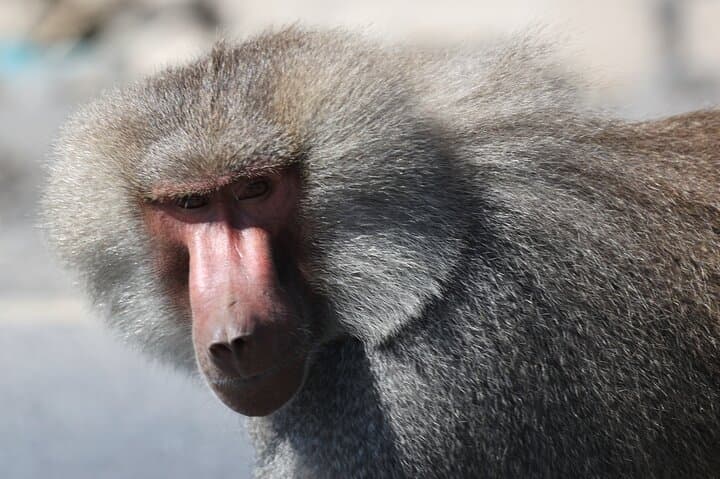
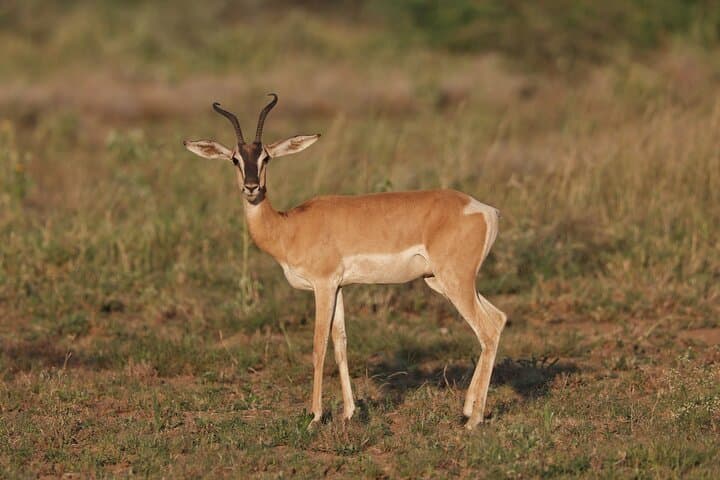
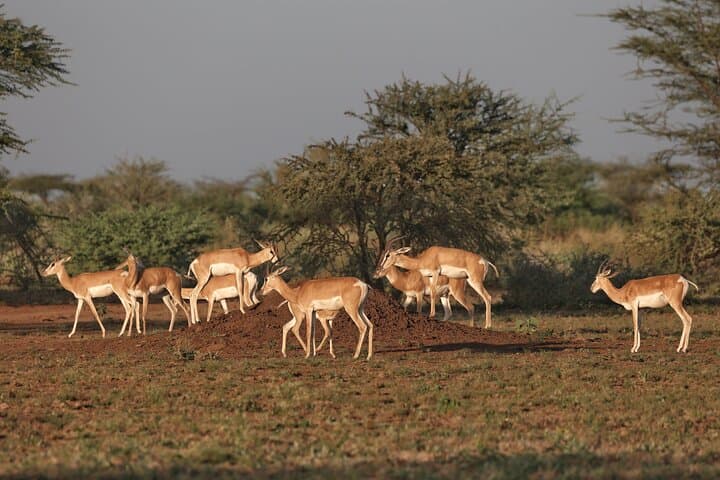
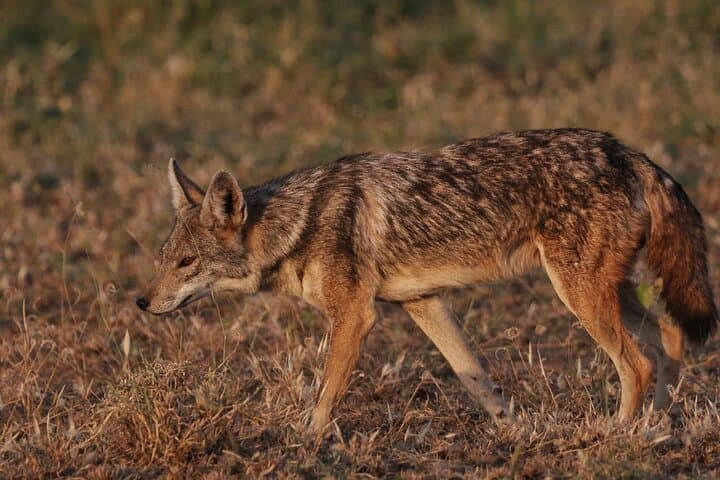
Expect game drives through semi-arid plains and riverine thickets rather than long treks: sightings commonly include Beisa oryx, Soemmering’s gazelle, hamadryas baboons, spotted hyenas and dozens of bird species. Night drives at Alideghe turn up aardwolf, bat-eared fox and genets; camping here is simple, columnar stars above and coyotes—or rather golden jackals—calling from the brush.
Practical guidance: plan for early-morning and dusk windows for the best wildlife activity, carry binoculars and layered sun protection, and be ready for dusty roads and basic campsite facilities. Respect park boundaries, secure food at night, and keep water accessible—hydration and timing make the difference between a distant sighting and a front-row encounter.
easy.
2 days (approx. 48 hours).
Suitable for most fitness levels; involves vehicle-based game drives and short, easy walks from vehicles
The park is roughly 230–250 km northeast of Addis Ababa and the drive typically takes 4–6 hours depending on vehicle and road conditions.
Accommodation on this itinerary includes simple camping at Alideghe Wildlife Reserve and basic lodge-style facilities; expect rustic amenities rather than full-service hotels.
Common sightings include Beisa oryx, hamadryas and olive baboons, Soemmering’s gazelle, warthogs and a large variety of water and raptor birds; nocturnal drives may reveal aardwolf, bat-eared fox and genets.
Yes—when run by experienced guides who follow park rules; stay inside vehicles unless instructed and keep noise and lights controlled to reduce disturbance.
Awash National Park occupies a stretch of the Ethiopian Rift where volcanic flows and the Awash River shaped routes used for millennia by pastoralists and traders.
Pressure from grazing, water extraction and invasive plants affects habitat; stay on designated roads, dispose of waste properly and follow guide instructions to reduce impact.
Armaye Ethiopia Tours operates guided outdoor trips and adventures with an emphasis on safety, stewardship, and memorable experiences.
Dust from the Rift Valley road rises behind the convoy as vehicles slide between blackened lava ridges and scrubby acacia. The air smells faintly of minerals and river spray; at Beseka Lake flaming pink-winged pelicans wheel like punctuation marks against a shallow, shimmering bowl. By afternoon the Awash River thunders over basalt steps at Awash Falls, the water daring visitors to draw closer while baboon troops patrol the riverbank.
Dust from the Rift Valley road rises behind the convoy as vehicles slide between blackened lava ridges and scrubby acacia. The air smells faintly of minerals and river spray; at Beseka Lake flaming pink-winged pelicans wheel like punctuation marks against a shallow, shimmering bowl. By afternoon the Awash River thunders over basalt steps at Awash Falls, the water daring visitors to draw closer while baboon troops patrol the riverbank.
Awash sits where the Ethiopian Great Rift Valley drags east, exposing volcanic flows and saline lakes that attract hundreds of birds and a surprising cast of mammals. The park’s history is geological first—layers of basalt, recent lava, and river-cut gorges—and cultural second, as pastoral Afar and Oromo communities have long grazed and traded along these corridors. Small lodges and reserve camps reflect that working-landscape character.
Expect game drives through semi-arid plains and riverine thickets rather than long treks: sightings commonly include Beisa oryx, Soemmering’s gazelle, hamadryas baboons, spotted hyenas and dozens of bird species. Night drives at Alideghe turn up aardwolf, bat-eared fox and genets; camping here is simple, columnar stars above and coyotes—or rather golden jackals—calling from the brush.
Practical guidance: plan for early-morning and dusk windows for the best wildlife activity, carry binoculars and layered sun protection, and be ready for dusty roads and basic campsite facilities. Respect park boundaries, secure food at night, and keep water accessible—hydration and timing make the difference between a distant sighting and a front-row encounter.