THE ADVENTURE COLLECTIVE® · Independent discovery and booking for outdoor travel

Learn authentic Ottoman sword techniques in a focused 1–2 hour workshop near Sultanahmet. This hands-on class combines history, safety-focused drills, and paired sequences to build skill and confidence for beginners and curious travelers.
Learn authentic Ottoman sword techniques in a focused 1–2 hour workshop near Sultanahmet. This hands-on class combines history, safety-focused drills, and paired sequences to build skill and confidence for beginners and curious travelers.
You step into a bright training hall a short tram ride from Sultanahmet; sunlight slices across wooden floors, and the faint metallic scent of oil and steel sits in the air like a promise. Leather-wrapped hilts await, and the instructor’s voice cuts through the murmur — precise, economical — as the room leans into the rhythm of practice.
Verified experiences and guided adventures in the surrounding area.
Operated by New Istanbul Tours · Istanbul, Istanbul
You step into a bright training hall a short tram ride from Sultanahmet; sunlight slices across wooden floors, and the faint metallic scent of oil and steel sits in the air like a promise. Leather-wrapped hilts await, and the instructor’s voice cuts through the murmur — precise, economical — as the room leans into the rhythm of practice.
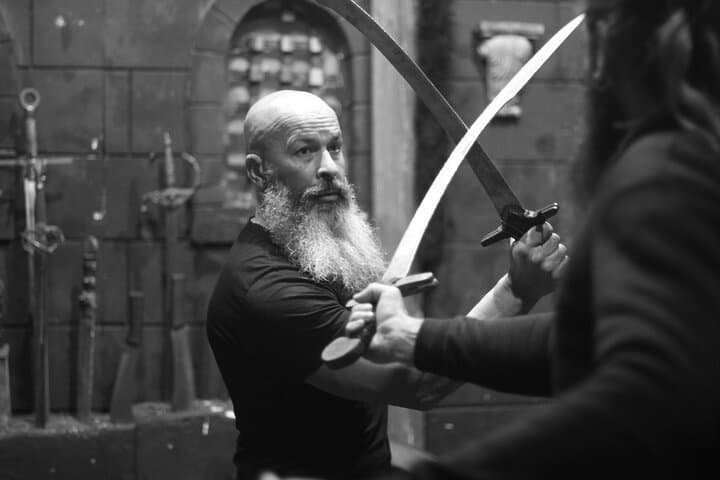
The workshop traces techniques rooted in Ottoman swordcraft — the curved kilij and the cavalry methods of the sipahi — and places them beside broader European and Asian blade traditions to show how movement and intent travel across cultures. Istanbul itself, straddling continents and shaped by the Bosphorus, is a fitting classroom where trade, conquest, and craft met for centuries.
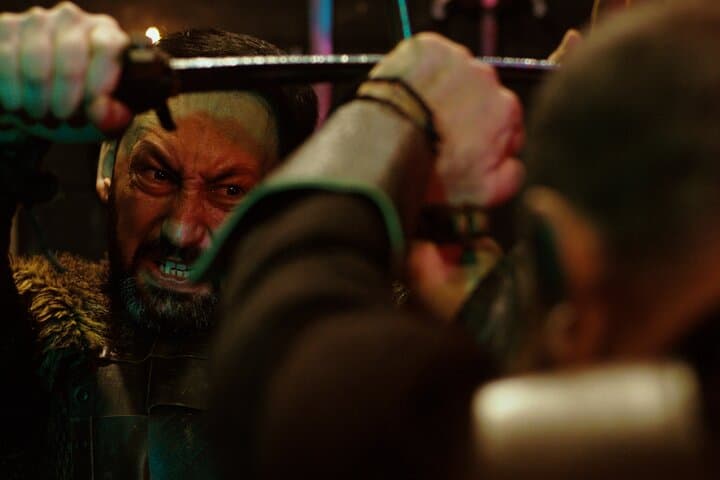
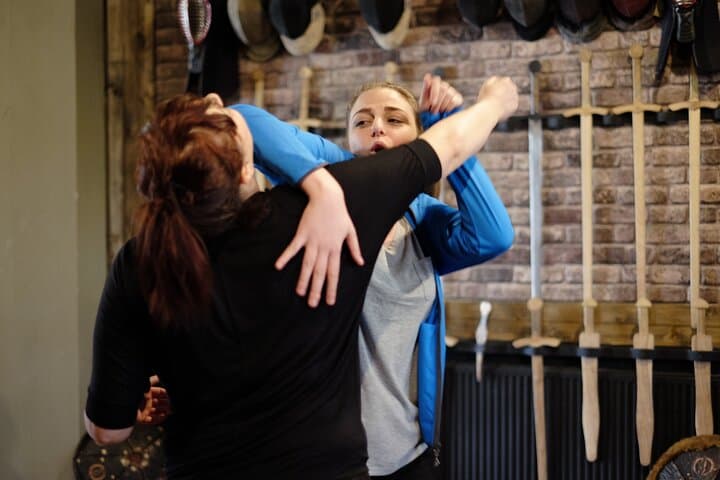
On the floor you’ll learn fundamentals: grips, basic guards, footwork patterns, and controlled strikes and parries. Drills emphasize timing and balance rather than force; instructors progress from solo mechanics to paired sequences that train distance and response. Expect a mix of historical context and hands-on repetition designed for safety and skill-building.
Practicalities: sessions run 60–120 minutes, capped at small groups to keep instruction focused; swords are provided; moderate fitness and coordination help, but no prior experience is required. Wear closed-toe athletic shoes and light clothing, hydrate before class, and arrive early for briefing. Public transit and nearby historic sites make it easy to pair this workshop with a day of museums and Bosphorus views.
Respect the lineage and the rules: blade work is practice in restraint as much as technique. Move deliberately, listen closely, and you’ll leave with sharper posture, steadier footwork, and a clearer sense of how a single edge shaped histories.
moderate.
1–2 hours.
Suitable for people with moderate fitness and basic coordination; standing, stepping, and light impact are required.
Swords are provided by the operator and are matched to the exercises; you do not need to bring weapons.
No — the workshop is structured for beginners and includes progressive drills, though basic coordination helps.
Not recommended for pregnant travelers or those with spinal, serious heart, or severe mobility issues due to the physical nature of drills.
Cancel at least 24 hours in advance for a full refund; last-minute cancellations (under 24 hours) are not refundable.
Swordsmanship in the region is closely linked to Ottoman cavalry and infantry traditions; the kilij’s curvature influenced tactical striking techniques used by mounted warriors.
Workshops typically emphasize low-impact cultural tourism—use provided equipment, follow instructor cleaning protocols, and support local museums that preserve historical artifacts.
New Istanbul Tours operates guided outdoor trips and adventures with an emphasis on safety, stewardship, and memorable experiences.
You step into a bright training hall a short tram ride from Sultanahmet; sunlight slices across wooden floors, and the faint metallic scent of oil and steel sits in the air like a promise. Leather-wrapped hilts await, and the instructor’s voice cuts through the murmur — precise, economical — as the room leans into the rhythm of practice.
You step into a bright training hall a short tram ride from Sultanahmet; sunlight slices across wooden floors, and the faint metallic scent of oil and steel sits in the air like a promise. Leather-wrapped hilts await, and the instructor’s voice cuts through the murmur — precise, economical — as the room leans into the rhythm of practice.
The workshop traces techniques rooted in Ottoman swordcraft — the curved kilij and the cavalry methods of the sipahi — and places them beside broader European and Asian blade traditions to show how movement and intent travel across cultures. Istanbul itself, straddling continents and shaped by the Bosphorus, is a fitting classroom where trade, conquest, and craft met for centuries.
On the floor you’ll learn fundamentals: grips, basic guards, footwork patterns, and controlled strikes and parries. Drills emphasize timing and balance rather than force; instructors progress from solo mechanics to paired sequences that train distance and response. Expect a mix of historical context and hands-on repetition designed for safety and skill-building.
Practicalities: sessions run 60–120 minutes, capped at small groups to keep instruction focused; swords are provided; moderate fitness and coordination help, but no prior experience is required. Wear closed-toe athletic shoes and light clothing, hydrate before class, and arrive early for briefing. Public transit and nearby historic sites make it easy to pair this workshop with a day of museums and Bosphorus views.
Respect the lineage and the rules: blade work is practice in restraint as much as technique. Move deliberately, listen closely, and you’ll leave with sharper posture, steadier footwork, and a clearer sense of how a single edge shaped histories.