
Avenue of the Volcanoes: Quito to Riobamba & Devil's Nose Train (2-Day Tour)
Two days along Ecuador’s Avenue of the Volcanoes pairs Cotopaxi views and a night in a hacienda with the iconic Devil’s Nose train ride. Expect highland scenery, an engineering landmark, and practical mountain travel advice.
An Adventure In Quito.
Two days along Ecuador’s Avenue of the Volcanoes pairs Cotopaxi views and a night in a hacienda with the iconic Devil’s Nose train ride. Expect highland scenery, an engineering landmark, and practical mountain travel advice.
Read the full experience
Morning air in the high Andes is thin and clear; the first light cuts across the slopes of snow-capped cones as the minivan threads a ribbon of highway known locally as the Avenue of the Volcanoes. On day one you cross rolling puna, pass farms of lupin and potato terraces, and arrive at Cotopaxi National Park where the volcano’s cone looms, daring you to look higher.
Morning air in the high Andes is thin and clear; the first light cuts across the slopes of snow-capped cones as the minivan threads a ribbon of highway known locally as the Avenue of the Volcanoes. On day one you cross rolling puna, pass farms of lupin and potato terraces, and arrive at Cotopaxi National Park where the volcano’s cone looms, daring you to look higher.
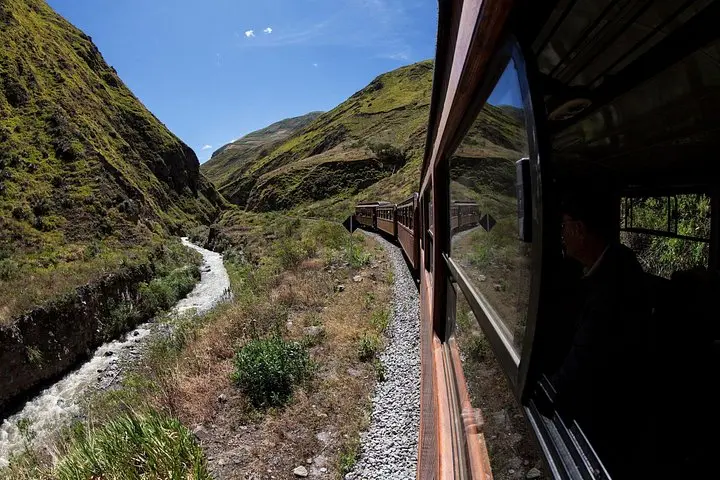
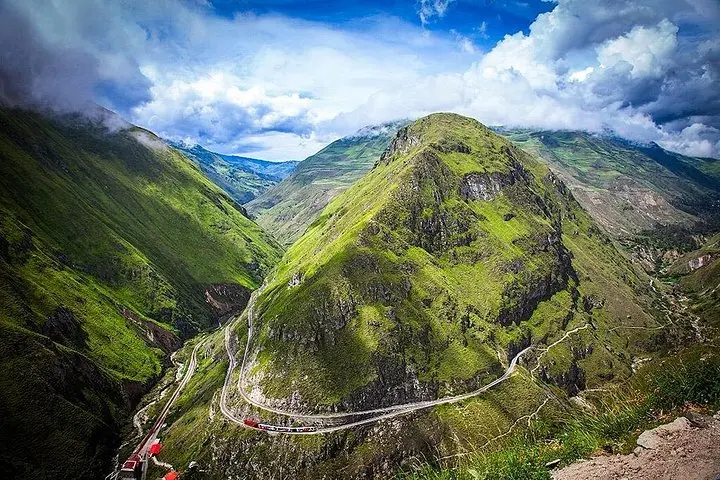
This route follows a long human story of mountain travel — pre-Columbian trails, colonial haciendas, and the iron ambition of the Devil’s Nose railway, carved into an almost-vertical escarpment in the early 20th century. Geologically, you’re traveling a volcanic spine: basalt and andesite flows punctuated by glacial cirques and high paramo wetlands that store the headwaters of Ecuador’s rivers.
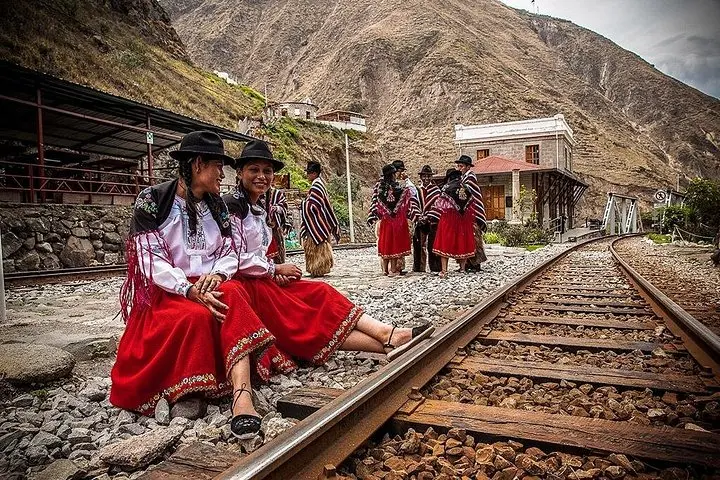
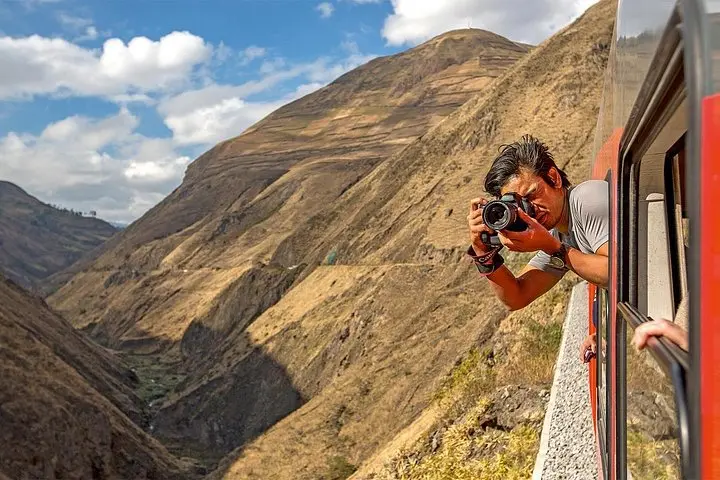
Culturally the journey is as much about people as peaks: Riobamba’s haciendas and Alausí’s market days show traditional highland life, and the train ride at Nariz del Diablo is an engineering thrill that still hums with local lore.
Practical guidance: bring layered clothing for 2,700–3,800 m elevations, allow time for altitude adjustment, and expect bumpy rural roads. The train segment is short but popular — book in advance if you want the best seats. Carry water, sun protection, and modest cash for market stops. With straightforward logistics and abundant scenery, this two-day loop is an efficient way to sample Ecuador’s highland landscapes and a historic rail experience without committing to a long expedition.
Frequently asked questions
The Nariz del Diablo rail segment is roughly 1.5–2 hours round trip, embedded within a longer day of driving between towns.
Yes, elevations reach ~3,000+ meters; mild symptoms are common—rest, hydrate, and avoid heavy exertion on arrival.
Breakfast, a train ticket, accommodation in a traditional hacienda, and a bilingual guide are included; verify other meals when booking.
Yes; infants must sit on laps and the itinerary is described as suitable for all fitness levels, but check with the operator about specifics.
About This Experience
Tangol operates guided outdoor trips and adventures with an emphasis on safety, stewardship, and memorable experiences.
Adventure tips
Recommended gear
- Sturdy walking shoes: Comfortable low-to-mid hiking shoes handle rocky viewpoints and hacienda grounds.
- Layered jacket: Warm, packable layers protect against wind and cold at 3,000+ m.
- Sun protection (hat & sunscreen): High-altitude sun is intense even on cool days; protect skin and eyes.
- Reusable water bottle: Hydration eases altitude effects and cuts down on plastic waste.
Photos of the experience
Related adventures & guides
Read the full experience
Morning air in the high Andes is thin and clear; the first light cuts across the slopes of snow-capped cones as the minivan threads a ribbon of highway known locally as the Avenue of the Volcanoes. On day one you cross rolling puna, pass farms of lupin and potato terraces, and arrive at Cotopaxi National Park where the volcano’s cone looms, daring you to look higher.
Morning air in the high Andes is thin and clear; the first light cuts across the slopes of snow-capped cones as the minivan threads a ribbon of highway known locally as the Avenue of the Volcanoes. On day one you cross rolling puna, pass farms of lupin and potato terraces, and arrive at Cotopaxi National Park where the volcano’s cone looms, daring you to look higher.
This route follows a long human story of mountain travel — pre-Columbian trails, colonial haciendas, and the iron ambition of the Devil’s Nose railway, carved into an almost-vertical escarpment in the early 20th century. Geologically, you’re traveling a volcanic spine: basalt and andesite flows punctuated by glacial cirques and high paramo wetlands that store the headwaters of Ecuador’s rivers.
Culturally the journey is as much about people as peaks: Riobamba’s haciendas and Alausí’s market days show traditional highland life, and the train ride at Nariz del Diablo is an engineering thrill that still hums with local lore.
Practical guidance: bring layered clothing for 2,700–3,800 m elevations, allow time for altitude adjustment, and expect bumpy rural roads. The train segment is short but popular — book in advance if you want the best seats. Carry water, sun protection, and modest cash for market stops. With straightforward logistics and abundant scenery, this two-day loop is an efficient way to sample Ecuador’s highland landscapes and a historic rail experience without committing to a long expedition.
Make a day of it nearby.
Verified experiences and guided adventures in the surrounding area.