THE ADVENTURE COLLECTIVE® · Independent discovery and booking for outdoor travel

Spend a day tracing Portugal’s coastal and scholarly histories on a private tour from Lisbon. Glide past Aveiro’s moliceiros, walk Coimbra’s university lanes and sample regional flavors on a curated, full‑day itinerary.
Spend a day tracing Portugal’s coastal and scholarly histories on a private tour from Lisbon. Glide past Aveiro’s moliceiros, walk Coimbra’s university lanes and sample regional flavors on a curated, full‑day itinerary.
You step out of an air-conditioned van onto cobblestones that still remember Roman carts, and the narrow canals of Aveiro blink like veins of light against painted moliceiros. Salt-scented air and the surf’s distant voice remind you this is a city shaped by tides, while further inland Coimbra’s hilltop university looks down as it has for centuries — a city that taught a nation to read.
Verified experiences and guided adventures in the surrounding area.
Operated by abc Travel · Aveiro, Aveiro District
You step out of an air-conditioned van onto cobblestones that still remember Roman carts, and the narrow canals of Aveiro blink like veins of light against painted moliceiros. Salt-scented air and the surf’s distant voice remind you this is a city shaped by tides, while further inland Coimbra’s hilltop university looks down as it has for centuries — a city that taught a nation to read.
Aveiro grew around maritime trade, moliceiro boatmen and salt pans; its Art Nouveau facades and striped houses at Costa Nova reflect a 19th–20th century seaside culture. Coimbra, once Portugal’s capital, centers on the University of Coimbra and the ornate Joanina Library — Baroque woodwork and stacked volumes that speak to early modern scholarship. Geologically, the Ria de Aveiro is a lagoon system of shifting sands and reclaimed flats; the Mondego river carved Coimbra’s terraces and strategic sites.
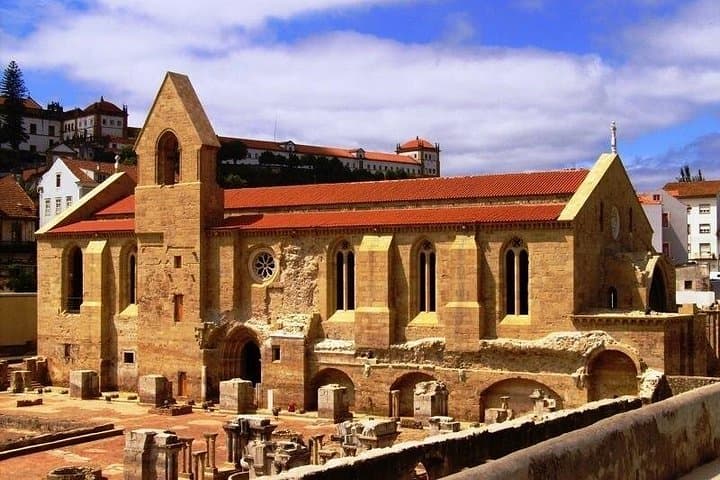
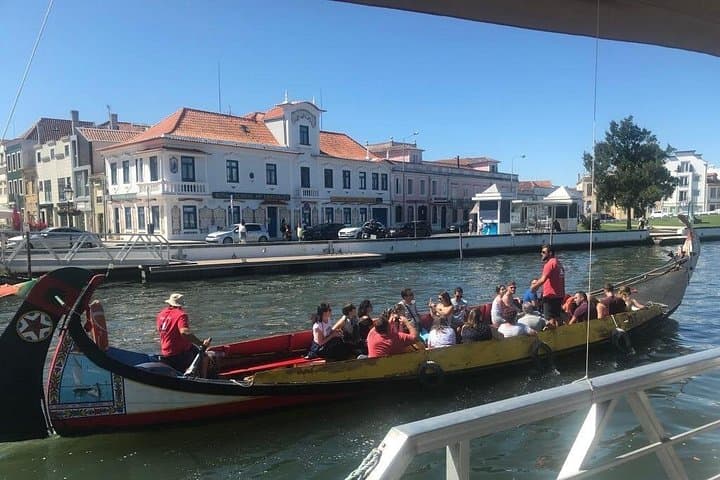
On a private full-day tour you’ll move deliberately between these contrasts: a canal ride or riverside walk, a visit to medieval cloisters and a children’s miniature park, plus time to sample ovos moles and seafood. Expect moderate pavement walking, some stairs at historic sites, and short photo stops. The pace is curated — cemetery-level precision for pickup and drop-off but flexible inside towns.
Practical tips: wear comfortable shoes for cobbles and steps, bring a light rain layer for Atlantic weather, and carry cash for small museums or local bakeries. Book ahead for Joanina Library access and time your day to avoid the hottest midday hours in summer. Respect fragile salt pans and historic interiors — these places reward a curious, steady gaze.
easy.
9–10 hours.
Suitable for most fitness levels; involves 2–4 miles of walking on uneven surfaces and stairs.
This private tour runs about 9–10 hours with hotel pickup and drop-off in Lisbon; it visits Aveiro and Coimbra with scheduled stops.
Admissions are typically not included—plan for separate ticket purchases for places like the Joanina Library or certain museums unless specified by the operator.
Yes; infant seats and stroller access are available, but expect stairs and some museum restrictions for prams.
Many itineraries include or offer a short moliceiro ride; confirm availability and seasonality when booking, especially in winter or low tourist periods.
Coimbra was Portugal’s early political center and later became a major European university hub; Aveiro’s economy historically revolved around salt production, fishing and canal commerce.
The Ria de Aveiro’s lagoon system is ecologically sensitive—stay on marked paths, support local salt producers and avoid disturbing shorebird habitat.
abc Travel operates guided outdoor trips and adventures with an emphasis on safety, stewardship, and memorable experiences.
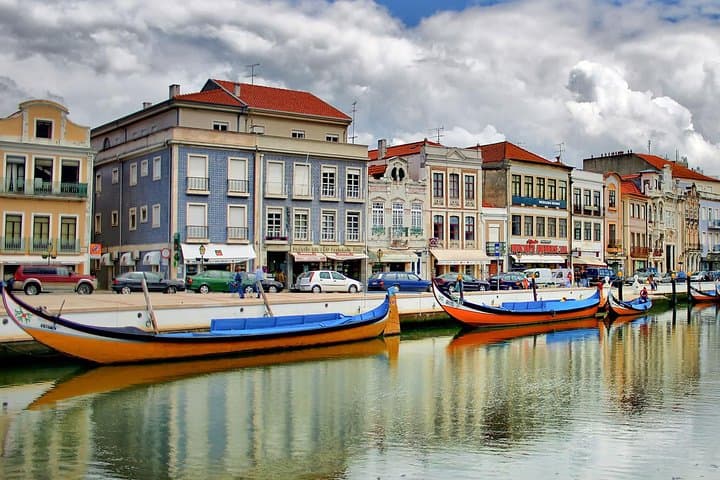
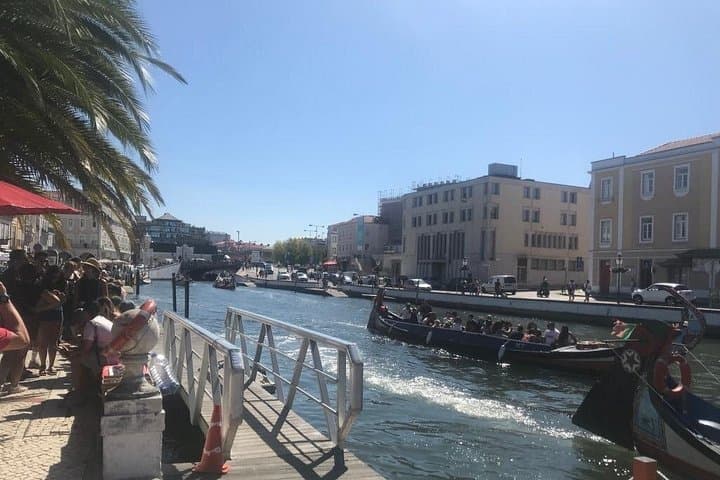
You step out of an air-conditioned van onto cobblestones that still remember Roman carts, and the narrow canals of Aveiro blink like veins of light against painted moliceiros. Salt-scented air and the surf’s distant voice remind you this is a city shaped by tides, while further inland Coimbra’s hilltop university looks down as it has for centuries — a city that taught a nation to read.
You step out of an air-conditioned van onto cobblestones that still remember Roman carts, and the narrow canals of Aveiro blink like veins of light against painted moliceiros. Salt-scented air and the surf’s distant voice remind you this is a city shaped by tides, while further inland Coimbra’s hilltop university looks down as it has for centuries — a city that taught a nation to read.
Aveiro grew around maritime trade, moliceiro boatmen and salt pans; its Art Nouveau facades and striped houses at Costa Nova reflect a 19th–20th century seaside culture. Coimbra, once Portugal’s capital, centers on the University of Coimbra and the ornate Joanina Library — Baroque woodwork and stacked volumes that speak to early modern scholarship. Geologically, the Ria de Aveiro is a lagoon system of shifting sands and reclaimed flats; the Mondego river carved Coimbra’s terraces and strategic sites.
On a private full-day tour you’ll move deliberately between these contrasts: a canal ride or riverside walk, a visit to medieval cloisters and a children’s miniature park, plus time to sample ovos moles and seafood. Expect moderate pavement walking, some stairs at historic sites, and short photo stops. The pace is curated — cemetery-level precision for pickup and drop-off but flexible inside towns.
Practical tips: wear comfortable shoes for cobbles and steps, bring a light rain layer for Atlantic weather, and carry cash for small museums or local bakeries. Book ahead for Joanina Library access and time your day to avoid the hottest midday hours in summer. Respect fragile salt pans and historic interiors — these places reward a curious, steady gaze.