THE ADVENTURE COLLECTIVE® · Independent discovery and booking for outdoor travel

A private day trip from Bath that pairs cinematic Cotswold villages with the vast, prehistoric rings of Avebury. Expect 5–7 hours of flexible exploration, uneven paths, and a mix of Neolithic stones and medieval lanes.
A private day trip from Bath that pairs cinematic Cotswold villages with the vast, prehistoric rings of Avebury. Expect 5–7 hours of flexible exploration, uneven paths, and a mix of Neolithic stones and medieval lanes.
You step out of Bath's Georgian hush into a green English morning as the car slides from the city streets into low, rolling farmland. Fields open like pages; hedgerows and dry-stone walls guide the road toward honey‑coloured villages. Castle Combe’s narrow lane and the burbling stream feel cinematic—stone cottages watch you pass—before the driver eases you into the wide, uncanny ring of Avebury.
Verified experiences and guided adventures in the surrounding area.
Operated by Swift Cars Bath · Bath, Somerset
You step out of Bath's Georgian hush into a green English morning as the car slides from the city streets into low, rolling farmland. Fields open like pages; hedgerows and dry-stone walls guide the road toward honey‑coloured villages. Castle Combe’s narrow lane and the burbling stream feel cinematic—stone cottages watch you pass—before the driver eases you into the wide, uncanny ring of Avebury.
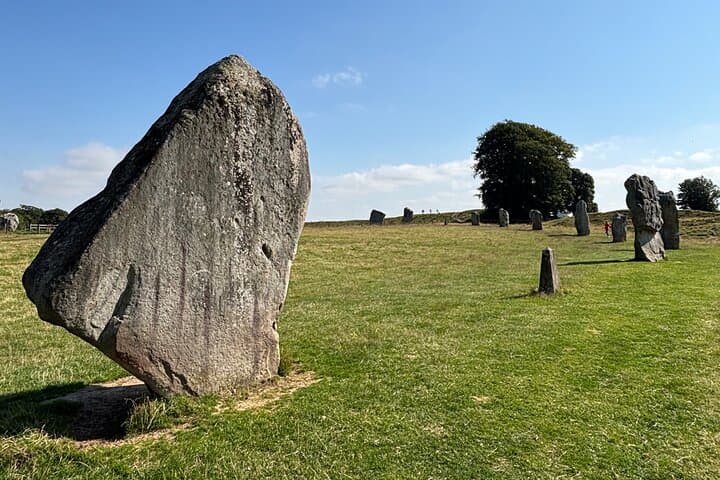
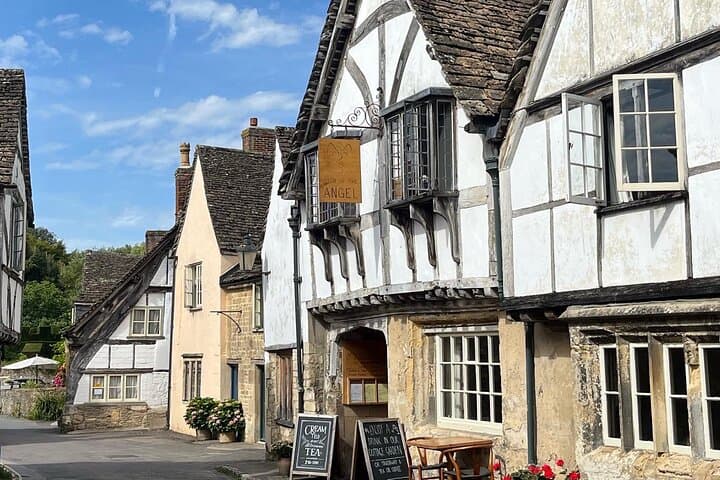
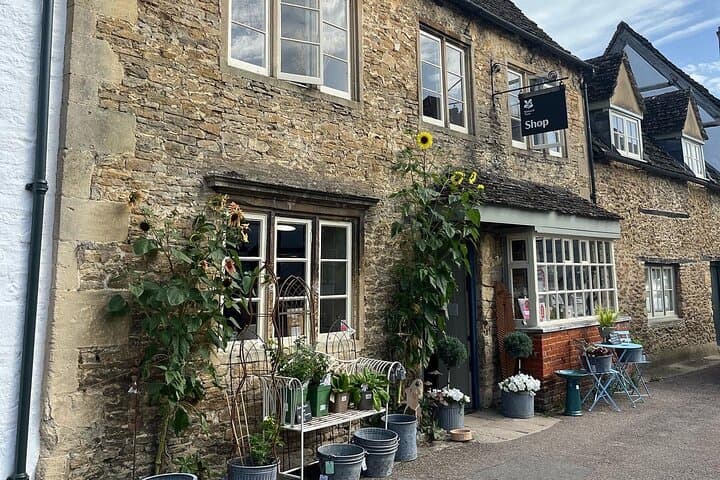
Avebury’s stone circles, older than the pyramids, sit within living fields; their presence is both archaeological and domestic. The monument dates from around 2850 BC and forms part of a UNESCO World Heritage landscape that includes avenues and barrows; the stones themselves are local sarsen, weathered by millennia of wind and rain. Lacock Village and Abbey add medieval and post‑medieval layers: Tudor and Gothic façades, cloisters that doubled for film sets, and a village culture centered on pubs and tearooms.
Culture here is small‑scale and tactile: market towns, parish churches, and National Trust sites. Geology reads as sculpted bedrock and glacial deposits that shaped the Cotswold escarpment and provided the building stone of the villages.
Practical guidance: plan for roughly 5–7 hours; wear sturdy shoes because paths at Avebury and Lacock can be uneven and muddy after rain. Bring a waterproof layer and cash for Abbey admission. Timing matters—mornings are quieter at Castle Combe; late afternoon light flatters village streets for photos. Your driver-run private tour keeps timings flexible, so prioritize the sites you want to explore on foot and use the vehicle to bridge the gaps between these living, ancestral landscapes.
easy.
5–7 hours.
Suitable for most fitness levels; involves short walks at each stop, mostly on uneven ground.
Pickup and drop-off are provided within Bath at your accommodation or a chosen location; the operator recommends a 9:00 AM start.
No—Lacock Abbey admission is not included in the tour price and is charged separately (around £20 for adults as listed by the venue).
Walking is moderate and flexible—short strolls in villages and longer walks around the Avebury stone circle; suitable for most walkers but expect uneven terrain.
Yes—the private tour model is flexible and the driver will adapt timings within the total tour duration so you can stay longer at preferred sites.
Avebury’s stone complex dates to around 2850 BC and is part of a World Heritage Site; Lacock Abbey was founded in the 13th century and has evolved through medieval and later periods.
Much of the area is managed by the National Trust and local councils—respect footpaths, avoid climbing stones, and follow signage to reduce erosion and protect archaeological features.
Swift Cars Bath operates guided outdoor trips and adventures with an emphasis on safety, stewardship, and memorable experiences.
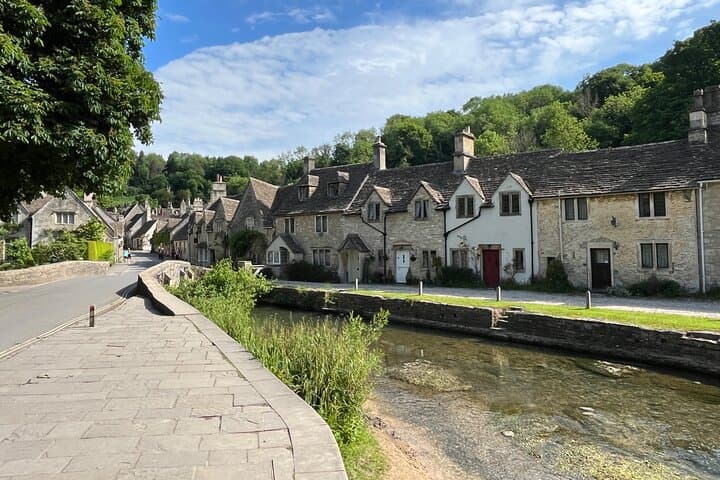
You step out of Bath's Georgian hush into a green English morning as the car slides from the city streets into low, rolling farmland. Fields open like pages; hedgerows and dry-stone walls guide the road toward honey‑coloured villages. Castle Combe’s narrow lane and the burbling stream feel cinematic—stone cottages watch you pass—before the driver eases you into the wide, uncanny ring of Avebury.
You step out of Bath's Georgian hush into a green English morning as the car slides from the city streets into low, rolling farmland. Fields open like pages; hedgerows and dry-stone walls guide the road toward honey‑coloured villages. Castle Combe’s narrow lane and the burbling stream feel cinematic—stone cottages watch you pass—before the driver eases you into the wide, uncanny ring of Avebury.
Avebury’s stone circles, older than the pyramids, sit within living fields; their presence is both archaeological and domestic. The monument dates from around 2850 BC and forms part of a UNESCO World Heritage landscape that includes avenues and barrows; the stones themselves are local sarsen, weathered by millennia of wind and rain. Lacock Village and Abbey add medieval and post‑medieval layers: Tudor and Gothic façades, cloisters that doubled for film sets, and a village culture centered on pubs and tearooms.
Culture here is small‑scale and tactile: market towns, parish churches, and National Trust sites. Geology reads as sculpted bedrock and glacial deposits that shaped the Cotswold escarpment and provided the building stone of the villages.
Practical guidance: plan for roughly 5–7 hours; wear sturdy shoes because paths at Avebury and Lacock can be uneven and muddy after rain. Bring a waterproof layer and cash for Abbey admission. Timing matters—mornings are quieter at Castle Combe; late afternoon light flatters village streets for photos. Your driver-run private tour keeps timings flexible, so prioritize the sites you want to explore on foot and use the vehicle to bridge the gaps between these living, ancestral landscapes.