THE ADVENTURE COLLECTIVE® · Independent discovery and booking for outdoor travel

Cross the Catalina Channel on a one-way Catalina Express ferry from Avalon to Long Beach. This hour-long ride blends coastal scenery, likely marine sightings, and simple onboard amenities — ideal for travelers moving between the island and the mainland.
Cross the Catalina Channel on a one-way Catalina Express ferry from Avalon to Long Beach. This hour-long ride blends coastal scenery, likely marine sightings, and simple onboard amenities — ideal for travelers moving between the island and the mainland.
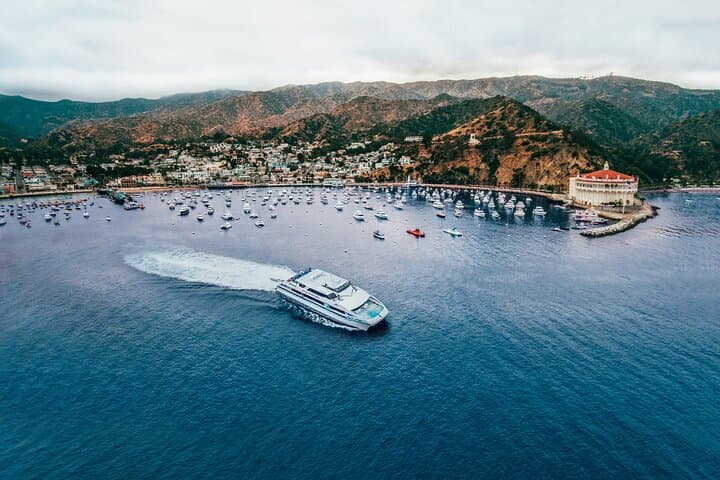
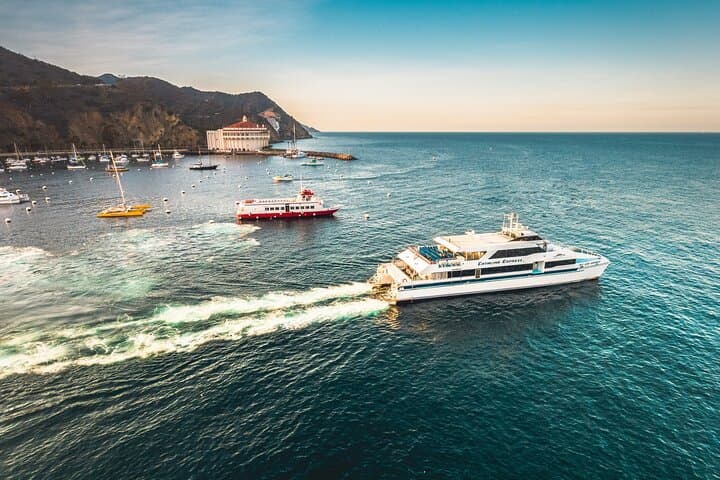
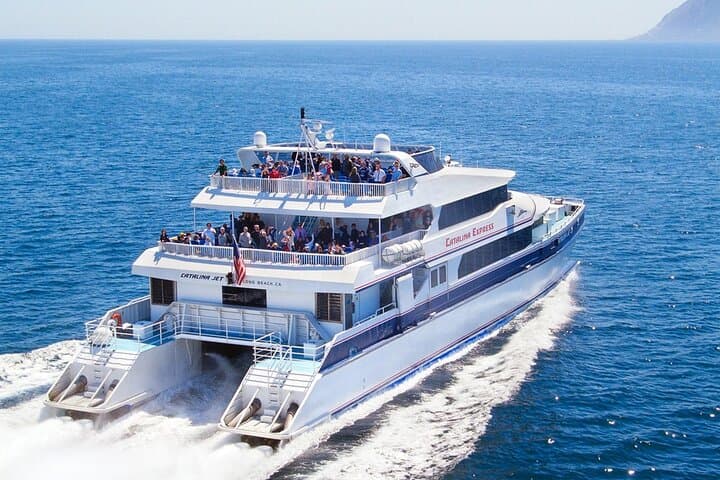
You step onto the polished dock at Avalon with Pacific spray in the air and the island’s low ridges behind you. The ferry’s hull nudges away from the cove; gulls wheel and the channel opens into flat, stainless-blue ocean. The crossing takes about an hour, and the rhythm of engines and wind sets a deliberate pace — long enough to watch Catalina recede and Long Beach’s skyline sharpen along the horizon.
Verified experiences and guided adventures in the surrounding area.
Operated by Catalina Express · Avalon, California
You step onto the polished dock at Avalon with Pacific spray in the air and the island’s low ridges behind you. The ferry’s hull nudges away from the cove; gulls wheel and the channel opens into flat, stainless-blue ocean. The crossing takes about an hour, and the rhythm of engines and wind sets a deliberate pace — long enough to watch Catalina recede and Long Beach’s skyline sharpen along the horizon.
Santa Catalina Island sits on a raised portion of the California continental shelf, shaped by Pleistocene uplift and marine erosion; its human story runs from the Tongva and Chumash people to 20th‑century development under William Wrigley Jr. The ride links two different coastal cultures: the island’s small-town, visitor-focused Avalon and Long Beach’s busy port and waterfront neighborhoods. Keep an eye for pods of dolphins that often swim the Catalina Channel and for the jagged fringing reefs near shore.
Practically, expect basic onboard amenities: indoor and outdoor seating, a small snack service, and restrooms. Boarding requires a printed or mobile QR ticket and arriving about 30 minutes early is standard. Dress in layers — the channel can be significantly windier and cooler than Avalon’s sheltered cove — and secure loose hats on the outer decks.
This one-way ferry is straightforward transport with scenic value. Use it when you need reliable passage off the island without extra transfers; bring motion-sickness remedies if you’re prone, and plan onward transit in Long Beach since the ferry deposits you at Catalina Landing on the waterfront.
easy.
1 hour.
No special fitness required — accessible to most travelers who can walk short distances and climb a few steps
The crossing from Avalon to Long Beach takes approximately 60 minutes, though schedules can vary seasonally.
You can use the QR code on your mobile device or a printed copy — gates require the ticket at boarding.
Yes, the vessel provides onboard restrooms for passenger use.
Yes; terminals and vessels are wheelchair accessible and can accommodate strollers and service animals.
Avalon sits on lands historically used by the Tongva people; the island’s modern tourist infrastructure expanded under 20th‑century owners like William Wrigley Jr.
Catalina and the channel are part of coastal marine management efforts; avoid feeding wildlife, pack out trash, and respect marine protected areas.
Catalina Express operates guided outdoor trips and adventures with an emphasis on safety, stewardship, and memorable experiences.

You step onto the polished dock at Avalon with Pacific spray in the air and the island’s low ridges behind you. The ferry’s hull nudges away from the cove; gulls wheel and the channel opens into flat, stainless-blue ocean. The crossing takes about an hour, and the rhythm of engines and wind sets a deliberate pace — long enough to watch Catalina recede and Long Beach’s skyline sharpen along the horizon.
You step onto the polished dock at Avalon with Pacific spray in the air and the island’s low ridges behind you. The ferry’s hull nudges away from the cove; gulls wheel and the channel opens into flat, stainless-blue ocean. The crossing takes about an hour, and the rhythm of engines and wind sets a deliberate pace — long enough to watch Catalina recede and Long Beach’s skyline sharpen along the horizon.
Santa Catalina Island sits on a raised portion of the California continental shelf, shaped by Pleistocene uplift and marine erosion; its human story runs from the Tongva and Chumash people to 20th‑century development under William Wrigley Jr. The ride links two different coastal cultures: the island’s small-town, visitor-focused Avalon and Long Beach’s busy port and waterfront neighborhoods. Keep an eye for pods of dolphins that often swim the Catalina Channel and for the jagged fringing reefs near shore.
Practically, expect basic onboard amenities: indoor and outdoor seating, a small snack service, and restrooms. Boarding requires a printed or mobile QR ticket and arriving about 30 minutes early is standard. Dress in layers — the channel can be significantly windier and cooler than Avalon’s sheltered cove — and secure loose hats on the outer decks.
This one-way ferry is straightforward transport with scenic value. Use it when you need reliable passage off the island without extra transfers; bring motion-sickness remedies if you’re prone, and plan onward transit in Long Beach since the ferry deposits you at Catalina Landing on the waterfront.