THE ADVENTURE COLLECTIVE® · Independent discovery and booking for outdoor travel

Step into Riga’s autumn woods with an experienced biologist-guide to hunt chanterelles and boletes. This four-hour guided foray blends practical ID training, local culinary tips, and sustainable harvesting on terrain typical of Latvia’s mixed forests.
Step into Riga’s autumn woods with an experienced biologist-guide to hunt chanterelles and boletes. This four-hour guided foray blends practical ID training, local culinary tips, and sustainable harvesting on terrain typical of Latvia’s mixed forests.
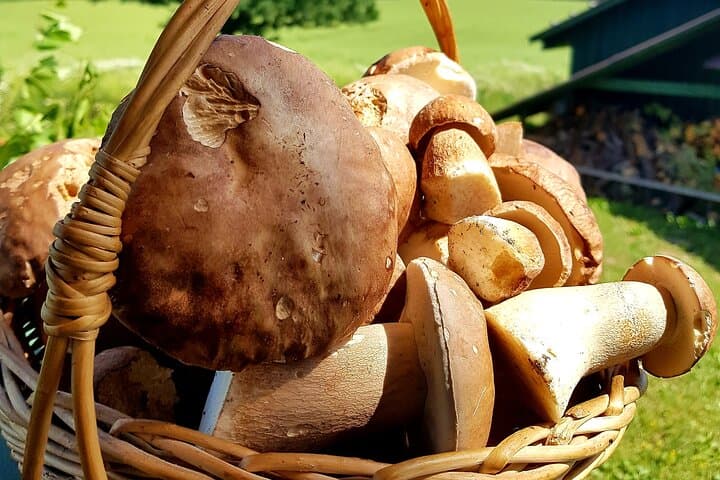
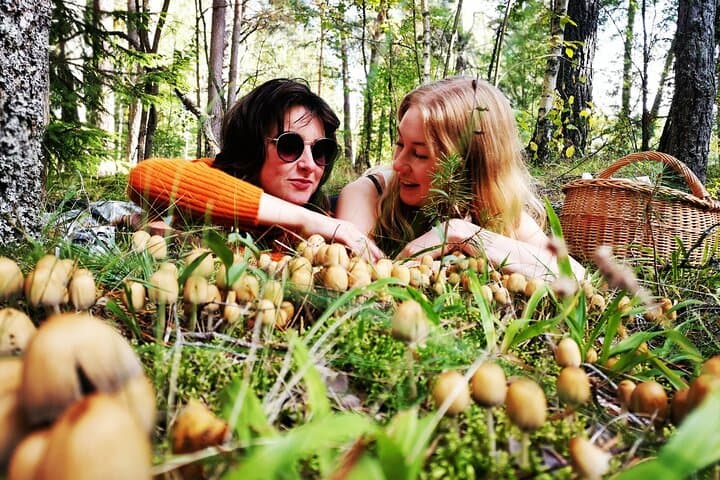
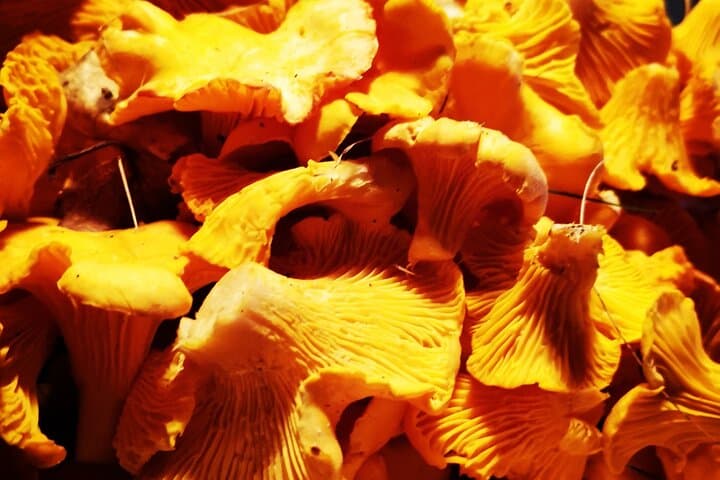
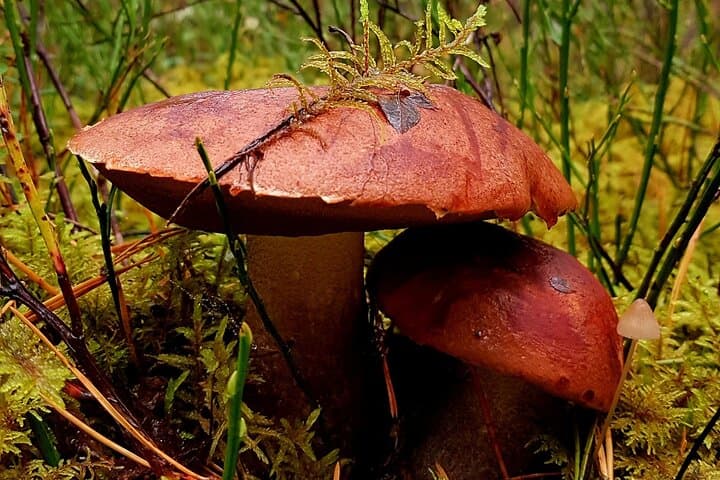
A cool, damp morning in a Latvian forest sharpens the senses: mist clings to pine trunks, leaf litter exhales earth-sweet perfume, and the ground seems to be quietly offering its harvest. Participants follow a guide through dim aisles of birch and spruce, baskets whispering against undergrowth as pockets of chanterelles and boletes reveal themselves after recent rain. The forest dares you to look closer and rewards careful eyes.
Verified experiences and guided adventures in the surrounding area.
Operated by Armands Latvia Guide · Riga, Riga
A cool, damp morning in a Latvian forest sharpens the senses: mist clings to pine trunks, leaf litter exhales earth-sweet perfume, and the ground seems to be quietly offering its harvest. Participants follow a guide through dim aisles of birch and spruce, baskets whispering against undergrowth as pockets of chanterelles and boletes reveal themselves after recent rain. The forest dares you to look closer and rewards careful eyes.
Foraging is a practical thread in Latvian life — families have gathered mushrooms for generations and local kitchens still prize seasonal finds. Geologically, the region’s glacial soils and mixed woodland create the right conditions for a diversity of fungi: well-drained sand and acidic humus favor chanterelles, while richer patches yield porcini-like boletes. The guide on this tour is trained in biology and layers local stories with identification rules, etiquette and food traditions.
Expect a cultural mix: short classroom checks of specimens, hands-on sorting, and a briefing on how locals prepare simple mushroom dishes if you’re staying in a place with a kitchen. Hidden ridges, damp clearings and the edge of bogs are common spots where fruiting bodies appear; the group moves deliberately, pausing to inspect and discuss.
Practical note: this is a moderate, on-foot activity of about four hours with some uneven, muddy terrain. Wear waterproof boots, dress in layers, bring a small knife and a breathable basket or paper bags, and carry water. The guide enforces safe-identification practices — never eat wild mushrooms without confirmation — and emphasizes sustainable harvesting: take only what you’ll use and leave young specimens to grow.
moderate.
4 hours.
Participants should have moderate fitness for walking on uneven, sometimes muddy terrain and be able to stand and crouch repeatedly.
The guide will check all finds; eat only mushrooms the guide confirms as safe and suitable for consumption.
The tour information lists transport amenities and often includes pick-up details — check your booking confirmation for exact pickup options.
Yes — families and youth are welcome, though infants must sit on laps and the tour recommends moderate fitness levels for participants.
Rain is common and can improve mushroom availability; wear rain gear. The provider recommends raincoats and may continue unless conditions are unsafe.
Foraging has long been part of rural Latvian culture; families pass down knowledge of edible species and preservation methods.
Guides emphasize sustainable harvesting: take moderate quantities, avoid overpicking, and follow local rules to protect sensitive habitats.
Armands Latvia Guide operates guided outdoor trips and adventures with an emphasis on safety, stewardship, and memorable experiences.
A cool, damp morning in a Latvian forest sharpens the senses: mist clings to pine trunks, leaf litter exhales earth-sweet perfume, and the ground seems to be quietly offering its harvest. Participants follow a guide through dim aisles of birch and spruce, baskets whispering against undergrowth as pockets of chanterelles and boletes reveal themselves after recent rain. The forest dares you to look closer and rewards careful eyes.
A cool, damp morning in a Latvian forest sharpens the senses: mist clings to pine trunks, leaf litter exhales earth-sweet perfume, and the ground seems to be quietly offering its harvest. Participants follow a guide through dim aisles of birch and spruce, baskets whispering against undergrowth as pockets of chanterelles and boletes reveal themselves after recent rain. The forest dares you to look closer and rewards careful eyes.
Foraging is a practical thread in Latvian life — families have gathered mushrooms for generations and local kitchens still prize seasonal finds. Geologically, the region’s glacial soils and mixed woodland create the right conditions for a diversity of fungi: well-drained sand and acidic humus favor chanterelles, while richer patches yield porcini-like boletes. The guide on this tour is trained in biology and layers local stories with identification rules, etiquette and food traditions.
Expect a cultural mix: short classroom checks of specimens, hands-on sorting, and a briefing on how locals prepare simple mushroom dishes if you’re staying in a place with a kitchen. Hidden ridges, damp clearings and the edge of bogs are common spots where fruiting bodies appear; the group moves deliberately, pausing to inspect and discuss.
Practical note: this is a moderate, on-foot activity of about four hours with some uneven, muddy terrain. Wear waterproof boots, dress in layers, bring a small knife and a breathable basket or paper bags, and carry water. The guide enforces safe-identification practices — never eat wild mushrooms without confirmation — and emphasizes sustainable harvesting: take only what you’ll use and leave young specimens to grow.