THE ADVENTURE COLLECTIVE® · Independent discovery and booking for outdoor travel

Try dog driving before the snow falls: a 3‑hour sit-and-drive cart tour from Kiruna that pairs hands-on kennel time with a 45‑minute forest run. Swap driving and sitting, feed the dogs, and warm up with coffee and a cinnamon roll.
Try dog driving before the snow falls: a 3‑hour sit-and-drive cart tour from Kiruna that pairs hands-on kennel time with a 45‑minute forest run. Swap driving and sitting, feed the dogs, and warm up with coffee and a cinnamon roll.
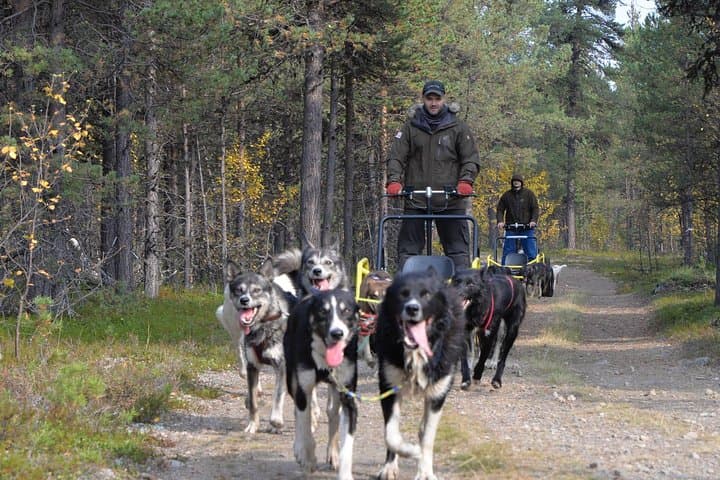
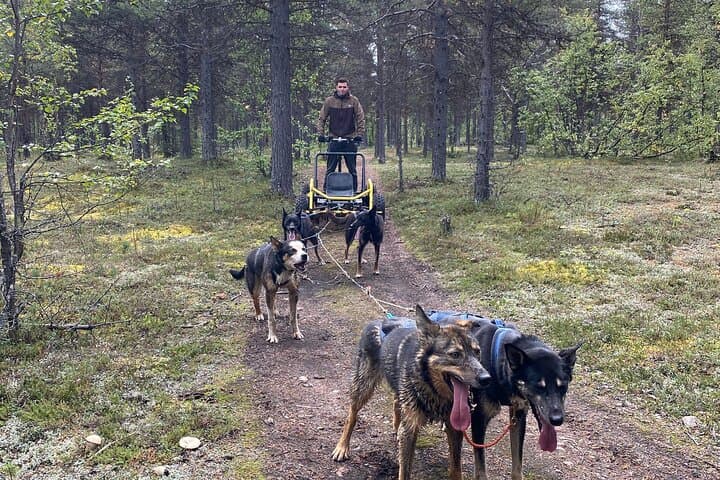
The cart bumps onto a narrow forest track and the lead dogs surge forward, tongues out and harnesses clicking — a raw, immediate kind of joy that feels more like teamwork than spectacle.
Verified experiences and guided adventures in the surrounding area.
Operated by Husky Tours Lapland · Kiruna, Norrbotten County
The cart bumps onto a narrow forest track and the lead dogs surge forward, tongues out and harnesses clicking — a raw, immediate kind of joy that feels more like teamwork than spectacle.
This autumn sit-and-drive cart tour out of Kiruna places you at a working husky kennel on the edge of boreal forest. The landscape is typical of northern Sweden: low, glacially-scoured terrain, mixed spruce and pine, patches of bog and bedrock exposures. Dog mushing here grew from Sámi and long‑distance transport traditions, evolving into recreational sled and cart driving as roads and seasons changed.
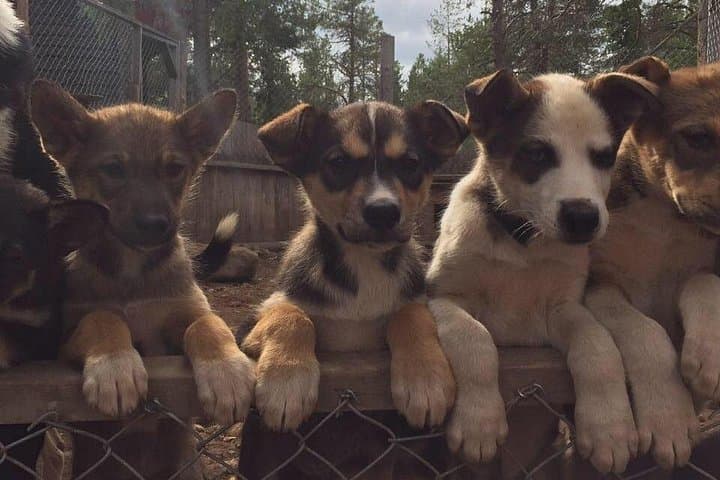
Expect to spend about three hours with the team: kennel orientation, harnessing, a roughly 45-minute run on forest trails (participants swap between sitting and driving), then feeding and unharnessing the dogs, a kennel visit to see puppies and younger dogs, and tea and a cinnamon roll by the fire. Trails are packed dirt, rooty and sometimes muddy in autumn; elevation is modest with short rolling sections rather than steep climbs. The pace is brisk when the dogs push, slower when you’re learning to steer.
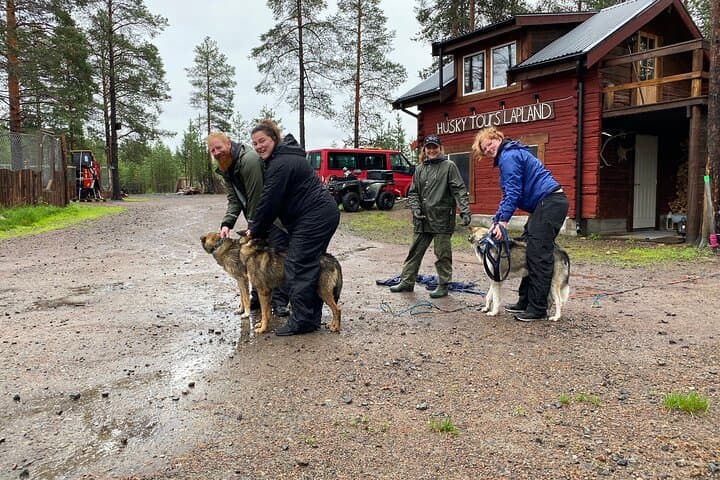
Practically, arrive with waterproof outer layers and sturdy footwear you don’t mind getting dog‑mucky. Bring a small daypack for extra layers, and plan for weather that can flip from cool and clear to wet in minutes. The experience is hands‑on: you’ll help harness dogs, learn basic cart handling, and can ask the musher about dog care and kennel life. It’s a compact, tactile way to meet northern Sweden’s dogs and landscapes before winter turns the carts into sleds.
moderate.
3 hours.
Moderate fitness—able to stand, walk short distances and assist with harnessing; not strenuous but hands‑on.
The active drive on forest trails is about 45 minutes total, with participants swapping roles so both can drive and sit.
Children can join but infants up to 4 years must sit on an adult's lap; children should be supervised and able to follow safety instructions.
No prior experience is required; the musher provides instruction and guidance before you head out.
The operator runs in most weather but may cancel for safety; dress for rain and mud and check confirmation communications before arrival.
Dog driving in northern Sweden has roots in Sámi transport and hunting practices; modern kennels combine that heritage with recreational mushing and working dog breeding.
The kennel operates on managed forest trails—respect vegetation and stay on routes to limit erosion and disturbance to nesting birds and bog habitats.
Husky Tours Lapland operates guided outdoor trips and adventures with an emphasis on safety, stewardship, and memorable experiences.
The cart bumps onto a narrow forest track and the lead dogs surge forward, tongues out and harnesses clicking — a raw, immediate kind of joy that feels more like teamwork than spectacle.
The cart bumps onto a narrow forest track and the lead dogs surge forward, tongues out and harnesses clicking — a raw, immediate kind of joy that feels more like teamwork than spectacle.
This autumn sit-and-drive cart tour out of Kiruna places you at a working husky kennel on the edge of boreal forest. The landscape is typical of northern Sweden: low, glacially-scoured terrain, mixed spruce and pine, patches of bog and bedrock exposures. Dog mushing here grew from Sámi and long‑distance transport traditions, evolving into recreational sled and cart driving as roads and seasons changed.
Expect to spend about three hours with the team: kennel orientation, harnessing, a roughly 45-minute run on forest trails (participants swap between sitting and driving), then feeding and unharnessing the dogs, a kennel visit to see puppies and younger dogs, and tea and a cinnamon roll by the fire. Trails are packed dirt, rooty and sometimes muddy in autumn; elevation is modest with short rolling sections rather than steep climbs. The pace is brisk when the dogs push, slower when you’re learning to steer.
Practically, arrive with waterproof outer layers and sturdy footwear you don’t mind getting dog‑mucky. Bring a small daypack for extra layers, and plan for weather that can flip from cool and clear to wet in minutes. The experience is hands‑on: you’ll help harness dogs, learn basic cart handling, and can ask the musher about dog care and kennel life. It’s a compact, tactile way to meet northern Sweden’s dogs and landscapes before winter turns the carts into sleds.