THE ADVENTURE COLLECTIVE® · Independent discovery and booking for outdoor travel

Walk through Kyoto’s most celebrated autumn sites—Nanzen-ji, Tenjuan, Eikando and the Ginkakuji approach—on a private guided tour that pairs seasonal color with cultural insight. Expect mossy courtyards, maple-lined paths and traditional tea-house streets.
Walk through Kyoto’s most celebrated autumn sites—Nanzen-ji, Tenjuan, Eikando and the Ginkakuji approach—on a private guided tour that pairs seasonal color with cultural insight. Expect mossy courtyards, maple-lined paths and traditional tea-house streets.
A thin chill rides the alleyways as maple leaves flirt with wind and light—this private autumn walk through Kyoto moves like a quiet performance. You start beneath the broad wooden Sanmon and the brick-lined Meiji aqueduct at Nanzen-ji, where moss carpets and stone steps slow your pace. Tenjuan’s small gardens follow: a koi-filled pond and bamboo grove that feel deliberately small but deeply composed.
Verified experiences and guided adventures in the surrounding area.
Operated by OTOMO Travel Guide · Kyoto, Kyoto Prefecture
A thin chill rides the alleyways as maple leaves flirt with wind and light—this private autumn walk through Kyoto moves like a quiet performance. You start beneath the broad wooden Sanmon and the brick-lined Meiji aqueduct at Nanzen-ji, where moss carpets and stone steps slow your pace. Tenjuan’s small gardens follow: a koi-filled pond and bamboo grove that feel deliberately small but deeply composed.
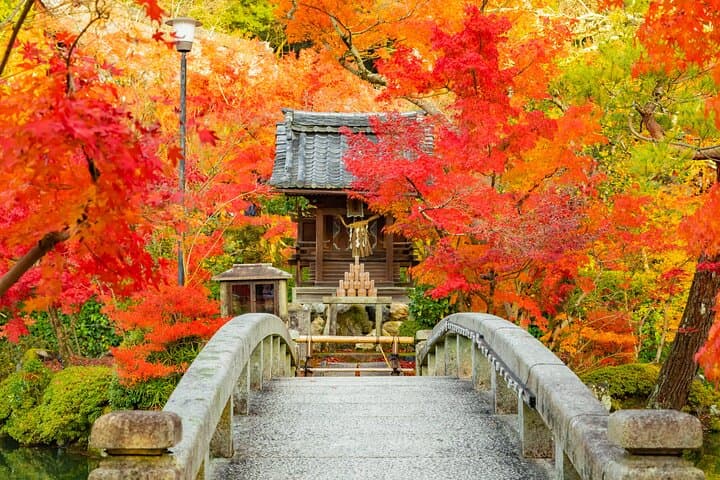
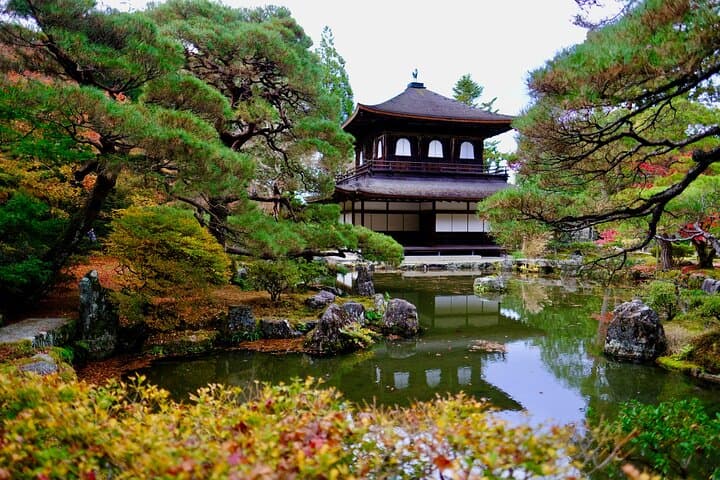
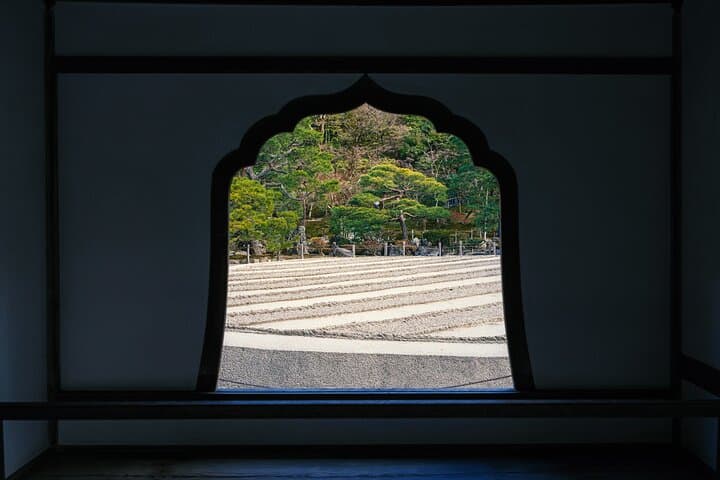
Eikando (Zenrin-ji) holds a longer lineage—founded in the ninth century—with maples that turn incendiary each November and a reclining Amida statue whose sideways gaze shapes the temple’s calm. The route finishes along the approach to Ginkakuji, the Silver Pavilion’s path of tea houses and craft stalls opening onto raked sand and hillside views. The architecture and gardens reflect medieval tastes—wabi-sabi lines, Zen rock composition—and sit within the Kyoto basin’s volcanic soils and river-fed valleys that helped settle the city here.
Expect steady walking across paved temple approaches, stone steps, and garden gravel; the tour runs about 5–6 hours and uses public transport between sites. Practice modest temple etiquette, carry cash for small shops and admissions (not always card-friendly), and time visits for early morning or late afternoon light to avoid peak crowds. Layer for temperature swings, bring a small tripod if you photograph low-light illuminations, and move deliberately—these places reward attention more than speed.
easy.
5–6 hours.
Light to moderate walking fitness; able to manage several flights of stone steps and up to a few miles of walking spread across the day.
No; entrance fees and any purchases at shops or tea houses are typically paid by the guest, so bring cash for admission where noted.
Yes; the tour is rated easy and suitable for most fitness levels but does involve walking on uneven steps—notify the guide of mobility concerns in advance.
Yes; guides will propose alternative nearby temples or routes if a site is closed or weather conditions require a change.
Early morning and late afternoon provide the best light and fewer crowds; evening illuminations at Eikando are popular but busier.
Eikando (Zenrin-ji) dates to 863 and is famed for its autumn maples; Nanzen-ji’s Sanmon Gate and Meiji-era aqueduct reflect Kyoto’s layered religious and modernization history; Ginkakuji was established by shogun Ashikaga Yoshimasa in the 15th century.
High foot traffic in autumn stresses moss beds and garden edges—stay on paths, avoid stepping on moss, and pack out any waste. Support small local shops and follow temple rules to help preserve delicate garden features.
OTOMO Travel Guide operates guided outdoor trips and adventures with an emphasis on safety, stewardship, and memorable experiences.
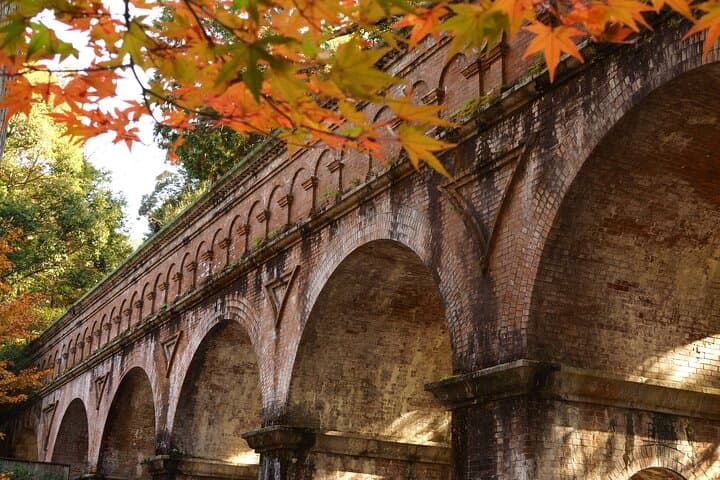
A thin chill rides the alleyways as maple leaves flirt with wind and light—this private autumn walk through Kyoto moves like a quiet performance. You start beneath the broad wooden Sanmon and the brick-lined Meiji aqueduct at Nanzen-ji, where moss carpets and stone steps slow your pace. Tenjuan’s small gardens follow: a koi-filled pond and bamboo grove that feel deliberately small but deeply composed.
A thin chill rides the alleyways as maple leaves flirt with wind and light—this private autumn walk through Kyoto moves like a quiet performance. You start beneath the broad wooden Sanmon and the brick-lined Meiji aqueduct at Nanzen-ji, where moss carpets and stone steps slow your pace. Tenjuan’s small gardens follow: a koi-filled pond and bamboo grove that feel deliberately small but deeply composed.
Eikando (Zenrin-ji) holds a longer lineage—founded in the ninth century—with maples that turn incendiary each November and a reclining Amida statue whose sideways gaze shapes the temple’s calm. The route finishes along the approach to Ginkakuji, the Silver Pavilion’s path of tea houses and craft stalls opening onto raked sand and hillside views. The architecture and gardens reflect medieval tastes—wabi-sabi lines, Zen rock composition—and sit within the Kyoto basin’s volcanic soils and river-fed valleys that helped settle the city here.
Expect steady walking across paved temple approaches, stone steps, and garden gravel; the tour runs about 5–6 hours and uses public transport between sites. Practice modest temple etiquette, carry cash for small shops and admissions (not always card-friendly), and time visits for early morning or late afternoon light to avoid peak crowds. Layer for temperature swings, bring a small tripod if you photograph low-light illuminations, and move deliberately—these places reward attention more than speed.