THE ADVENTURE COLLECTIVE® · Independent discovery and booking for outdoor travel

Glide above Grande-Terre in an autogyro on a private 25-minute discovery flight. Enjoy near-360° views of lagoons, pink salt ponds and the jagged coastline with practical tips for planning and what to expect.
Glide above Grande-Terre in an autogyro on a private 25-minute discovery flight. Enjoy near-360° views of lagoons, pink salt ponds and the jagged coastline with practical tips for planning and what to expect.
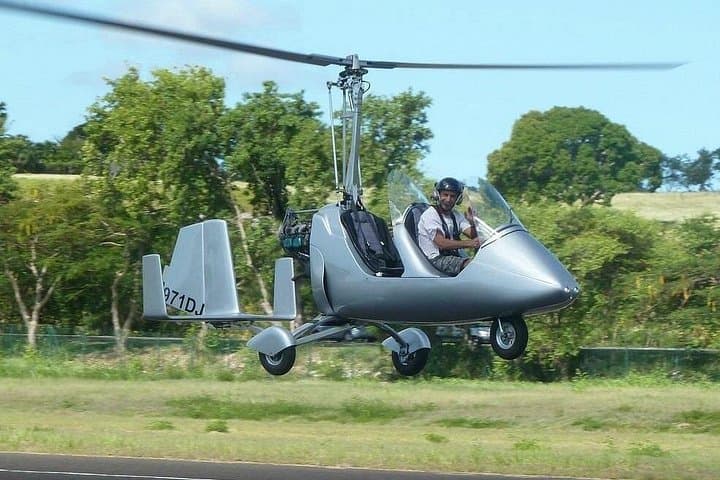
You lift off low above a rim of reef and the ocean opens into the vivid greens and blues of Grande-Terre's lagoons. The autogyro hums comfortably beneath you, blades slicing the air as salt flats and pink-hued ponds unfold below, and the coastline arcs toward a rocky headland crowned by an old cross.
Verified experiences and guided adventures in the surrounding area.
Operated by Gyro-Alizés · Saint-François, Guadeloupe
You lift off low above a rim of reef and the ocean opens into the vivid greens and blues of Grande-Terre's lagoons. The autogyro hums comfortably beneath you, blades slicing the air as salt flats and pink-hued ponds unfold below, and the coastline arcs toward a rocky headland crowned by an old cross.
Grande-Terre is a limestone platform—gentler and more open than volcanic Basse-Terre—shaped by corals, wind and centuries of salt harvesting. From the air you can read its history: colonial roads, scattered villages, and long narrow ponds used for evaporating salt. Local culture is coastal and maritime; fishermen still set out early, and seaside communes like Saint-François grew around harbors rather than mountains.
The autogyro itself is forgiving in turbulence and offers a near-360° panorama; pilots often point out reef breaks, sheltered coves, and the pale stretches of salt pans. Expect clear views of Pointe des Châteaux, lagoons, and the patchwork of mangroves that protect nursery grounds for fish and turtles.
Practical guidance: flights run about 25 minutes in the air though plan for check-in and briefing—allow 60–90 minutes total. Bring a windproof jacket and secure your phone with the operator's safety cords. Morning flights give cleaner air and calmer seas for photos; afternoons can build sea breezes. Operators require basic weight and name info; service animals and wheelchair access are commonly supported. If conservation matters to you, choose licensed operators who brief passengers on wildlife distance and avoid low passes over nesting areas.
easy.
25 minutes (flight); allow 1–1.5 hours total.
Suitable for people with basic mobility; boarding is simple but operators may request weight details
The airborne portion is about 25 minutes; plan for briefing, boarding and post-flight time—expect 60 to 90 minutes onsite.
Autogyros are generally stable and tolerant of turbulence, but flights are canceled in poor weather for safety and full refunds apply if canceled at least 24 hours prior.
Operators commonly allow infants and service animals and advertise wheelchair accessibility, but you'll need to provide specifics and follow the operator's boarding procedures.
Yes; pilots use headsets for communication and operators supply safety cords for phones and cameras—ask before your flight for recommended settings.
Grande-Terre's low limestone landscape and salt pans reflect a colonial economy built around salt and coastal trade, distinct from Basse-Terre's volcanic terrain and plantations.
Choose licensed operators who avoid low passes over nesting sites; stick to briefing guidance to minimize wildlife disturbance and support responsible tourism.
Gyro-Alizés operates guided outdoor trips and adventures with an emphasis on safety, stewardship, and memorable experiences.
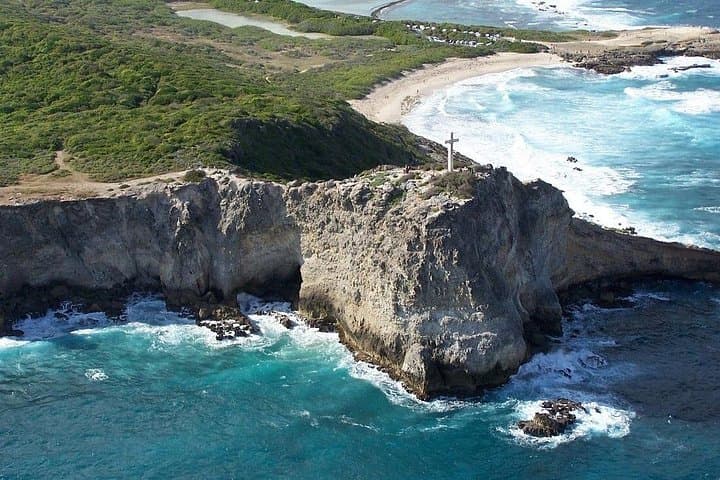
You lift off low above a rim of reef and the ocean opens into the vivid greens and blues of Grande-Terre's lagoons. The autogyro hums comfortably beneath you, blades slicing the air as salt flats and pink-hued ponds unfold below, and the coastline arcs toward a rocky headland crowned by an old cross.
You lift off low above a rim of reef and the ocean opens into the vivid greens and blues of Grande-Terre's lagoons. The autogyro hums comfortably beneath you, blades slicing the air as salt flats and pink-hued ponds unfold below, and the coastline arcs toward a rocky headland crowned by an old cross.
Grande-Terre is a limestone platform—gentler and more open than volcanic Basse-Terre—shaped by corals, wind and centuries of salt harvesting. From the air you can read its history: colonial roads, scattered villages, and long narrow ponds used for evaporating salt. Local culture is coastal and maritime; fishermen still set out early, and seaside communes like Saint-François grew around harbors rather than mountains.
The autogyro itself is forgiving in turbulence and offers a near-360° panorama; pilots often point out reef breaks, sheltered coves, and the pale stretches of salt pans. Expect clear views of Pointe des Châteaux, lagoons, and the patchwork of mangroves that protect nursery grounds for fish and turtles.
Practical guidance: flights run about 25 minutes in the air though plan for check-in and briefing—allow 60–90 minutes total. Bring a windproof jacket and secure your phone with the operator's safety cords. Morning flights give cleaner air and calmer seas for photos; afternoons can build sea breezes. Operators require basic weight and name info; service animals and wheelchair access are commonly supported. If conservation matters to you, choose licensed operators who brief passengers on wildlife distance and avoid low passes over nesting areas.