THE ADVENTURE COLLECTIVE® · Independent discovery and booking for outdoor travel

Step into a Meiji-era machiya for a hands-on kimono fitting and a guided tea ceremony at Tondaya in Kyoto’s Nishijin district. This 90-minute experience pairs textile history with the refined choreography of chanoyu.
Step into a Meiji-era machiya for a hands-on kimono fitting and a guided tea ceremony at Tondaya in Kyoto’s Nishijin district. This 90-minute experience pairs textile history with the refined choreography of chanoyu.
Sunlight slips through the latticed shoji and rests on polished tatami as guests are fitted into silk kimono inside a 19th-century machiya. Tondaya’s rooms hold the quiet geometry of Japanese domestic life; the hush prepares the senses before the whisk of matcha and the deliberate movements of the host take over.
Verified experiences and guided adventures in the surrounding area.
Operated by 冨田屋 · Kyoto, Kyoto Prefecture
Sunlight slips through the latticed shoji and rests on polished tatami as guests are fitted into silk kimono inside a 19th-century machiya. Tondaya’s rooms hold the quiet geometry of Japanese domestic life; the hush prepares the senses before the whisk of matcha and the deliberate movements of the host take over.
The house itself carries history: originally part of Kyoto’s Nishijin textile district, Tondaya’s kimono business dates back roughly 140 years and the building is registered as a National Cultural Heritage site. That lineage converges with chanoyu—the ritualized tea ceremony shaped by wabi-sabi aesthetics and the etiquette of the tea room. Kyoto’s basin geography channels gentle breezes from the surrounding hills, and seasonal light often becomes part of the experience inside the machiya’s sliding panels.
Visitors should expect a 90-minute group program: a quick kimono fitting, a short guided tour of the machiya, time for photographs, and a demonstration of—and participation in—the tea ceremony. Practically, socks (tabi) are required to protect historic floors, and the space is compact and accessible to most mobility levels. Photography is welcome but discreet behavior is requested; follow the instructor’s cues for posture and where to sit.
This is a close-up, tactile encounter with Kyoto culture—textiles, architecture, and ritual—perfect for travelers who want an intimate, well-preserved introduction to traditional Japanese lifestyle with clear practical expectations for timing, etiquette, and comfort.
easy.
1–1.5 hours.
Minimal physical fitness required; able to kneel briefly or sit on low seating is helpful
The program runs approximately 90 minutes, but timing can vary slightly depending on group size and fitting time.
Yes—infants and small children are allowed; strollers fit in the space, but seating is compact so consider mobility and noise levels.
No—staff fit the kimono and provide basic guidance; an introductory video or demonstration explains how to wear it and the ceremony etiquette.
The activity is described as physically easy, but the machiya has low thresholds and limited space—contact the operator for specific accessibility arrangements or private sessions.
Tondaya began as a Nishijin kimono wholesaler over a century ago; the machiya is registered as a National Cultural Heritage site and listed as a Structure of Landscape Importance in Kyoto.
The site emphasizes preservation—removing shoes and wearing socks protects historic tatami and interiors; visitors should follow instructions to minimize wear and respect fragile surfaces.
冨田屋 operates guided outdoor trips and adventures with an emphasis on safety, stewardship, and memorable experiences.
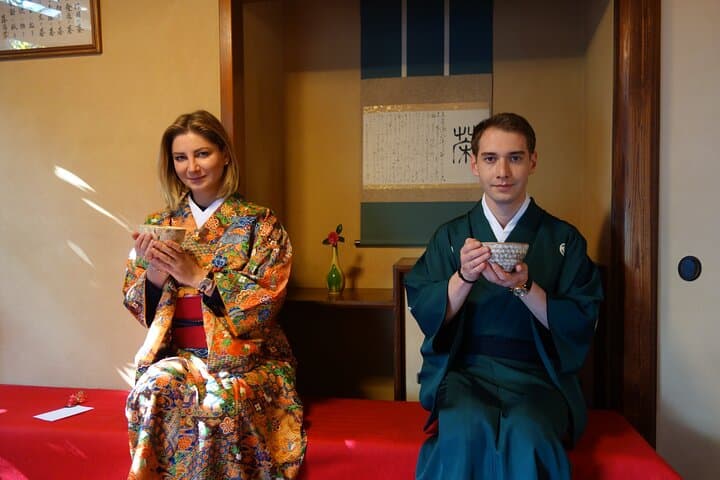
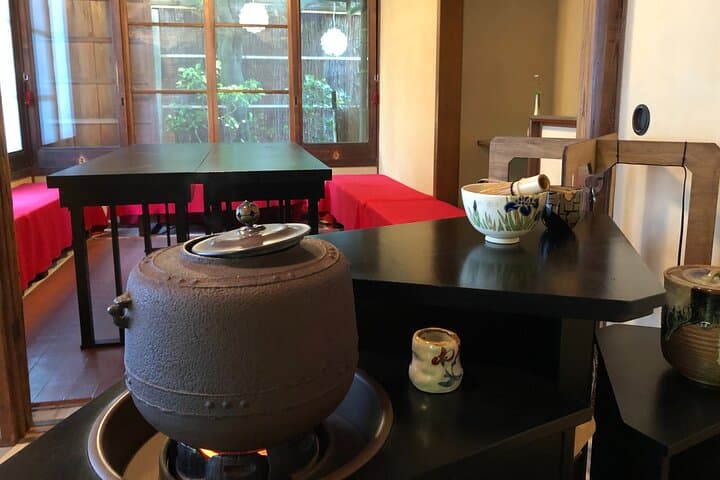
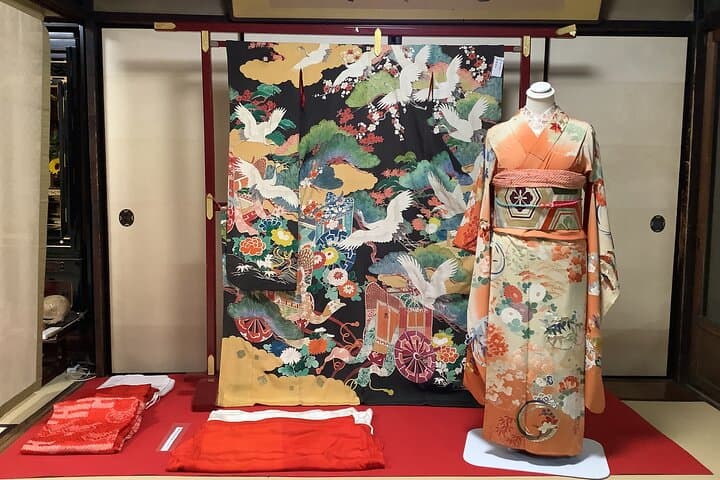
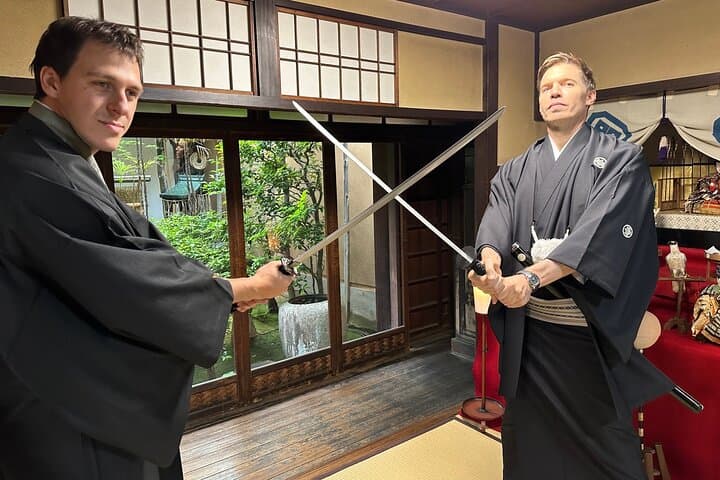
Sunlight slips through the latticed shoji and rests on polished tatami as guests are fitted into silk kimono inside a 19th-century machiya. Tondaya’s rooms hold the quiet geometry of Japanese domestic life; the hush prepares the senses before the whisk of matcha and the deliberate movements of the host take over.
Sunlight slips through the latticed shoji and rests on polished tatami as guests are fitted into silk kimono inside a 19th-century machiya. Tondaya’s rooms hold the quiet geometry of Japanese domestic life; the hush prepares the senses before the whisk of matcha and the deliberate movements of the host take over.
The house itself carries history: originally part of Kyoto’s Nishijin textile district, Tondaya’s kimono business dates back roughly 140 years and the building is registered as a National Cultural Heritage site. That lineage converges with chanoyu—the ritualized tea ceremony shaped by wabi-sabi aesthetics and the etiquette of the tea room. Kyoto’s basin geography channels gentle breezes from the surrounding hills, and seasonal light often becomes part of the experience inside the machiya’s sliding panels.
Visitors should expect a 90-minute group program: a quick kimono fitting, a short guided tour of the machiya, time for photographs, and a demonstration of—and participation in—the tea ceremony. Practically, socks (tabi) are required to protect historic floors, and the space is compact and accessible to most mobility levels. Photography is welcome but discreet behavior is requested; follow the instructor’s cues for posture and where to sit.
This is a close-up, tactile encounter with Kyoto culture—textiles, architecture, and ritual—perfect for travelers who want an intimate, well-preserved introduction to traditional Japanese lifestyle with clear practical expectations for timing, etiquette, and comfort.