THE ADVENTURE COLLECTIVE® · Independent discovery and booking for outdoor travel

Spend an evening in San Telmo learning basic tango in a private mansion class, then attend a local milonga with live music and a final show. This guided experience balances instruction, cultural context, and an authentic night dancing alongside Porteños.
Spend an evening in San Telmo learning basic tango in a private mansion class, then attend a local milonga with live music and a final show. This guided experience balances instruction, cultural context, and an authentic night dancing alongside Porteños.
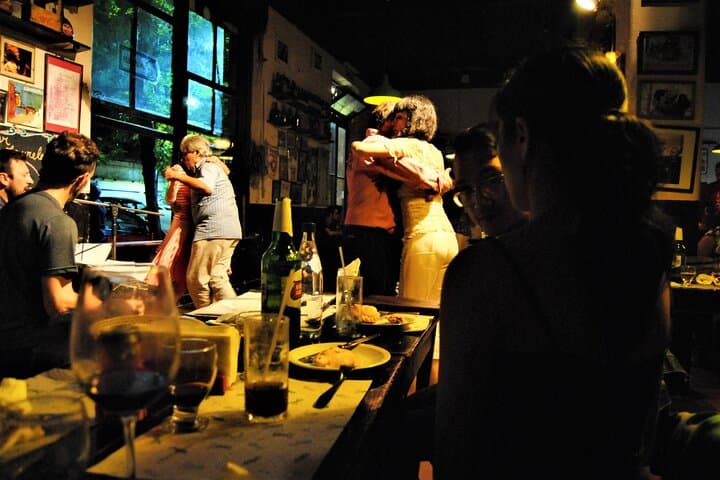
You step off a cobbled lane into a quiet mansion terrace where the city’s rhythm shifts—wood floors creak, a band tunes, and the air smells of coffee and varnish. The instructor greets the group, a mix of travelers and locals, and the room opens into the measured conversation of tango: two steps forward, a pause, a look. By nightfall you’ll be in a milonga, the city’s communal dance hall, where lines of heads connect and strangers exchange a single nod before the music pulls them across the floor.
Verified experiences and guided adventures in the surrounding area.
Operated by Tango 10 Argentina · Buenos Aires, Ciudad Autónoma de Buenos Aires
You step off a cobbled lane into a quiet mansion terrace where the city’s rhythm shifts—wood floors creak, a band tunes, and the air smells of coffee and varnish. The instructor greets the group, a mix of travelers and locals, and the room opens into the measured conversation of tango: two steps forward, a pause, a look. By nightfall you’ll be in a milonga, the city’s communal dance hall, where lines of heads connect and strangers exchange a single nod before the music pulls them across the floor.
Tango was born in Río de la Plata port neighborhoods in the late 19th century, shaped by European immigrants, Afro-Argentine influences, and the improvisational spirit of working-class Buenos Aires. San Telmo’s stone streets and low-rise masonry speak to that history; the neighborhood sits on the flat sediment of the estuary plain, where sounds travel and crowds gather in plazas.
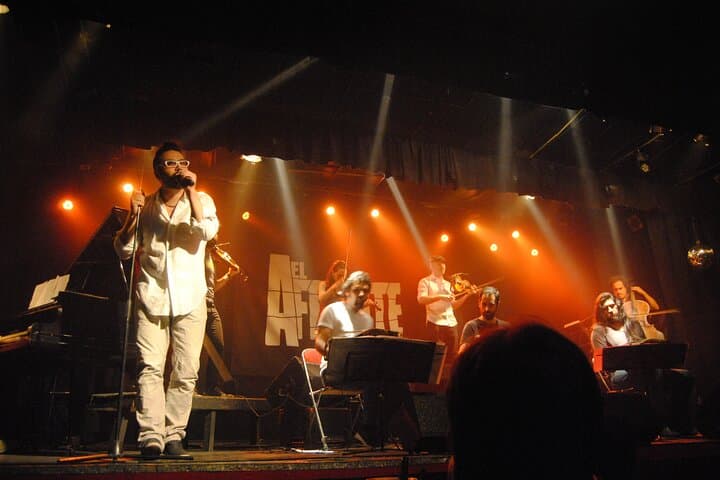
Culturally, the milonga is part social code, part performance: learn the cabeceo (eye-nod invitation), follow local etiquette, and expect live sets or a professional couple’s show to close the night. The experience here blends a compact group class, reserved table seating, a private transfer to a neighborhood milonga, and a live-music finale.
Practical notes: the full program runs about six hours—wear non-marking shoes with smooth soles, bring some cash for tips and drinks, and arrive rested; most ability levels are welcome but standing and moving for long stretches is required. Public transport is nearby, but the tour includes air-conditioned transfer to the milonga. Be ready to listen first, step second, and let the city guide your rhythm.
easy.
5–6 hours.
Light physical activity: standing, short bursts of movement and walking; suitable for most adults who can stand and move for extended periods.
No—this program welcomes beginners; the group class covers basics to help you feel comfortable on the milonga floor.
Yes; the itinerary includes private air-conditioned transfer from the class venue to the milonga.
Smart casual is typical—neat, comfortable clothing that allows movement; many locals dress a bit more formally for milongas but strict formalwear is not required.
Photography rules vary by venue—follow the host’s guidance; avoid using flash and be respectful during live performances.
Tango emerged in late-19th-century port neighborhoods like San Telmo as a blend of immigrant musical forms, African rhythms, and local milonga gatherings.
Support local culture by patronizing small venues and live musicians, avoid single-use plastics at events, and respect historic interiors to help preserve these cultural spaces.
Tango 10 Argentina operates guided outdoor trips and adventures with an emphasis on safety, stewardship, and memorable experiences.
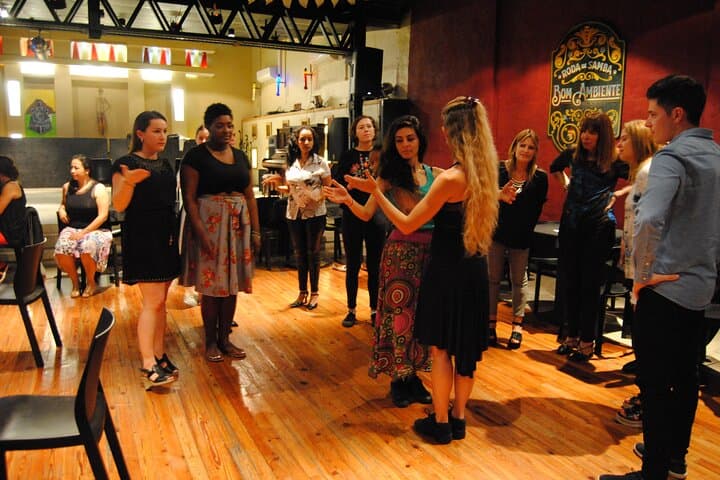
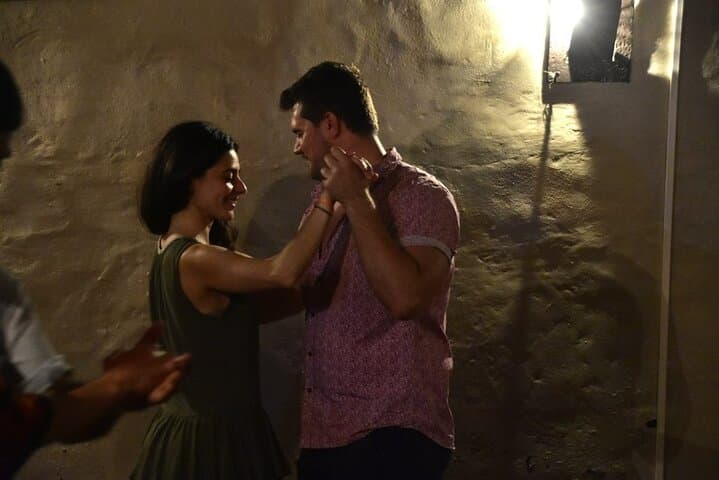
You step off a cobbled lane into a quiet mansion terrace where the city’s rhythm shifts—wood floors creak, a band tunes, and the air smells of coffee and varnish. The instructor greets the group, a mix of travelers and locals, and the room opens into the measured conversation of tango: two steps forward, a pause, a look. By nightfall you’ll be in a milonga, the city’s communal dance hall, where lines of heads connect and strangers exchange a single nod before the music pulls them across the floor.
You step off a cobbled lane into a quiet mansion terrace where the city’s rhythm shifts—wood floors creak, a band tunes, and the air smells of coffee and varnish. The instructor greets the group, a mix of travelers and locals, and the room opens into the measured conversation of tango: two steps forward, a pause, a look. By nightfall you’ll be in a milonga, the city’s communal dance hall, where lines of heads connect and strangers exchange a single nod before the music pulls them across the floor.
Tango was born in Río de la Plata port neighborhoods in the late 19th century, shaped by European immigrants, Afro-Argentine influences, and the improvisational spirit of working-class Buenos Aires. San Telmo’s stone streets and low-rise masonry speak to that history; the neighborhood sits on the flat sediment of the estuary plain, where sounds travel and crowds gather in plazas.
Culturally, the milonga is part social code, part performance: learn the cabeceo (eye-nod invitation), follow local etiquette, and expect live sets or a professional couple’s show to close the night. The experience here blends a compact group class, reserved table seating, a private transfer to a neighborhood milonga, and a live-music finale.
Practical notes: the full program runs about six hours—wear non-marking shoes with smooth soles, bring some cash for tips and drinks, and arrive rested; most ability levels are welcome but standing and moving for long stretches is required. Public transport is nearby, but the tour includes air-conditioned transfer to the milonga. Be ready to listen first, step second, and let the city guide your rhythm.