THE ADVENTURE COLLECTIVE® · Independent discovery and booking for outdoor travel

Spend a warm, unhurried day in Soweto with local guides who balance present-day community life and deep historical context. This small-group tour visits Vilakazi Street, Mandela House, murals, and neighborhood markets with conversation, a local lunch, and transport included.
Spend a warm, unhurried day in Soweto with local guides who balance present-day community life and deep historical context. This small-group tour visits Vilakazi Street, Mandela House, murals, and neighborhood markets with conversation, a local lunch, and transport included.
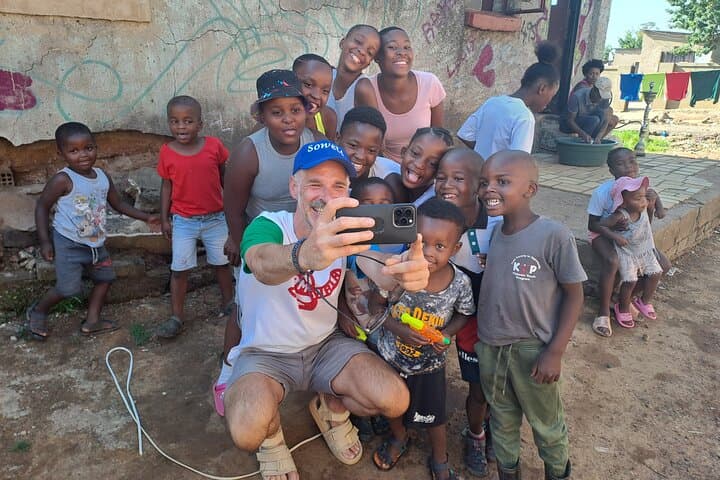
You step off the air-conditioned vehicle onto a wide, sunlit street and the city answers back—laughter from a corner stall, music leaking from a house radio, the murals on tower blocks demanding a second look. This is Soweto today: a living, layered neighborhood where guides born and raised here lead you through places that hold both ordinary rhythms and extraordinary history.
Verified experiences and guided adventures in the surrounding area.
Operated by Eenblond TOURS · Soweto, Gauteng
You step off the air-conditioned vehicle onto a wide, sunlit street and the city answers back—laughter from a corner stall, music leaking from a house radio, the murals on tower blocks demanding a second look. This is Soweto today: a living, layered neighborhood where guides born and raised here lead you through places that hold both ordinary rhythms and extraordinary history.
Once a cluster of separate townships imposed by apartheid, Soweto now hosts Vilakazi Street — the only street that housed two Nobel Peace Prize winners — and the small, humble house where Nelson Mandela lived, now a compact museum. The area’s brick-and-concrete architecture sits on ancient Highveld grassland; the geology is flat to gently rolling, formed on older dolomite and shale, which means straightforward walking with few steep sections but lots of human-scaled streets and alleys to explore.
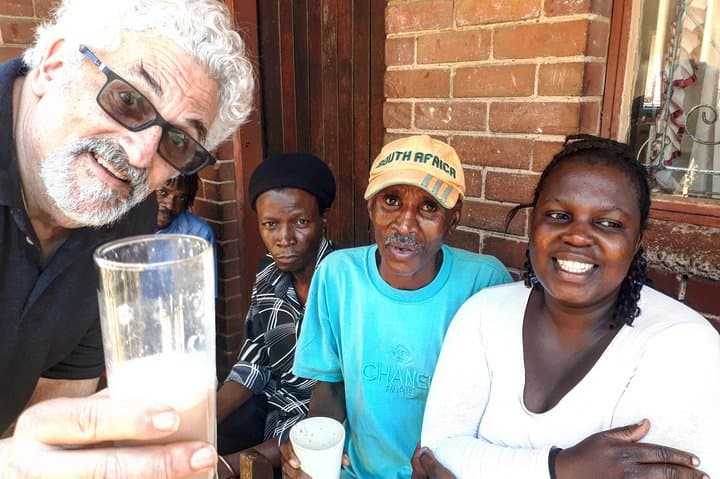
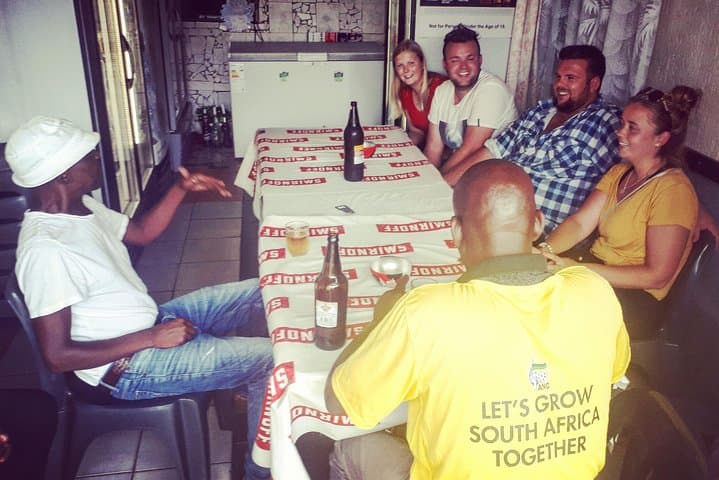
Cultural exchange is the heart of this experience: local guides share personal memories of June 16 and the resistance movement, shopkeepers invite conversation, and you taste traditional beer and a home-style lunch. Practicalities matter — pacing is unhurried by design, and most stops include short walks and time to ask questions.
Plan for sunscreen and comfortable shoes, and expect spirited street life more than quiet sightseeing. Tours typically run six to seven hours with included transport from Johannesburg, bottled water, entrance to Mandela House, and a glass of traditional beer. The result is less a checklist of sights and more a grounded, respectful encounter with a community shaping its present as vividly as its past.
easy.
6–7 hours.
Suitable for most fitness levels; expect several short walks and standing at exhibits.
The tour runs about 6–7 hours and typically includes round-trip transport, bottled water, entrance to Mandela House, a local lunch and a traditional beer, plus local guide fees.
Yes—this is a low-impact urban tour with short walks; however, some streets have uneven paving and brief standing at sites, so notify the operator if you need additional assistance.
Photography of public spaces and murals is fine, but always ask before photographing residents in private or inside homes; your guide will advise on respectful practice.
The operator channels a significant share of revenue back into local initiatives and hires local guides, so the experience is designed to be community-beneficial and culturally respectful.
Soweto grew under segregation policies as townships relocated Black South Africans during apartheid; it later became a center of resistance, notably the 1976 Soweto Uprising.
Local groups focus on urban greening, waste reduction and preserving historic sites—visitors can support by minimizing litter and buying from local vendors.
Eenblond TOURS operates guided outdoor trips and adventures with an emphasis on safety, stewardship, and memorable experiences.
You step off the air-conditioned vehicle onto a wide, sunlit street and the city answers back—laughter from a corner stall, music leaking from a house radio, the murals on tower blocks demanding a second look. This is Soweto today: a living, layered neighborhood where guides born and raised here lead you through places that hold both ordinary rhythms and extraordinary history.
You step off the air-conditioned vehicle onto a wide, sunlit street and the city answers back—laughter from a corner stall, music leaking from a house radio, the murals on tower blocks demanding a second look. This is Soweto today: a living, layered neighborhood where guides born and raised here lead you through places that hold both ordinary rhythms and extraordinary history.
Once a cluster of separate townships imposed by apartheid, Soweto now hosts Vilakazi Street — the only street that housed two Nobel Peace Prize winners — and the small, humble house where Nelson Mandela lived, now a compact museum. The area’s brick-and-concrete architecture sits on ancient Highveld grassland; the geology is flat to gently rolling, formed on older dolomite and shale, which means straightforward walking with few steep sections but lots of human-scaled streets and alleys to explore.
Cultural exchange is the heart of this experience: local guides share personal memories of June 16 and the resistance movement, shopkeepers invite conversation, and you taste traditional beer and a home-style lunch. Practicalities matter — pacing is unhurried by design, and most stops include short walks and time to ask questions.
Plan for sunscreen and comfortable shoes, and expect spirited street life more than quiet sightseeing. Tours typically run six to seven hours with included transport from Johannesburg, bottled water, entrance to Mandela House, and a glass of traditional beer. The result is less a checklist of sights and more a grounded, respectful encounter with a community shaping its present as vividly as its past.