THE ADVENTURE COLLECTIVE® · Independent discovery and booking for outdoor travel

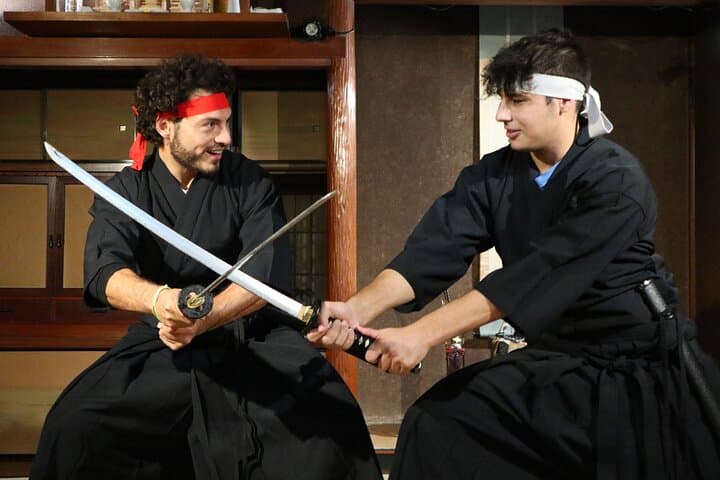
Step off the street and into a Tokyo dojo for an hour of etiquette, sword work and a filmed period-drama scene. Learn basic kata, practice partner drills and leave with photos and a keepsake video.
Step off the street and into a Tokyo dojo for an hour of etiquette, sword work and a filmed period-drama scene. Learn basic kata, practice partner drills and leave with photos and a keepsake video.
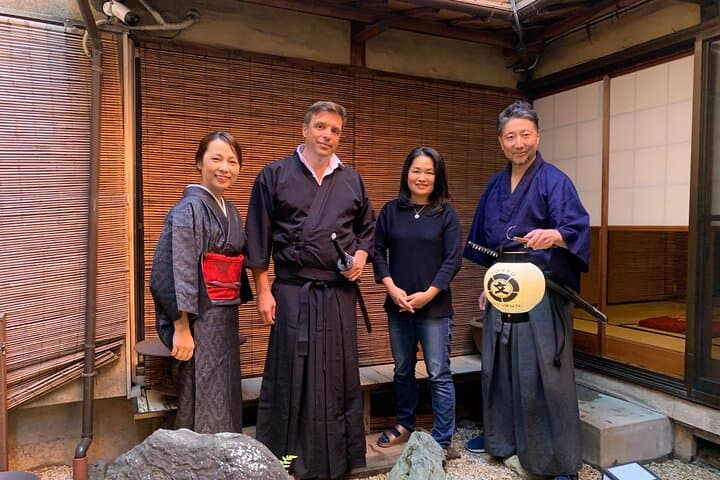
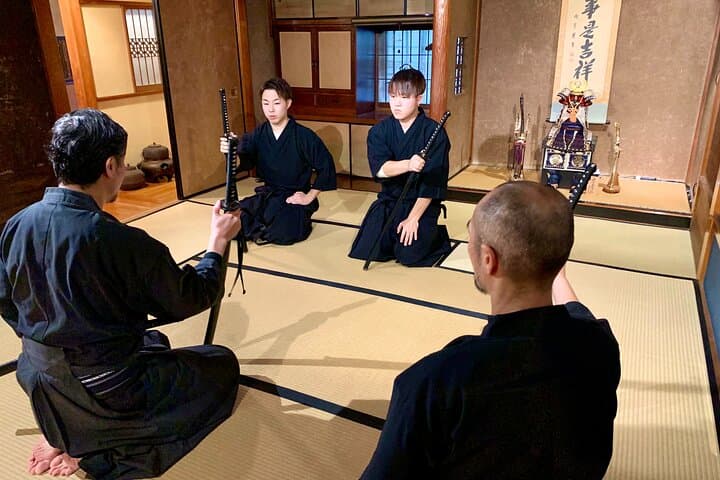
The wooden floor of the dojo takes your footfall and returns it—an honest, dry tap that feels part instruction, part invitation. In Tokyo’s tight city fabric you step away from traffic and into measured bows, the slide of a kimono, and the cool weight of a practice sword as instructors from Abe Dojo guide you through a compact, powerful ritual.
Verified experiences and guided adventures in the surrounding area.
Operated by 株式会社Japanticket · Tokyo, Tokyo
The wooden floor of the dojo takes your footfall and returns it—an honest, dry tap that feels part instruction, part invitation. In Tokyo’s tight city fabric you step away from traffic and into measured bows, the slide of a kimono, and the cool weight of a practice sword as instructors from Abe Dojo guide you through a compact, powerful ritual.
The samurai code evolved across centuries of Japanese history, most visibly during the Edo period when martial schools formalized etiquette, kata and sword craft. Tokyo itself sits on the Kanto Plain with the distant silhouette of Mount Fuji visible on clear days—a reminder of Japan’s volcanic geology that shaped trade routes, materials and even sword-forging techniques.
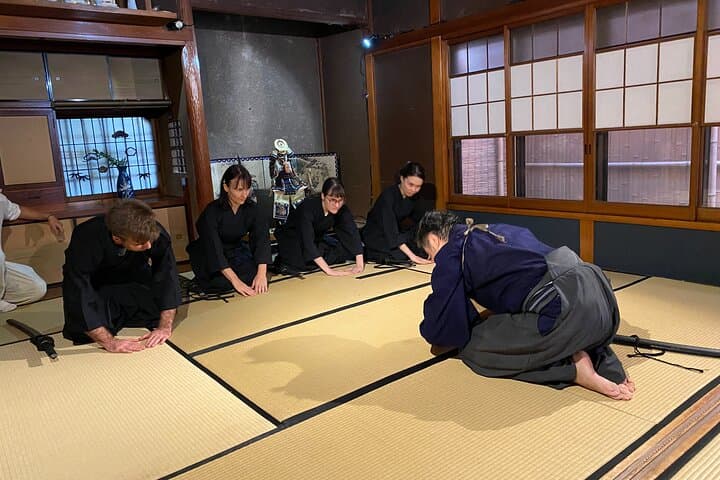
Culturally, this experience is as much rehearsal of manners as it is physical technique: standing, bowing, drawing and sheathing are taught with care. You’ll learn to move as if your kit and posture carry social meaning—small acts that feel both precise and immediate.
Practical details are straightforward. The one-hour session includes kimono rental, instruction in basic kata, partner drills where you practice both attacker and receiver roles, and a final choreographed scene filmed for you. It’s suitable for most fitness levels; expect light movement, kneeling and some quick stepping. Public transport brings you close; arrive 10–15 minutes early to change.
Bring comfortable layers under the kimono, a secure pair of shoes for transit, and a charged camera—participants may film and take photos. Note the booking is final sale; confirm logistics with the operator before arrival. This is an accessible, culture-rich way to move beyond sightseeing and feel the discipline of a centuries-old martial tradition.
easy.
1 hour.
Suitable for most fitness levels—requires basic mobility for kneeling, standing and light footwork.
No—this one-hour session is designed for beginners and focuses on etiquette, basic sword handling and choreographed movement.
Instructors use practice blades and strict safety protocols; movements are choreographed and supervised so participants can perform safely.
Policies vary by operator; many sessions accept teens with parental consent—check age limits when booking and mention special requirements.
This experience is listed as all-sales-final; confirm your booking and arrival details carefully before purchase.
Samurai were the military nobility of feudal Japan whose codes and schools of swordsmanship were formalized during the Edo period; dojo etiquette preserves that lineage today.
Respect replica weapons and traditional garments; supporting small local dojos helps preserve cultural skills and sustainable tourism practices.
株式会社Japanticket operates guided outdoor trips and adventures with an emphasis on safety, stewardship, and memorable experiences.
The wooden floor of the dojo takes your footfall and returns it—an honest, dry tap that feels part instruction, part invitation. In Tokyo’s tight city fabric you step away from traffic and into measured bows, the slide of a kimono, and the cool weight of a practice sword as instructors from Abe Dojo guide you through a compact, powerful ritual.
The wooden floor of the dojo takes your footfall and returns it—an honest, dry tap that feels part instruction, part invitation. In Tokyo’s tight city fabric you step away from traffic and into measured bows, the slide of a kimono, and the cool weight of a practice sword as instructors from Abe Dojo guide you through a compact, powerful ritual.
The samurai code evolved across centuries of Japanese history, most visibly during the Edo period when martial schools formalized etiquette, kata and sword craft. Tokyo itself sits on the Kanto Plain with the distant silhouette of Mount Fuji visible on clear days—a reminder of Japan’s volcanic geology that shaped trade routes, materials and even sword-forging techniques.
Culturally, this experience is as much rehearsal of manners as it is physical technique: standing, bowing, drawing and sheathing are taught with care. You’ll learn to move as if your kit and posture carry social meaning—small acts that feel both precise and immediate.
Practical details are straightforward. The one-hour session includes kimono rental, instruction in basic kata, partner drills where you practice both attacker and receiver roles, and a final choreographed scene filmed for you. It’s suitable for most fitness levels; expect light movement, kneeling and some quick stepping. Public transport brings you close; arrive 10–15 minutes early to change.
Bring comfortable layers under the kimono, a secure pair of shoes for transit, and a charged camera—participants may film and take photos. Note the booking is final sale; confirm logistics with the operator before arrival. This is an accessible, culture-rich way to move beyond sightseeing and feel the discipline of a centuries-old martial tradition.