THE ADVENTURE COLLECTIVE® · Independent discovery and booking for outdoor travel

Spend 4–5 days on a private, family-hosted tour through Herzegovina: rural walks, a 45-minute river boat ride, hands-on farm cooking and visits to medieval forts and karst waterfalls. Perfect for travelers who want food, history and slow travel off the beaten path.
Spend 4–5 days on a private, family-hosted tour through Herzegovina: rural walks, a 45-minute river boat ride, hands-on farm cooking and visits to medieval forts and karst waterfalls. Perfect for travelers who want food, history and slow travel off the beaten path.
You step off the minivan onto a limestone lane and the air smells of wood smoke and fresh oregano — this is Hardomilje, a hillside village where generations still tend olive trees and vegetable plots.
Verified experiences and guided adventures in the surrounding area.
Operated by Private Tours Travel Agency · Ljubuški, Herzegovina-Neretva Canton
You step off the minivan onto a limestone lane and the air smells of wood smoke and fresh oregano — this is Hardomilje, a hillside village where generations still tend olive trees and vegetable plots.
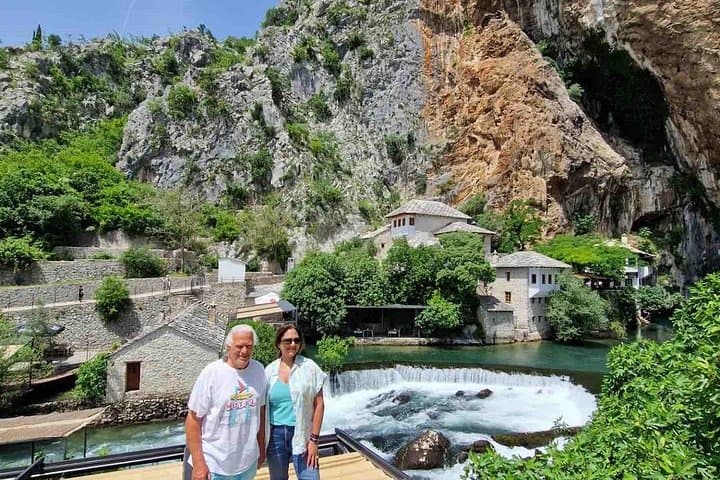
Across the four- to five-day private itinerary you move between living history and karst geology: a brief city tour of Split and Diocletian’s Palace, medieval forts at Klis and Ljubuški, and the braided Trebižet river that yields Kravice and Koćuša falls. The landscape is largely karst — limestone plateaus cut by springs and narrow river gorges — which explains the clear pools and terraced fields you’ll see while walking short village trails and boating 45 minutes on the river.
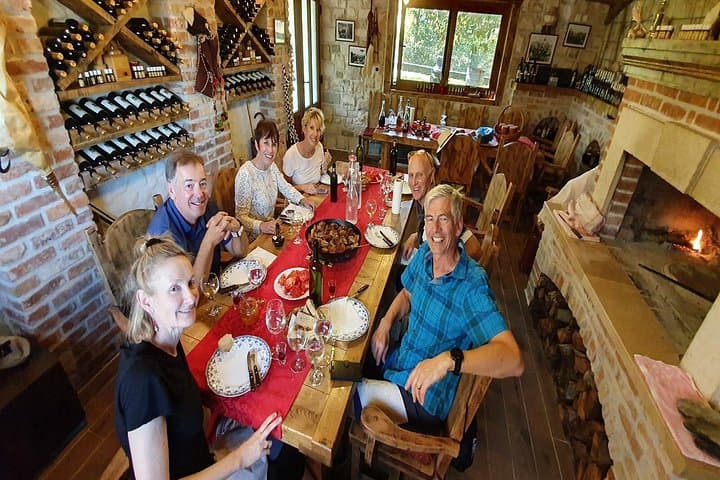
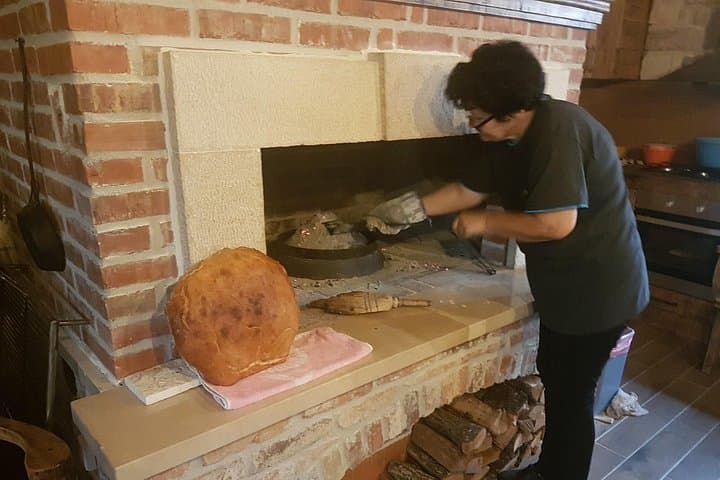
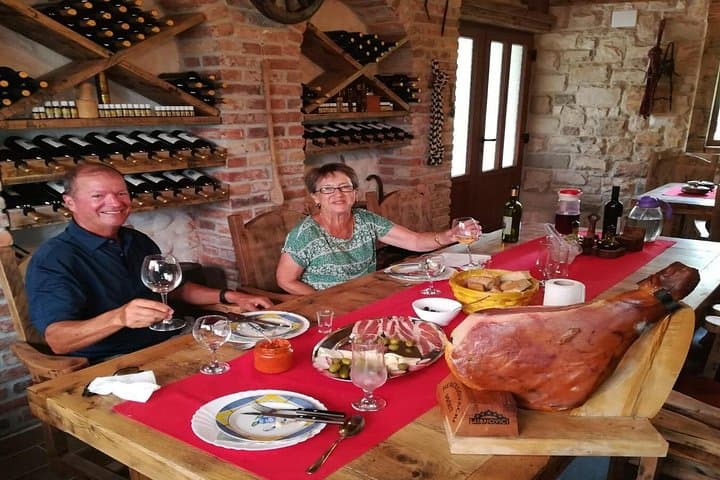
Culture here is hands-on. You’ll join a family cooking session that starts in the fields, roll dough for pies, and roast under a peka dome while sampling homemade wines and brandies. Local architecture uses white limestone and simple mortar; monasteries and fortifications trace Roman, medieval and Ottoman-era layers in the region’s story.
Practical notes: expect short, uneven stone paths and modest climbs on village approaches (comfortable walking shoes recommended). The program includes private transfers and two boat seasons (April–November), breakfast, lunch and dinner at the B&B, and guided interpretation. Bring a small daypack, a waterproof layer for waterfall spray, and cash for small purchases at markets. Traveling between Split and Dubrovnik is straightforward by road, but plan for narrow rural lanes and variable cell coverage as you trade crowds for authentic rural rhythm.
moderate.
4–5 days.
Suitable for travelers who can manage short walks on uneven stone paths and climb modest inclines; no sustained hiking required.
The typical river boat segment is about 45 minutes on the Trebižet, often paired with lunch and homemade beverages.
Round-trip private transfer is included as part of the program; transfers to Dubrovnik are available as an option on day five.
Yes — the itinerary includes breakfast, buffet lunch and dinner, snacks, coffee/tea and local alcoholic beverages during meals.
Children are welcome but must be accompanied by an adult; note that some walking surfaces are uneven and infant seats/infants-on-lap policies apply for transfers.
The region sits on ancient Roman and medieval routes; Split’s Diocletian’s Palace (4th century) and nearby medieval forts illustrate layers of Roman, Croatian and Ottoman-era history.
Karst rivers and waterfall systems are sensitive to pollution and water extraction; choose operators who follow local waste practices and avoid single-use plastics.
Private Tours Travel Agency operates guided outdoor trips and adventures with an emphasis on safety, stewardship, and memorable experiences.
You step off the minivan onto a limestone lane and the air smells of wood smoke and fresh oregano — this is Hardomilje, a hillside village where generations still tend olive trees and vegetable plots.
You step off the minivan onto a limestone lane and the air smells of wood smoke and fresh oregano — this is Hardomilje, a hillside village where generations still tend olive trees and vegetable plots.
Across the four- to five-day private itinerary you move between living history and karst geology: a brief city tour of Split and Diocletian’s Palace, medieval forts at Klis and Ljubuški, and the braided Trebižet river that yields Kravice and Koćuša falls. The landscape is largely karst — limestone plateaus cut by springs and narrow river gorges — which explains the clear pools and terraced fields you’ll see while walking short village trails and boating 45 minutes on the river.
Culture here is hands-on. You’ll join a family cooking session that starts in the fields, roll dough for pies, and roast under a peka dome while sampling homemade wines and brandies. Local architecture uses white limestone and simple mortar; monasteries and fortifications trace Roman, medieval and Ottoman-era layers in the region’s story.
Practical notes: expect short, uneven stone paths and modest climbs on village approaches (comfortable walking shoes recommended). The program includes private transfers and two boat seasons (April–November), breakfast, lunch and dinner at the B&B, and guided interpretation. Bring a small daypack, a waterproof layer for waterfall spray, and cash for small purchases at markets. Traveling between Split and Dubrovnik is straightforward by road, but plan for narrow rural lanes and variable cell coverage as you trade crowds for authentic rural rhythm.