THE ADVENTURE COLLECTIVE® · Independent discovery and booking for outdoor travel

Walk Phnom Penh’s back alleys with a local guide to sample 7–8 authentic Khmer dishes across family-run stalls. This 2–3 hour evening tour combines tasting, food history and neighborhood stories for a grounded, flavorful introduction to Cambodian street cuisine.
Walk Phnom Penh’s back alleys with a local guide to sample 7–8 authentic Khmer dishes across family-run stalls. This 2–3 hour evening tour combines tasting, food history and neighborhood stories for a grounded, flavorful introduction to Cambodian street cuisine.
The late-afternoon heat softens as you meet at the National Museum, tuk‑tuks idling and the city’s steady hum folding into the background. A local guide—born and raised in Phnom Penh—leads you down shaded alleys where smoke and spice thread through the air, stopping at family-run stalls where bowls and pans sing with fermented fish, fresh herbs and coconut milk.
Verified experiences and guided adventures in the surrounding area.
Operated by Lina Smile Tour · Phnom Penh, Phnom Penh
The late-afternoon heat softens as you meet at the National Museum, tuk‑tuks idling and the city’s steady hum folding into the background. A local guide—born and raised in Phnom Penh—leads you down shaded alleys where smoke and spice thread through the air, stopping at family-run stalls where bowls and pans sing with fermented fish, fresh herbs and coconut milk.
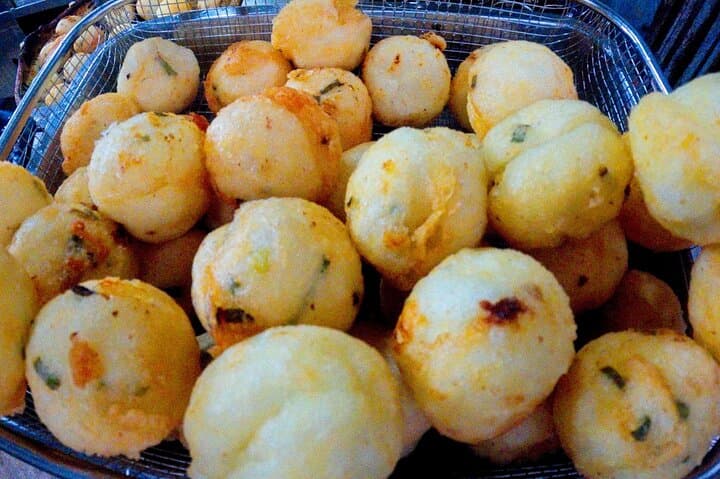
Khmer food is built on rice, river fish and prahok (fermented fish paste), with flavors shaped by centuries of riverine life and brief French colonial influence. Streets around the museum still host recipes passed across generations: wok‑tossed noodles seasoned with house fish sauce, green fish curries, chive cakes and rice‑flour desserts made in cast‑iron molds. The tour’s rhythm is deliberate—short walks between stops, hands‑on tasting, and brief stories about ingredients, family trades and the social role of street food.
This is an urban walk: expect 1.5–3 km of flat pavement with frequent stops, low elevation change and uneven shopfront steps. Wear closed-toe shoes and carry a bottle of water; the tour runs about 2.5 hours (roughly 155 minutes) and begins in the late afternoon to avoid midday heat. Bring small bills for extra purchases, flag dietary restrictions in advance, and keep an eye on heavy traffic when crossing main roads.
Practical planning tip: go hungry but not starving—portions are sampling-sized—and save room for the finishing cocktail at a tucked-away Riverside bar. Respect family stalls, photograph with permission, and treat single-use plastics with care; your choices help local vendors thrive.
easy.
2–3 hours.
Light walking and standing; suitable for most fitness levels comfortable with city streets.
All tastings listed on the itinerary, bottled water and a local English-speaking guide are included; final drinks at the last bar may vary by inclusion.
Yes—inform the operator when booking and the guide will adjust stops where possible; vegetarian options exist at several stalls.
Meeting is typically at the National Museum at the listed start time (4:30 PM on example itineraries); confirm exact location on your booking voucher.
The tour is low intensity but involves walking on city sidewalks and some steps—not ideal for those with serious mobility limitations; children can participate with supervision.
Khmer street cuisine grew from riverine staples—rice, freshwater fish and fermented fish paste (prahok)—with subtle French influences introduced during colonial times.
Street food creates minimal infrastructure but generates waste; bring a reusable bottle and avoid single-use plastics to support cleaner streets and vendor sustainability.
Lina Smile Tour operates guided outdoor trips and adventures with an emphasis on safety, stewardship, and memorable experiences.


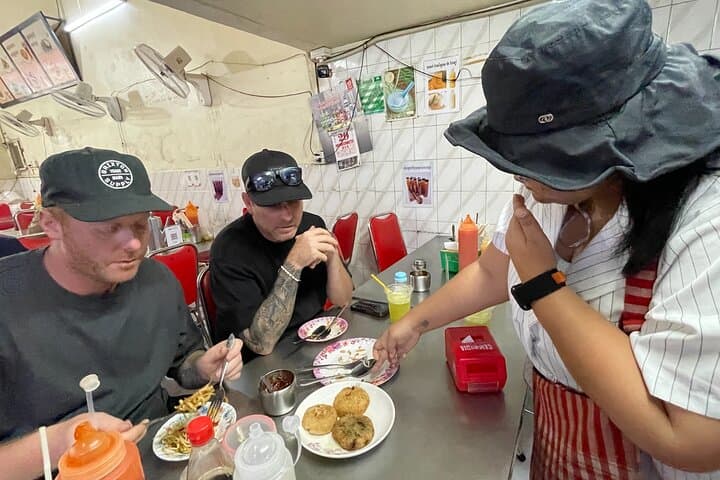
The late-afternoon heat softens as you meet at the National Museum, tuk‑tuks idling and the city’s steady hum folding into the background. A local guide—born and raised in Phnom Penh—leads you down shaded alleys where smoke and spice thread through the air, stopping at family-run stalls where bowls and pans sing with fermented fish, fresh herbs and coconut milk.
The late-afternoon heat softens as you meet at the National Museum, tuk‑tuks idling and the city’s steady hum folding into the background. A local guide—born and raised in Phnom Penh—leads you down shaded alleys where smoke and spice thread through the air, stopping at family-run stalls where bowls and pans sing with fermented fish, fresh herbs and coconut milk.
Khmer food is built on rice, river fish and prahok (fermented fish paste), with flavors shaped by centuries of riverine life and brief French colonial influence. Streets around the museum still host recipes passed across generations: wok‑tossed noodles seasoned with house fish sauce, green fish curries, chive cakes and rice‑flour desserts made in cast‑iron molds. The tour’s rhythm is deliberate—short walks between stops, hands‑on tasting, and brief stories about ingredients, family trades and the social role of street food.
This is an urban walk: expect 1.5–3 km of flat pavement with frequent stops, low elevation change and uneven shopfront steps. Wear closed-toe shoes and carry a bottle of water; the tour runs about 2.5 hours (roughly 155 minutes) and begins in the late afternoon to avoid midday heat. Bring small bills for extra purchases, flag dietary restrictions in advance, and keep an eye on heavy traffic when crossing main roads.
Practical planning tip: go hungry but not starving—portions are sampling-sized—and save room for the finishing cocktail at a tucked-away Riverside bar. Respect family stalls, photograph with permission, and treat single-use plastics with care; your choices help local vendors thrive.