THE ADVENTURE COLLECTIVE® · Independent discovery and booking for outdoor travel

Experience Moshi beyond the mountain: a full‑day, small‑group tour that takes you from the vintage railway station to bustling spice stalls, rice paddies and a traditional Chagga home. Taste Kilimanjaro coffee, meet vendors and learn the local stories that shape daily life.
Experience Moshi beyond the mountain: a full‑day, small‑group tour that takes you from the vintage railway station to bustling spice stalls, rice paddies and a traditional Chagga home. Taste Kilimanjaro coffee, meet vendors and learn the local stories that shape daily life.
Morning light in Moshi slices across corrugated roofs and spills down market aisles—coffee steam rises from a roadside stall while the silhouette of Kilimanjaro watches from the distance. This seven‑hour, small‑group tour threads you through that daily rhythm: an old railway platform, the spice-scented lanes of Moshi Central and Mbuyuni markets, rice paddies at Mabogini and a hands‑on visit to a local coffee operation.
Verified experiences and guided adventures in the surrounding area.
Operated by Kuhe tours · Moshi, Kilimanjaro Region
Morning light in Moshi slices across corrugated roofs and spills down market aisles—coffee steam rises from a roadside stall while the silhouette of Kilimanjaro watches from the distance. This seven‑hour, small‑group tour threads you through that daily rhythm: an old railway platform, the spice-scented lanes of Moshi Central and Mbuyuni markets, rice paddies at Mabogini and a hands‑on visit to a local coffee operation.
The town’s story is visible at the Moshi Old Railway Station, a colonial-era node that helped export agricultural goods grown on volcanic soils from Kilimanjaro’s slopes. The Chagga people, who long occupied these foothills, shaped local farming techniques and household architecture; stepping into a Chagga house brings those living traditions into view. Geologically, the region sits on rich alluvial and volcanic deposits that support coffee, rice, bananas and spices—produce you’ll see and taste.
Expect mostly flat urban walking with short drives between stops: plan for 2–4 miles of slow walking on paved streets and uneven market paths, at roughly 800–900 m elevation. Markets are sensory—colors, calls and bargaining—so move deliberately, keep valuables secure and be ready to sample fresh fruit and roasted Kilimanjaro beans.
Practical edge: go early for cooler air, wear sturdy walking shoes and a sun hat, carry cash in small denominations and a refillable water bottle. Respect photographing vendors by asking first, and tip guides and stall vendors when you can—the tour supports small local businesses and gives a grounded picture of life around Africa’s highest peak.
easy.
6–7 hours.
Suitable for most travelers who can walk 2–4 miles at a relaxed pace; minimal standing for short market stops.
The tour includes short walks between market stalls and sites—expect roughly 2–4 miles of walking over mostly flat urban terrain with some uneven sections.
Yes—this is a low‑intensity cultural day useful for acclimatization to Moshi’s elevation, but it does not replace proper trek preparation for Kilimanjaro.
Guides can arrange simple modifications, but bring specifics in advance—local restaurants may have limited options for strict dietary needs.
Tanzanian shillings (TZS) are preferred for small purchases; tipping guides and helpful vendors is appreciated—10% or a small note is common.
Moshi grew as an agricultural hub under the Chagga kingdom and later expanded with a colonial-era railway that connected Kilimanjaro produce to coastal ports.
Support local vendors, avoid single‑use plastics and pack out any litter; small tourism purchases can directly benefit local farming families and artisans.
Kuhe tours operates guided outdoor trips and adventures with an emphasis on safety, stewardship, and memorable experiences.
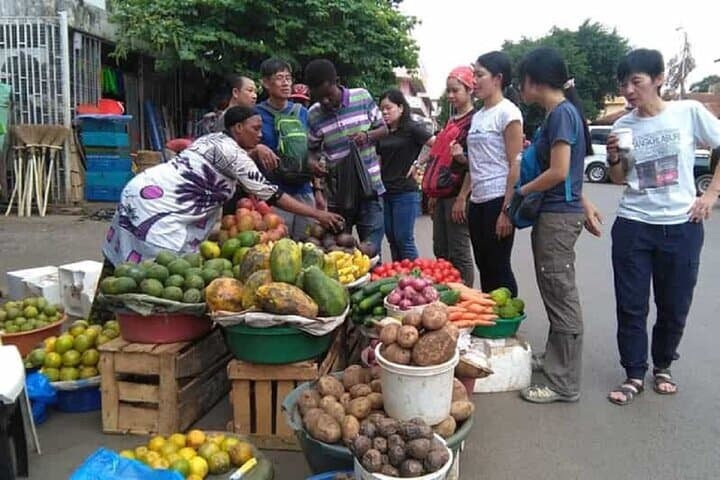
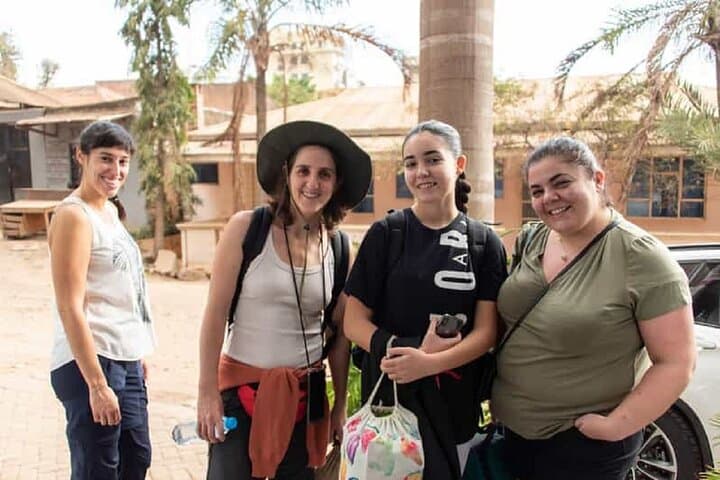
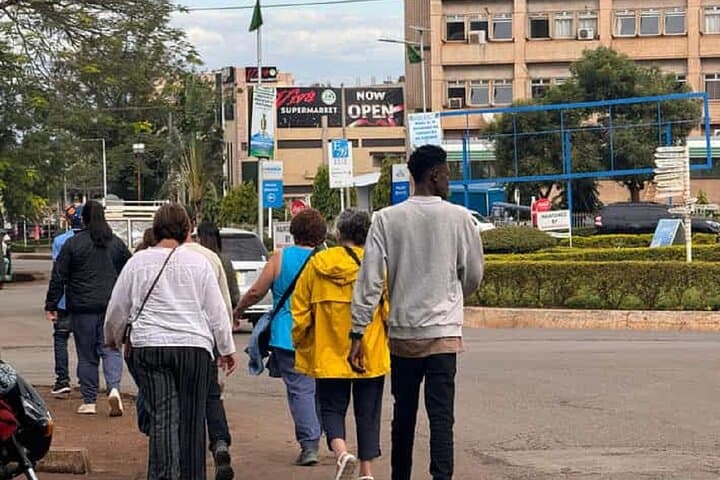
Morning light in Moshi slices across corrugated roofs and spills down market aisles—coffee steam rises from a roadside stall while the silhouette of Kilimanjaro watches from the distance. This seven‑hour, small‑group tour threads you through that daily rhythm: an old railway platform, the spice-scented lanes of Moshi Central and Mbuyuni markets, rice paddies at Mabogini and a hands‑on visit to a local coffee operation.
Morning light in Moshi slices across corrugated roofs and spills down market aisles—coffee steam rises from a roadside stall while the silhouette of Kilimanjaro watches from the distance. This seven‑hour, small‑group tour threads you through that daily rhythm: an old railway platform, the spice-scented lanes of Moshi Central and Mbuyuni markets, rice paddies at Mabogini and a hands‑on visit to a local coffee operation.
The town’s story is visible at the Moshi Old Railway Station, a colonial-era node that helped export agricultural goods grown on volcanic soils from Kilimanjaro’s slopes. The Chagga people, who long occupied these foothills, shaped local farming techniques and household architecture; stepping into a Chagga house brings those living traditions into view. Geologically, the region sits on rich alluvial and volcanic deposits that support coffee, rice, bananas and spices—produce you’ll see and taste.
Expect mostly flat urban walking with short drives between stops: plan for 2–4 miles of slow walking on paved streets and uneven market paths, at roughly 800–900 m elevation. Markets are sensory—colors, calls and bargaining—so move deliberately, keep valuables secure and be ready to sample fresh fruit and roasted Kilimanjaro beans.
Practical edge: go early for cooler air, wear sturdy walking shoes and a sun hat, carry cash in small denominations and a refillable water bottle. Respect photographing vendors by asking first, and tip guides and stall vendors when you can—the tour supports small local businesses and gives a grounded picture of life around Africa’s highest peak.