THE ADVENTURE COLLECTIVE® · Independent discovery and booking for outdoor travel

Taste Marrakech like a local on a three-hour guided walk through the Medina. Sample 7–9 authentic street dishes—savory pancakes, soups, skewers and sweets—while your guide reveals the neighborhoods locals favor.
Taste Marrakech like a local on a three-hour guided walk through the Medina. Sample 7–9 authentic street dishes—savory pancakes, soups, skewers and sweets—while your guide reveals the neighborhoods locals favor.
The smell of cumin, orange blossom and hot oil threads through narrow alleys as the group steps from the shade of a minaret into the organized chaos of the Medina. Stalls shout their wares; smoke from coal grills curls like a small invitation. This is a walking meal—three hours guided by a licensed local who knows which corners feed Marrakech’s residents and which are for tourists.
Verified experiences and guided adventures in the surrounding area.
Operated by The best Marrakech tour · Marrakech, Marrakech-Safi
The smell of cumin, orange blossom and hot oil threads through narrow alleys as the group steps from the shade of a minaret into the organized chaos of the Medina. Stalls shout their wares; smoke from coal grills curls like a small invitation. This is a walking meal—three hours guided by a licensed local who knows which corners feed Marrakech’s residents and which are for tourists.
Marrakech grew from a 11th-century Berber foundation into a crossroads of Saharan trade, Andalusian refugees and Ottoman influence; the food reflects that history in layered spices and shared street rituals. The city’s red sandstone walls heat and radiate at midday; its souks sit atop alluvial plains carved from High Atlas runoff, where irrigation and market culture shaped what’s grown and grilled.
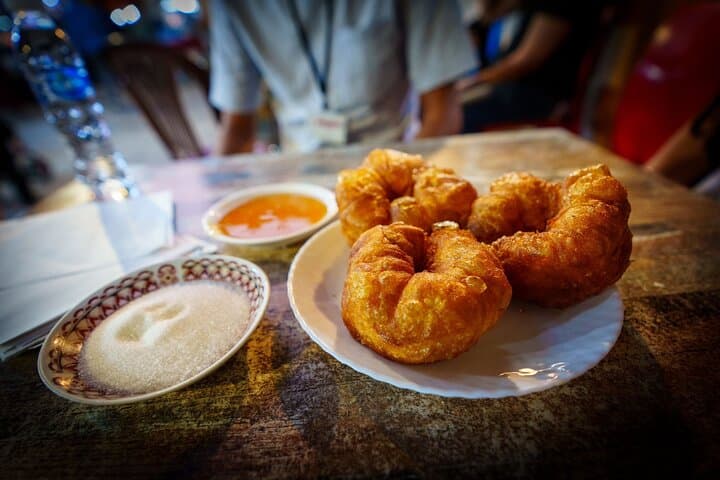
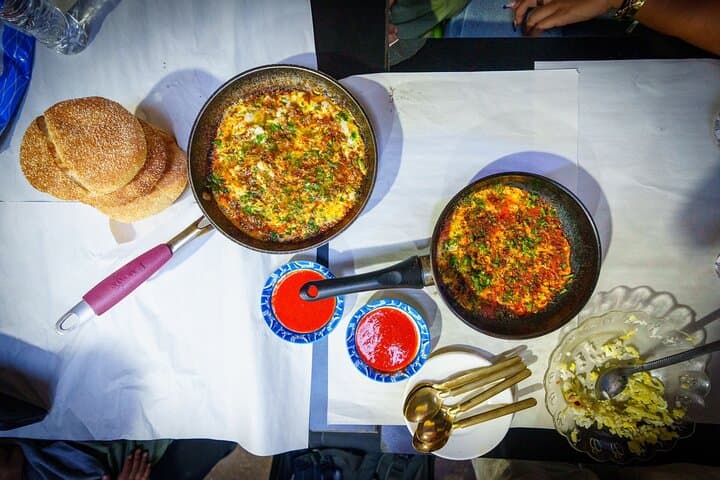
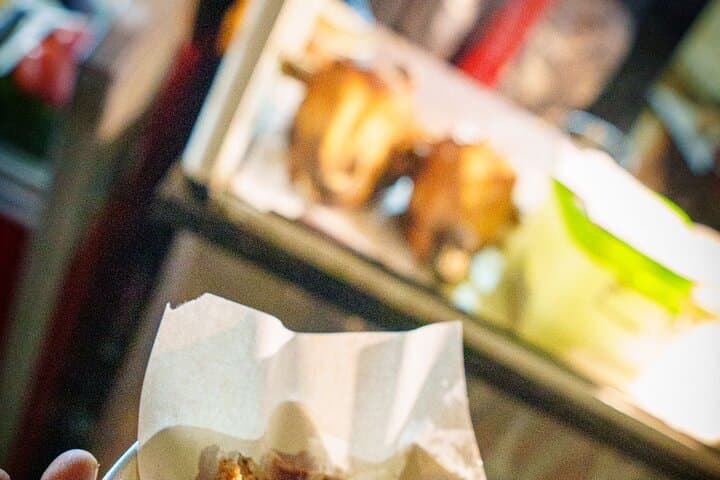
Expect 7–9 small tastings from msemen pancakes and harira soup to sfenj doughnuts and grilled chwa skewers, plus seasonal cactus fruit and herbal khoudenjal. The guide avoids tourist staples like tagine and couscous to focus on what Moroccans actually eat—hot teas, labor-market snacks, and bold spice combinations.
Practically, wear broken-in walking shoes for cobbles and uneven steps, bring a refillable water bottle, and flag dietary restrictions in advance; the tour adapts for allergies and preferences. Plan for crowds around Jemaa el-Fna at dusk, and carry small change for extra treats. This is urban exploration by appetite—social, sensory, and paced for discovery rather than speed.
moderate.
3 hours.
Participants should be comfortable walking 2–3 miles over uneven surfaces and standing for tasting stops.
The itinerary includes 7–9 small tastings covering starters, mains and desserts; final items depend on seasonal availability and group pace.
Yes—inform the operator at booking and the guide will adjust stops and selections to accommodate dietary needs.
Tours typically meet near a central Medina point and walk through local neighborhoods and souk passages—expect routes around Jemaa el-Fna and nearby food streets.
Yes—infants can ride in strollers, but parents should note the walking distance and busy streets; small portions are shared.
Marrakech’s Medina dates to the 11th century and grew as a trading hub; its street-food culture reflects Berber, Arab and Andalusian culinary influences.
Waste from busy food streets can strain local disposal—bring a small bag for wrappers and use bins when available; support vendors who source local produce.
The best Marrakech tour operates guided outdoor trips and adventures with an emphasis on safety, stewardship, and memorable experiences.
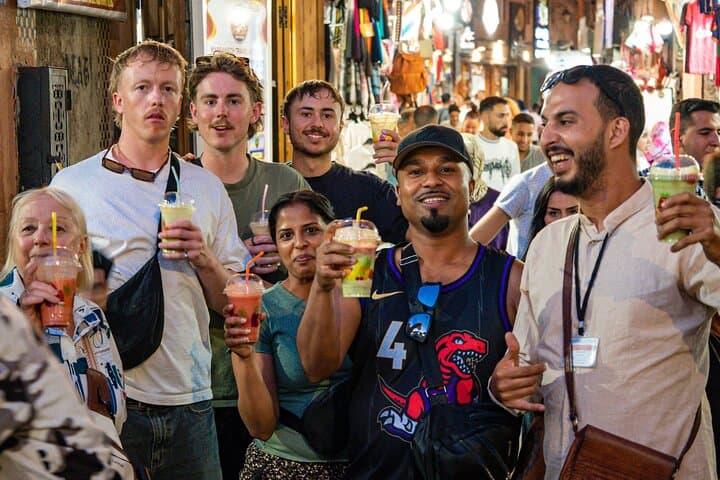
The smell of cumin, orange blossom and hot oil threads through narrow alleys as the group steps from the shade of a minaret into the organized chaos of the Medina. Stalls shout their wares; smoke from coal grills curls like a small invitation. This is a walking meal—three hours guided by a licensed local who knows which corners feed Marrakech’s residents and which are for tourists.
The smell of cumin, orange blossom and hot oil threads through narrow alleys as the group steps from the shade of a minaret into the organized chaos of the Medina. Stalls shout their wares; smoke from coal grills curls like a small invitation. This is a walking meal—three hours guided by a licensed local who knows which corners feed Marrakech’s residents and which are for tourists.
Marrakech grew from a 11th-century Berber foundation into a crossroads of Saharan trade, Andalusian refugees and Ottoman influence; the food reflects that history in layered spices and shared street rituals. The city’s red sandstone walls heat and radiate at midday; its souks sit atop alluvial plains carved from High Atlas runoff, where irrigation and market culture shaped what’s grown and grilled.
Expect 7–9 small tastings from msemen pancakes and harira soup to sfenj doughnuts and grilled chwa skewers, plus seasonal cactus fruit and herbal khoudenjal. The guide avoids tourist staples like tagine and couscous to focus on what Moroccans actually eat—hot teas, labor-market snacks, and bold spice combinations.
Practically, wear broken-in walking shoes for cobbles and uneven steps, bring a refillable water bottle, and flag dietary restrictions in advance; the tour adapts for allergies and preferences. Plan for crowds around Jemaa el-Fna at dusk, and carry small change for extra treats. This is urban exploration by appetite—social, sensory, and paced for discovery rather than speed.