THE ADVENTURE COLLECTIVE® · Independent discovery and booking for outdoor travel

Ride with nomads, spot the reintroduced Przewalski horse in Hustai, cross sand dunes, and follow the Orkhon River to waterfalls and monasteries—five days that compress Mongolia’s steppe life into an immersive loop.
Ride with nomads, spot the reintroduced Przewalski horse in Hustai, cross sand dunes, and follow the Orkhon River to waterfalls and monasteries—five days that compress Mongolia’s steppe life into an immersive loop.
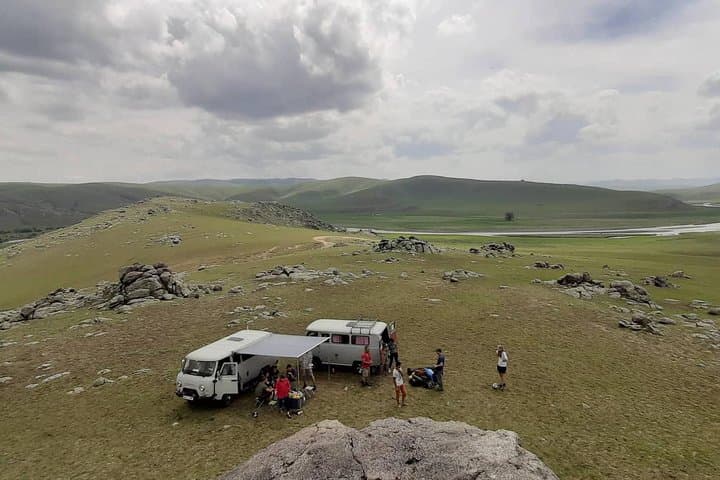
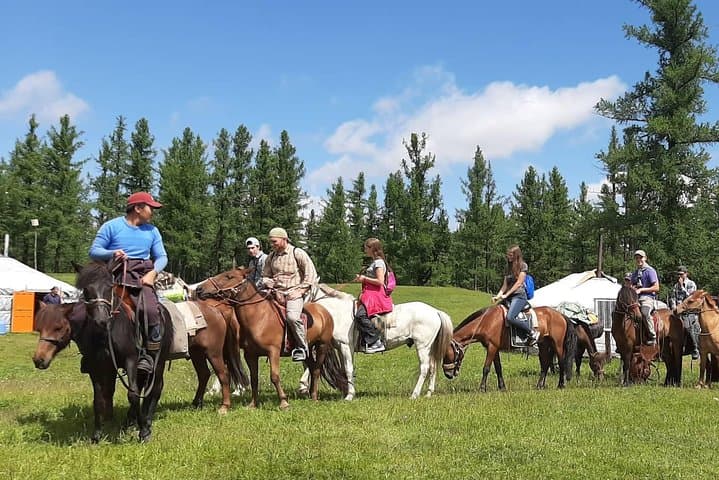
A wind gusts across the steppe and carries the clank of tack and low conversation from a cluster of gers. You stand in a dusty ring as a trainer adjusts your stirrup; beyond the camp the plain rolls away, cut by the silver thread of the Orkhon River and punctuated by distant black dots—the wild horses of Hustai grazing like punctuation marks on the horizon.
Verified experiences and guided adventures in the surrounding area.
Operated by Woodpecker's tours · Ulaanbaatar, Ulaanbaatar
A wind gusts across the steppe and carries the clank of tack and low conversation from a cluster of gers. You stand in a dusty ring as a trainer adjusts your stirrup; beyond the camp the plain rolls away, cut by the silver thread of the Orkhon River and punctuated by distant black dots—the wild horses of Hustai grazing like punctuation marks on the horizon.
This five-day loop out of Ulaanbaatar compresses the essential northern steppe into manageable stages: re-introduction ground for the Przewalski horse at Hustai, the scrubbed dunes and camel humps of Hugnu Khan, long saddle miles through the Orkhon Valley to a waterfall, then a climb to Tuwkhun monastery and a day on Ugii Lake. The route follows human and geological history: the Orkhon Valley is an archaeological corridor where empires passed and left stupa ruins; Kharhorin (ancient Karakorum) was once the Mongol Empire’s capital and today hosts Erdene Zuu monastery, a living reminder of Mongolia’s layered past.
Geology here is honest and weathered—Paleozoic bedrock folded into low ridges, alluvium along river bends, and chalky dunes that the wind sculpts into sharp crests. The climate is continental; days can bake hot and nights drop cold, and the steppe insists on direct engagement: horses that know the land, nomads who read weather from a single cloud, and winds that dare you to hold your hat.
Practical picture: expect 3–8 hours of riding or active movement each day, mostly at walk and trot with occasional uphill stretches. Elevation stays moderate—roughly 1,000–1,800 m—so altitude is rarely a limiting factor, but saddle time taxes cores and thighs. Terrain shifts between packed steppe trails, river flats, sand dunes, and rocky approaches to monasteries.
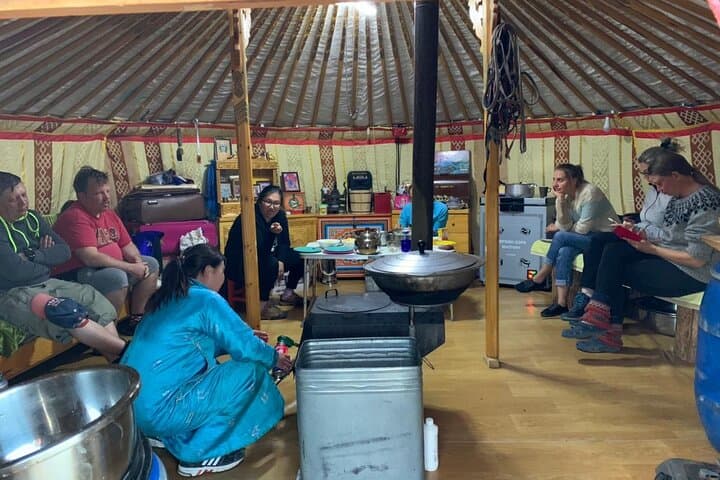
Pack for layers, sun, and wind: a breathable base, warm mid-layer for evenings, and an outer shell. Take closed-toe boots with a low heel for riding, a hydration system, and gloves to protect against blisters on longer rides. Cash is useful in small villages; credit cards are limited outside Ulaanbaatar. Expect simple but comfortable gers and tourist camps—hosts provide local meals, and you’ll sleep to the soundtrack of distant horses.
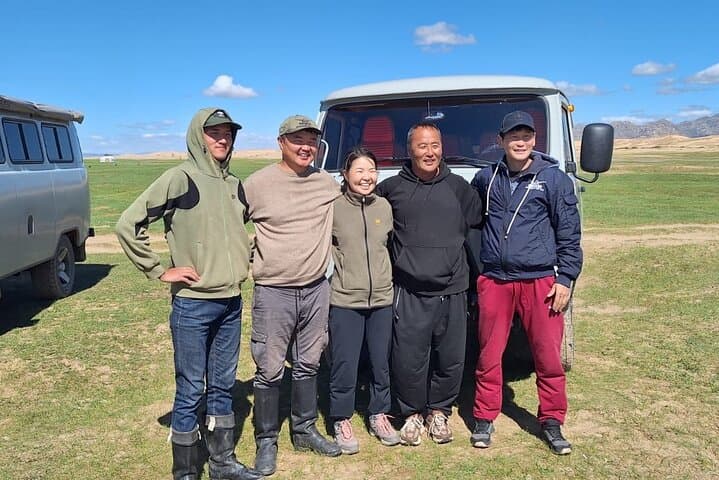
This itinerary is less about ticking sites and more about rhythm: mornings in the saddle, afternoons at a waterfall or monastery, and evenings swapping stories with nomads over shared bowls. For travelers who want concentrated contact with Mongolian pastoral life—less transit, more living—this five-day ride delivers a compact, practical, and stirring primer on the steppe.
moderate.
5 days (approx. 6–8 hours active per day).
Moderate: able to walk comfortably for several hours and spend multiple hours on horseback; good core strength helps.
No—basic riding is taught, but you should be comfortable in the saddle and able to mount/dismount unassisted; instructors tailor pace to skill.
Moderate fitness: multiple hours in the saddle and short hikes; core strength and leg endurance improve comfort.
Yes—nights alternate between nomad gers (homestays) and mid-range tourist camps with simple shared facilities.
Yes—breakfasts, lunches and dinners are included as listed; expect traditional Mongolian dishes with some flexibility for dietary needs if notified.
Operator offers pickup from hotels in Ulaanbaatar; airport pickup is also listed—confirm pickup point and time when booking.
Children can join but infants must sit on laps for transport per operator policy; discuss age and riding ability with the supplier before booking.
Kharhorin (ancient Karakorum) was the Mongol Empire’s capital in the 13th century; nearby Erdene Zuu monastery dates to the 16th century and marks Mongolia’s Buddhist revival.
Hustai National Park protects the reintroduced Takhi and relies on controlled tourism; travelers should follow park rules and avoid feeding or approaching wildlife.
Woodpecker's tours operates guided outdoor trips and adventures with an emphasis on safety, stewardship, and memorable experiences.
A wind gusts across the steppe and carries the clank of tack and low conversation from a cluster of gers. You stand in a dusty ring as a trainer adjusts your stirrup; beyond the camp the plain rolls away, cut by the silver thread of the Orkhon River and punctuated by distant black dots—the wild horses of Hustai grazing like punctuation marks on the horizon.
A wind gusts across the steppe and carries the clank of tack and low conversation from a cluster of gers. You stand in a dusty ring as a trainer adjusts your stirrup; beyond the camp the plain rolls away, cut by the silver thread of the Orkhon River and punctuated by distant black dots—the wild horses of Hustai grazing like punctuation marks on the horizon.
This five-day loop out of Ulaanbaatar compresses the essential northern steppe into manageable stages: re-introduction ground for the Przewalski horse at Hustai, the scrubbed dunes and camel humps of Hugnu Khan, long saddle miles through the Orkhon Valley to a waterfall, then a climb to Tuwkhun monastery and a day on Ugii Lake. The route follows human and geological history: the Orkhon Valley is an archaeological corridor where empires passed and left stupa ruins; Kharhorin (ancient Karakorum) was once the Mongol Empire’s capital and today hosts Erdene Zuu monastery, a living reminder of Mongolia’s layered past.
Geology here is honest and weathered—Paleozoic bedrock folded into low ridges, alluvium along river bends, and chalky dunes that the wind sculpts into sharp crests. The climate is continental; days can bake hot and nights drop cold, and the steppe insists on direct engagement: horses that know the land, nomads who read weather from a single cloud, and winds that dare you to hold your hat.
Practical picture: expect 3–8 hours of riding or active movement each day, mostly at walk and trot with occasional uphill stretches. Elevation stays moderate—roughly 1,000–1,800 m—so altitude is rarely a limiting factor, but saddle time taxes cores and thighs. Terrain shifts between packed steppe trails, river flats, sand dunes, and rocky approaches to monasteries.
Pack for layers, sun, and wind: a breathable base, warm mid-layer for evenings, and an outer shell. Take closed-toe boots with a low heel for riding, a hydration system, and gloves to protect against blisters on longer rides. Cash is useful in small villages; credit cards are limited outside Ulaanbaatar. Expect simple but comfortable gers and tourist camps—hosts provide local meals, and you’ll sleep to the soundtrack of distant horses.
This itinerary is less about ticking sites and more about rhythm: mornings in the saddle, afternoons at a waterfall or monastery, and evenings swapping stories with nomads over shared bowls. For travelers who want concentrated contact with Mongolian pastoral life—less transit, more living—this five-day ride delivers a compact, practical, and stirring primer on the steppe.