THE ADVENTURE COLLECTIVE® · Independent discovery and booking for outdoor travel

Taste five regional mezcals in a colonial tasting room guided by a fifth-generation maestro. Learn agave ecology, production methods, and cultural stories behind Oaxaca’s signature spirit.
Taste five regional mezcals in a colonial tasting room guided by a fifth-generation maestro. Learn agave ecology, production methods, and cultural stories behind Oaxaca’s signature spirit.
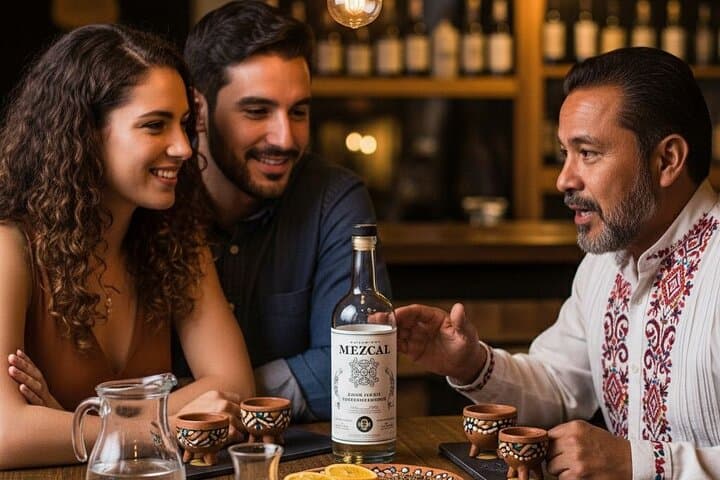
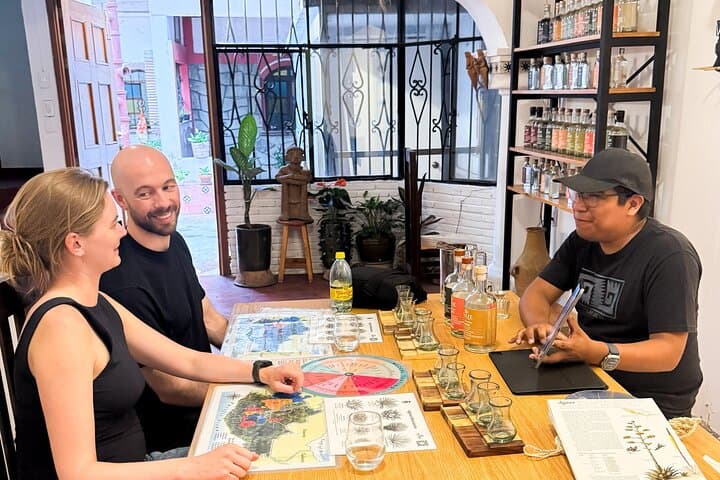
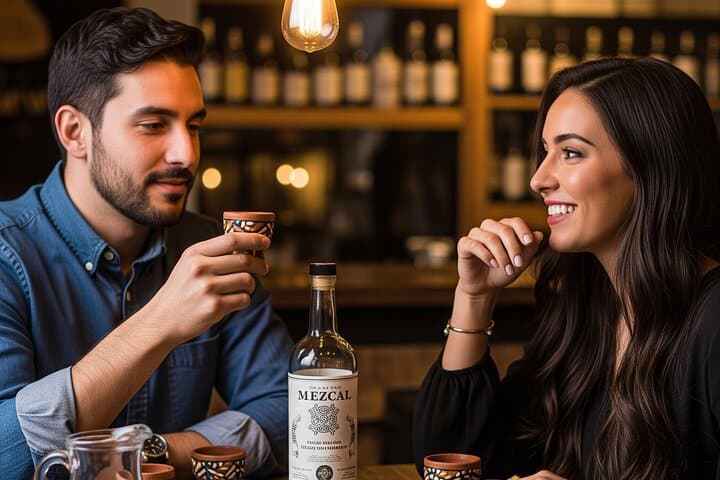
You enter a cool colonial tasting room in the heart of Oaxaca, where sunlight slants through wooden shutters and the air smells faintly of smoke and earth. A fifth-generation maestro mezcalero greets the group, bottles lined like quiet witnesses to a long practice. The first pour arrives and the agave—sharp, sweet, mineral—seems to speak of terraces, volcanic soils, and generations coaxing spirit from plant.
Verified experiences and guided adventures in the surrounding area.
Operated by Mexico Chill · Oaxaca de Juárez, Oaxaca
You enter a cool colonial tasting room in the heart of Oaxaca, where sunlight slants through wooden shutters and the air smells faintly of smoke and earth. A fifth-generation maestro mezcalero greets the group, bottles lined like quiet witnesses to a long practice. The first pour arrives and the agave—sharp, sweet, mineral—seems to speak of terraces, volcanic soils, and generations coaxing spirit from plant.
Mezcal’s roots stretch deep into Oaxaca’s history: agave was used by Zapotec and Mixtec peoples long before Spanish distillation techniques arrived. The region’s geology—rocky slopes and volcanic foothills—creates micro-terroirs that shape each batch. Cultural ritual and craft go hand in hand: palenques (small distilleries) use earthen pits, clay ovens, and copper stills in combinations that alter flavor and aroma.
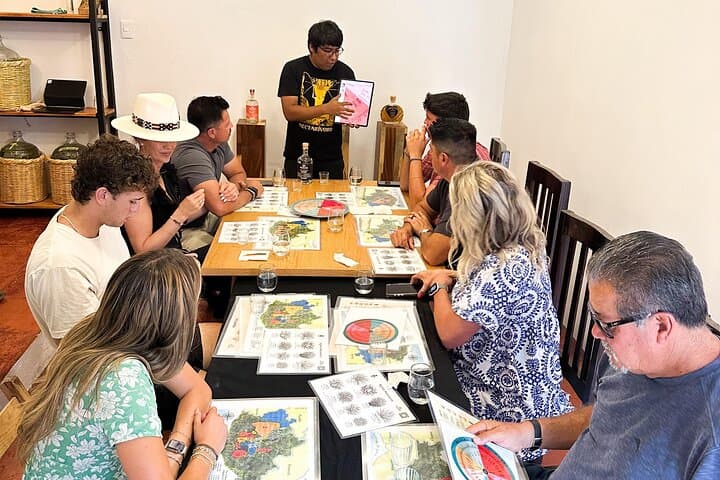
The tasting itself compares five mezcals from different regions and production methods, teaching participants to read smoke, sweetness, and earthiness. Conversation ranges from agave ecology and sustainable harvest practices to the family histories that keep recipes alive.
Practical notes: the tasting lasts about two hours and is held inside El Mercado Negro in central Oaxaca; expect standing and guided pours. Arrive hydrated and sober enough to taste—water is provided. Wear comfortable shoes for cobbled streets before and after, and bring a small notebook if you want to record impressions. If you plan to buy bottles, check customs limits for your return country.
For travelers seeking cultural depth rather than a party, this experience pairs grounded instruction with sensory pleasure—an efficient, thoughtful way to understand why mezcal matters to Oaxaca.
easy.
2 hours.
Light activity—standing and short walks; no special fitness required
Participants must meet Mexico’s legal drinking age (18); organizers typically check ID for purchases.
You can sit out pours or request smaller samples; inform the host of any medical conditions beforehand.
The colonial house has historic architecture—contact the operator ahead of time to confirm accessibility arrangements.
Many tastings offer bottle sales; shipping internationally varies by vendor, so ask the host about packaging and export rules.
Agave has been central to Oaxacan ritual and subsistence for millennia; distillation layered Spanish technology onto indigenous uses, creating modern mezcal traditions.
Rising demand stresses wild agave populations—seek tastings that highlight cultivated, regenerative harvesting and artisanal producers committed to replanting.
Mexico Chill operates guided outdoor trips and adventures with an emphasis on safety, stewardship, and memorable experiences.
You enter a cool colonial tasting room in the heart of Oaxaca, where sunlight slants through wooden shutters and the air smells faintly of smoke and earth. A fifth-generation maestro mezcalero greets the group, bottles lined like quiet witnesses to a long practice. The first pour arrives and the agave—sharp, sweet, mineral—seems to speak of terraces, volcanic soils, and generations coaxing spirit from plant.
You enter a cool colonial tasting room in the heart of Oaxaca, where sunlight slants through wooden shutters and the air smells faintly of smoke and earth. A fifth-generation maestro mezcalero greets the group, bottles lined like quiet witnesses to a long practice. The first pour arrives and the agave—sharp, sweet, mineral—seems to speak of terraces, volcanic soils, and generations coaxing spirit from plant.
Mezcal’s roots stretch deep into Oaxaca’s history: agave was used by Zapotec and Mixtec peoples long before Spanish distillation techniques arrived. The region’s geology—rocky slopes and volcanic foothills—creates micro-terroirs that shape each batch. Cultural ritual and craft go hand in hand: palenques (small distilleries) use earthen pits, clay ovens, and copper stills in combinations that alter flavor and aroma.
The tasting itself compares five mezcals from different regions and production methods, teaching participants to read smoke, sweetness, and earthiness. Conversation ranges from agave ecology and sustainable harvest practices to the family histories that keep recipes alive.
Practical notes: the tasting lasts about two hours and is held inside El Mercado Negro in central Oaxaca; expect standing and guided pours. Arrive hydrated and sober enough to taste—water is provided. Wear comfortable shoes for cobbled streets before and after, and bring a small notebook if you want to record impressions. If you plan to buy bottles, check customs limits for your return country.
For travelers seeking cultural depth rather than a party, this experience pairs grounded instruction with sensory pleasure—an efficient, thoughtful way to understand why mezcal matters to Oaxaca.