THE ADVENTURE COLLECTIVE® · Independent discovery and booking for outdoor travel

Experience an intimate ozashiki evening with a maiko on a Noh stage: live shamisen, up-close dance, kaiseki cuisine and conversation. Small-group, invitation-style format that prioritizes authentic interaction over staged performance.
Experience an intimate ozashiki evening with a maiko on a Noh stage: live shamisen, up-close dance, kaiseki cuisine and conversation. Small-group, invitation-style format that prioritizes authentic interaction over staged performance.
Stepping into the Noh stage, the air tightens with expectation: tatami underfoot, a low halo of lantern light, and the quiet cadence of shamisen strings that seem to measure each breath. Guests gather on the second floor as a maiko in layered kimono moves into the light—every gesture measured, every blink part of a language honed in Kyoto’s hanamachi.
Verified experiences and guided adventures in the surrounding area.
Operated by 舞妓さんと楽しむ京都の四季 · Kyoto, Kyoto Prefecture
Stepping into the Noh stage, the air tightens with expectation: tatami underfoot, a low halo of lantern light, and the quiet cadence of shamisen strings that seem to measure each breath. Guests gather on the second floor as a maiko in layered kimono moves into the light—every gesture measured, every blink part of a language honed in Kyoto’s hanamachi.
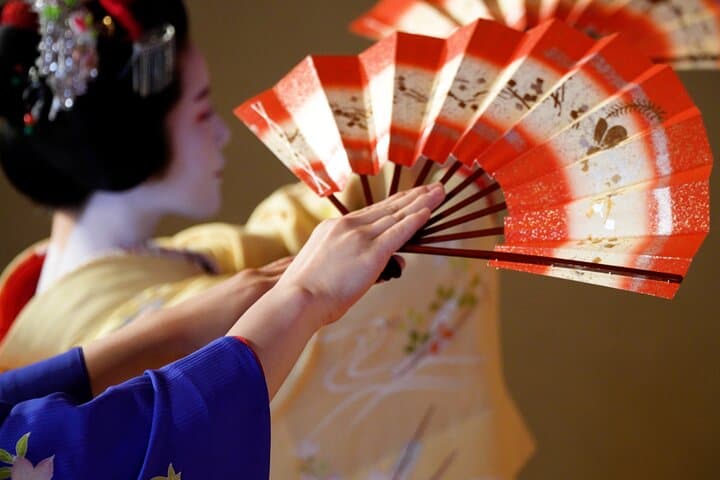
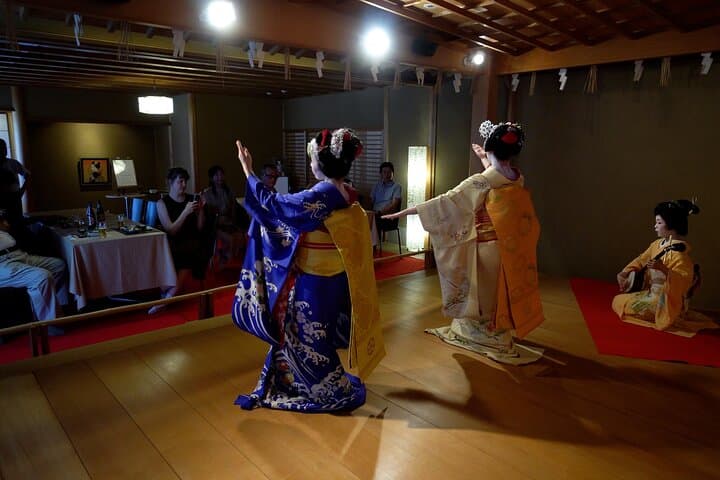
This is less a tourist show and more an ozashiki evening reconstructed from living practice. Maiko are apprentice geisha who train in dance, song and refined hospitality; the Noh stage itself traces a theatrical lineage back centuries while Kyoto’s basin—cradled by low hills—shaped the city’s intimate teahouse culture. Between the live shamisen, a multi-course kaiseki dinner, and playful ozashiki games, you get history, performance and conversation in one room.
Expect an intimate, invitation-style program: photo time on the stage (tabi or socks required), a welcome toast, multiple dances, a kimono and kanzashi demonstration, and guided Q&A. Practical details matter—arrive on time, turn phone sound off, and be ready for close interaction rather than a distant spectacle. Public transport drops you close; the event runs about two hours and includes unlimited drinks for the set period.
For planning: notify dietary restrictions in advance, bring small bills for incidental purchases, and treat the evening as a cultural exchange—listen, ask gracious questions, and follow the host’s lead. This is an evening designed to teach as much as to charm: personal, grounded, and unmistakably Kyoto.
easy.
2 hours.
Suitable for all fitness levels; mostly seated and low-movement social activities
No — the program recreates an authentic ozashiki evening with small-group interaction and elements drawn from real hanamachi practice.
Infants may attend but must sit on a lap; the event is best for school-age children who can sit quietly during performance segments.
The event lists wheelchair accessibility; contact the operator in advance to confirm specific floor access and seating arrangements.
Yes — two-shot photos on the Noh stage are part of the program, but follow staff instructions and avoid flash during dance sequences.
Maiko and geisha culture developed in Kyoto’s hanamachi districts; ozashiki gatherings are an evolution of private teahouse entertainment dating back centuries.
Respectful tourism keeps these traditions alive—follow photo rules, support certified guides, and avoid disrupting performers or private teahouses.
舞妓さんと楽しむ京都の四季 operates guided outdoor trips and adventures with an emphasis on safety, stewardship, and memorable experiences.
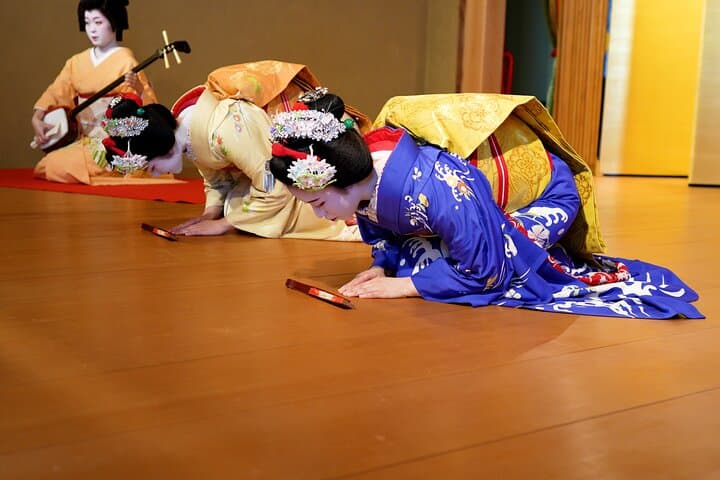
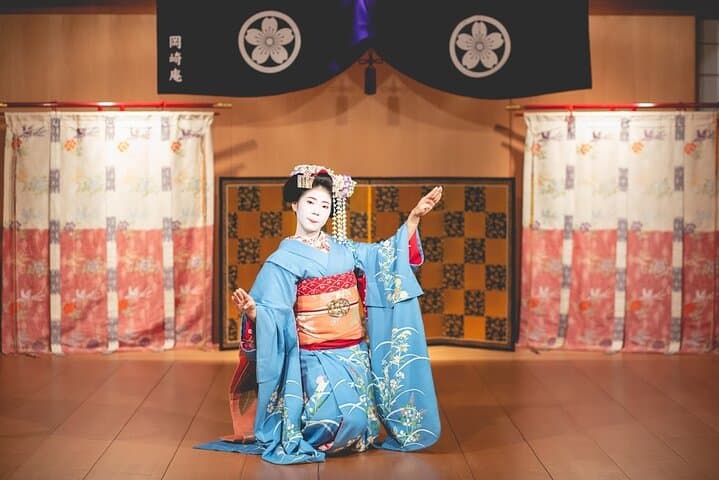
Stepping into the Noh stage, the air tightens with expectation: tatami underfoot, a low halo of lantern light, and the quiet cadence of shamisen strings that seem to measure each breath. Guests gather on the second floor as a maiko in layered kimono moves into the light—every gesture measured, every blink part of a language honed in Kyoto’s hanamachi.
Stepping into the Noh stage, the air tightens with expectation: tatami underfoot, a low halo of lantern light, and the quiet cadence of shamisen strings that seem to measure each breath. Guests gather on the second floor as a maiko in layered kimono moves into the light—every gesture measured, every blink part of a language honed in Kyoto’s hanamachi.
This is less a tourist show and more an ozashiki evening reconstructed from living practice. Maiko are apprentice geisha who train in dance, song and refined hospitality; the Noh stage itself traces a theatrical lineage back centuries while Kyoto’s basin—cradled by low hills—shaped the city’s intimate teahouse culture. Between the live shamisen, a multi-course kaiseki dinner, and playful ozashiki games, you get history, performance and conversation in one room.
Expect an intimate, invitation-style program: photo time on the stage (tabi or socks required), a welcome toast, multiple dances, a kimono and kanzashi demonstration, and guided Q&A. Practical details matter—arrive on time, turn phone sound off, and be ready for close interaction rather than a distant spectacle. Public transport drops you close; the event runs about two hours and includes unlimited drinks for the set period.
For planning: notify dietary restrictions in advance, bring small bills for incidental purchases, and treat the evening as a cultural exchange—listen, ask gracious questions, and follow the host’s lead. This is an evening designed to teach as much as to charm: personal, grounded, and unmistakably Kyoto.