THE ADVENTURE COLLECTIVE® · Independent discovery and booking for outdoor travel

Explore Puerto Limón on foot with local guides who illuminate Afro‑Caribbean history, colonial-era architecture and neighborhood stories. This 2–3 hour downtown walk mixes cultural context with practical local tips and a cacao tasting.
Explore Puerto Limón on foot with local guides who illuminate Afro‑Caribbean history, colonial-era architecture and neighborhood stories. This 2–3 hour downtown walk mixes cultural context with practical local tips and a cacao tasting.
Early-morning light slices across Limón’s waterfront and the Caribbean breeze urges your pace as you step from the palm-lined malecon into the grid of painted wooden façades and Art Deco masonry. Streets hum with market vendors, church bells and the low rhythms of calypso that still shape local speech; this is a walking tour that puts culture before checklist.
Verified experiences and guided adventures in the surrounding area.
Operated by Oropopo Experience · Limón, Limón Province
Early-morning light slices across Limón’s waterfront and the Caribbean breeze urges your pace as you step from the palm-lined malecon into the grid of painted wooden façades and Art Deco masonry. Streets hum with market vendors, church bells and the low rhythms of calypso that still shape local speech; this is a walking tour that puts culture before checklist.
The downtown grew alongside the banana trade and the arrival of Afro‑Caribbean workers from Jamaica in the late 19th and early 20th centuries. Expect conversations about the United Fruit Company, Marcus Garvey’s influence and the Protestant and Catholic churches that anchor the community — historic threads visible in architecture and public spaces.
Geologically the coast is a flat, alluvial plain edged by mangrove channels; the nearby Caribbean is shallow and warm, which shaped Limón’s port economy and barrio layout. Cultural detail is the aim here: stop at the old Post Office, pass by the First Protestant church, and hear local stories that don’t appear in textbooks.
Practical guidance: tours run about 2–3 hours, cover mostly paved streets and a few blocks of uneven sidewalk, and are suitable for most fitness levels. Bring sunscreen, mosquito repellent, a refillable water bottle and small bills for snacks or donations to local vendors. A light rain jacket is useful — sudden tropical showers are common.
The experience is low‑impact but rich in context: walk slowly, listen to residents, taste cacao, and let the neighborhood’s personality inform your day — not a photo-op but a living, audible history.
easy.
2–3 hours.
Suitable for most fitness levels; mostly flat, urban walking for up to 3 hours
Yes — the listing notes wheelchair-accessible routes and surfaces; inform the operator of any mobility needs when booking.
Guides commonly speak Spanish and English; confirm language availability when you book if you require another language.
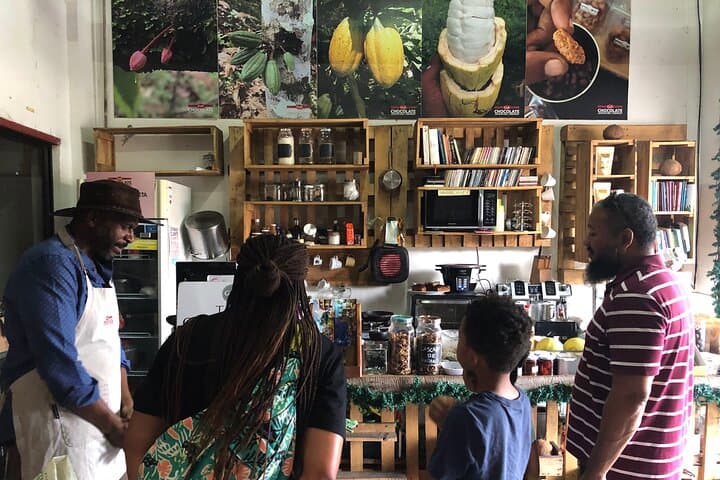
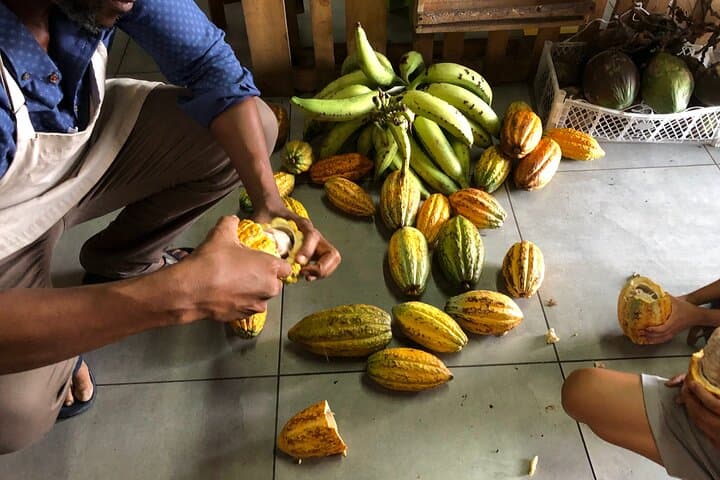
The tour includes a cacao tasting; additional snacks or meals are not included, so bring cash if you want to buy local treats.
Full refund available if you cancel at least 24 hours before the scheduled departure time.
Limón’s downtown developed around the banana export economy and the arrival of Afro‑Caribbean laborers in the late 1800s; that history shaped the city’s religion, music and built environment.
Coastal development and tourism pressure affect mangroves and nearshore waters; choose local operators who support waste reduction and community-led conservation.
Oropopo Experience operates guided outdoor trips and adventures with an emphasis on safety, stewardship, and memorable experiences.
Early-morning light slices across Limón’s waterfront and the Caribbean breeze urges your pace as you step from the palm-lined malecon into the grid of painted wooden façades and Art Deco masonry. Streets hum with market vendors, church bells and the low rhythms of calypso that still shape local speech; this is a walking tour that puts culture before checklist.
Early-morning light slices across Limón’s waterfront and the Caribbean breeze urges your pace as you step from the palm-lined malecon into the grid of painted wooden façades and Art Deco masonry. Streets hum with market vendors, church bells and the low rhythms of calypso that still shape local speech; this is a walking tour that puts culture before checklist.
The downtown grew alongside the banana trade and the arrival of Afro‑Caribbean workers from Jamaica in the late 19th and early 20th centuries. Expect conversations about the United Fruit Company, Marcus Garvey’s influence and the Protestant and Catholic churches that anchor the community — historic threads visible in architecture and public spaces.
Geologically the coast is a flat, alluvial plain edged by mangrove channels; the nearby Caribbean is shallow and warm, which shaped Limón’s port economy and barrio layout. Cultural detail is the aim here: stop at the old Post Office, pass by the First Protestant church, and hear local stories that don’t appear in textbooks.
Practical guidance: tours run about 2–3 hours, cover mostly paved streets and a few blocks of uneven sidewalk, and are suitable for most fitness levels. Bring sunscreen, mosquito repellent, a refillable water bottle and small bills for snacks or donations to local vendors. A light rain jacket is useful — sudden tropical showers are common.
The experience is low‑impact but rich in context: walk slowly, listen to residents, taste cacao, and let the neighborhood’s personality inform your day — not a photo-op but a living, audible history.