THE ADVENTURE COLLECTIVE® · Independent discovery and booking for outdoor travel

Step into an official kyudo hall in Tokyo for a two-hour introduction to Japan’s traditional archery. Under a certified DAN-level instructor, visitors learn ritualized form, receive tailored equipment, and practice shots in a genuine training range.
Step into an official kyudo hall in Tokyo for a two-hour introduction to Japan’s traditional archery. Under a certified DAN-level instructor, visitors learn ritualized form, receive tailored equipment, and practice shots in a genuine training range.
The hall smells faintly of polished wood and dust; an archer takes a steady breath, string taut, the bamboo shaft poised like a line drawn between past and present.
Verified experiences and guided adventures in the surrounding area.
Operated by beautiful day tours · Tokyo, Tokyo
The hall smells faintly of polished wood and dust; an archer takes a steady breath, string taut, the bamboo shaft poised like a line drawn between past and present.
This Tokyo experience places visitors at an official kyudo range where the modern discipline—born from samurai-era kyujutsu and refined through Zen-influenced ritual—meets practical instruction. Kyudo emphasizes posture, breath, and intention as much as accuracy, and many Tokyo dojos remain active training sites for local archers.
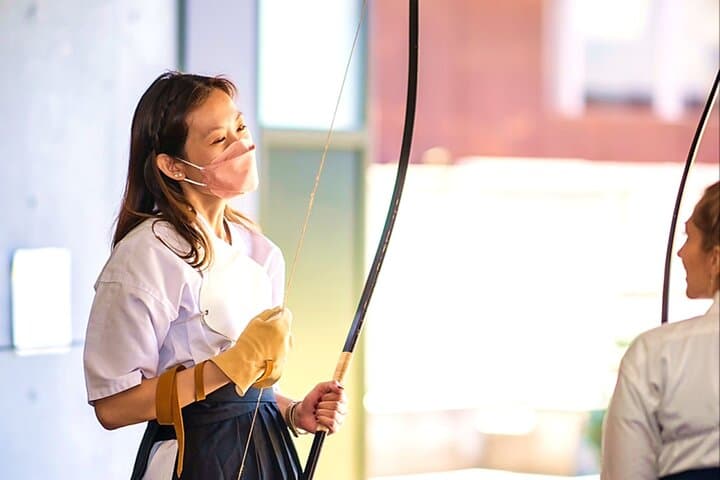
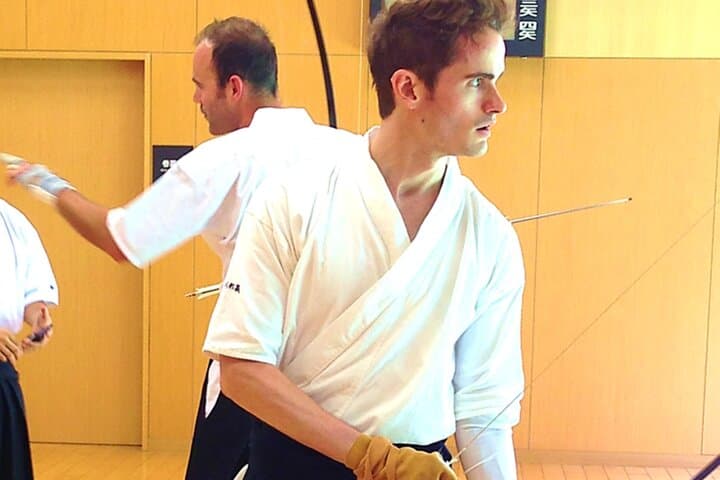
The setting is typically an indoor competition-style range rather than a tourist set-piece; traditional bows (yumi) and arrows are matched to each participant, and a certified DAN-level instructor guides form, release, and etiquette. Participants are introduced to basic history, the ritualized sequence of movements, and the cultural expectations around silence, respect, and minimal photography.
Practically, the program runs about two hours and suits adults of varied fitness levels. Expect brief cultural orientation, kimonolike dōgi fitting (optional purchase), hands-on instruction, and repetitive shooting practice. Arrive on time—the venue changes by day and latecomers cannot join. Follow the instructor’s guidance on clothing and movement; some halls require shoe removal and modest dress. Cash is needed if you opt to buy the uniform.
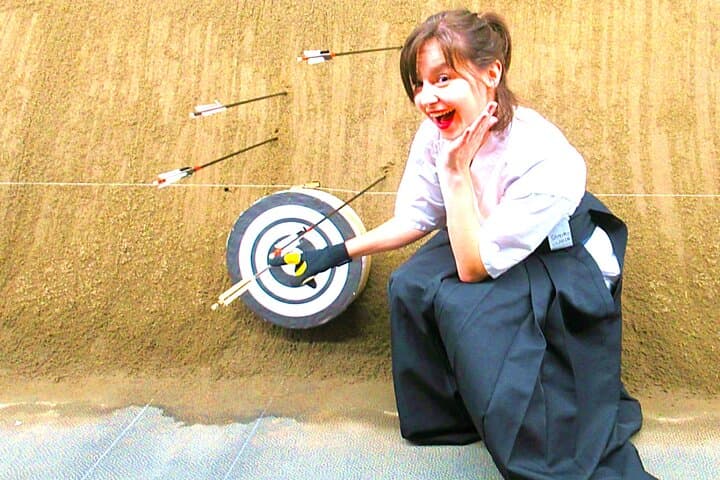
For travelers, this is a compact, high-impact cultural-physical hybrid: it trains focus, rewards measured repetition, and offers a rare chance to step into a living Japanese martial art rather than a staged demonstration. Bring curiosity, listen closely, and be prepared for quiet concentration as much as for the satisfying thwack of a well-shot arrow.
easy.
2 hours.
Suitable for most adults; light mobility and ability to stand and kneel briefly recommended
No—this program is beginner-friendly and designed for first-timers to learn basic kyudo form and shooting sequences.
Participants must be 18 or older according to the program rules.
Photography and video are often restricted inside the facility; follow the instructor’s guidelines and ask before taking any images.
Late arrivals are not permitted to join and all sales are final—there are no refunds for cancellations.
Kyudo developed from samurai-era archery (kyujutsu) and evolved into a disciplined practice combining technique and meditative training in the 20th century.
Respect dojo rules, minimize noise, and avoid litter; many ranges operate within shared community or shrine spaces where cultural preservation matters.
beautiful day tours operates guided outdoor trips and adventures with an emphasis on safety, stewardship, and memorable experiences.
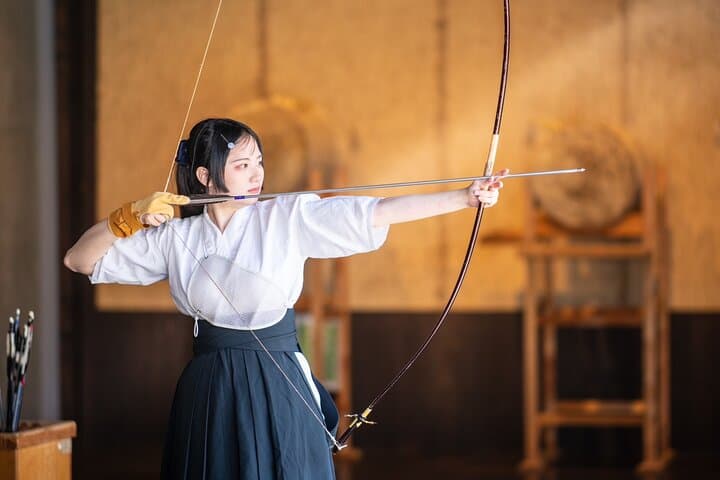
The hall smells faintly of polished wood and dust; an archer takes a steady breath, string taut, the bamboo shaft poised like a line drawn between past and present.
The hall smells faintly of polished wood and dust; an archer takes a steady breath, string taut, the bamboo shaft poised like a line drawn between past and present.
This Tokyo experience places visitors at an official kyudo range where the modern discipline—born from samurai-era kyujutsu and refined through Zen-influenced ritual—meets practical instruction. Kyudo emphasizes posture, breath, and intention as much as accuracy, and many Tokyo dojos remain active training sites for local archers.
The setting is typically an indoor competition-style range rather than a tourist set-piece; traditional bows (yumi) and arrows are matched to each participant, and a certified DAN-level instructor guides form, release, and etiquette. Participants are introduced to basic history, the ritualized sequence of movements, and the cultural expectations around silence, respect, and minimal photography.
Practically, the program runs about two hours and suits adults of varied fitness levels. Expect brief cultural orientation, kimonolike dōgi fitting (optional purchase), hands-on instruction, and repetitive shooting practice. Arrive on time—the venue changes by day and latecomers cannot join. Follow the instructor’s guidance on clothing and movement; some halls require shoe removal and modest dress. Cash is needed if you opt to buy the uniform.
For travelers, this is a compact, high-impact cultural-physical hybrid: it trains focus, rewards measured repetition, and offers a rare chance to step into a living Japanese martial art rather than a staged demonstration. Bring curiosity, listen closely, and be prepared for quiet concentration as much as for the satisfying thwack of a well-shot arrow.