THE ADVENTURE COLLECTIVE® · Independent discovery and booking for outdoor travel

From Seoul’s palace gates to Maisan’s twin peaks and the tidal reedbeds of Suncheonman, this six‑day western Korea circuit mixes hands‑on cultural workshops with heritage sites and coastal nature. Expect moderate walking, local food, and daily short hikes between towns.
From Seoul’s palace gates to Maisan’s twin peaks and the tidal reedbeds of Suncheonman, this six‑day western Korea circuit mixes hands‑on cultural workshops with heritage sites and coastal nature. Expect moderate walking, local food, and daily short hikes between towns.
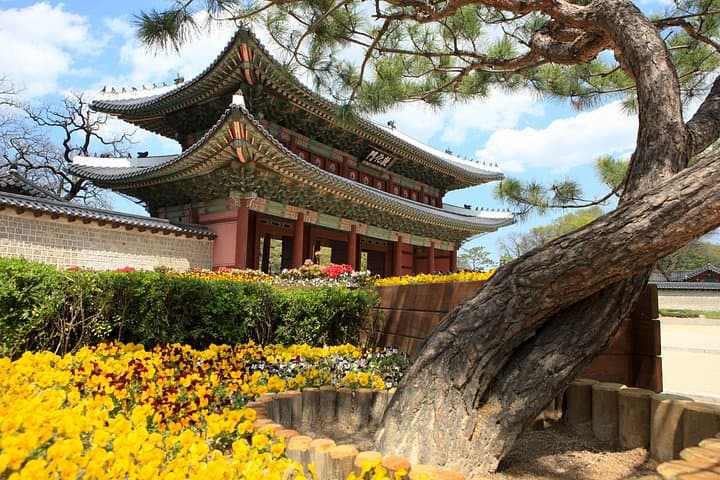
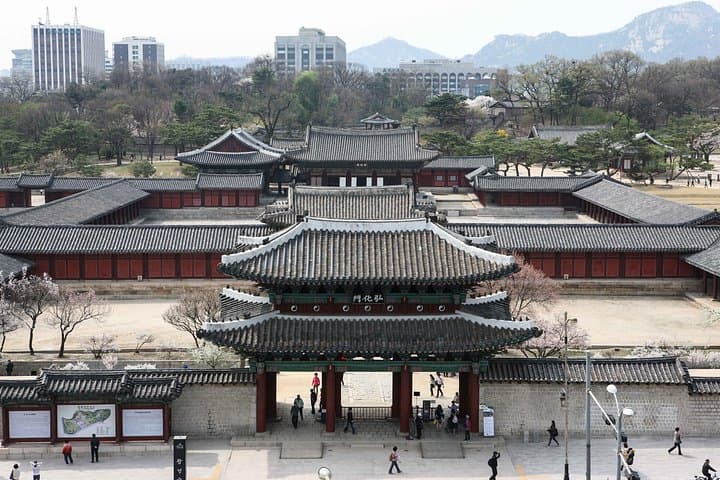
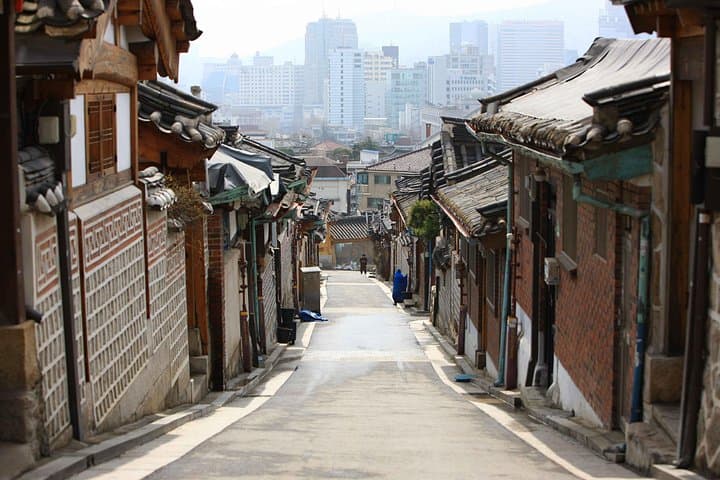
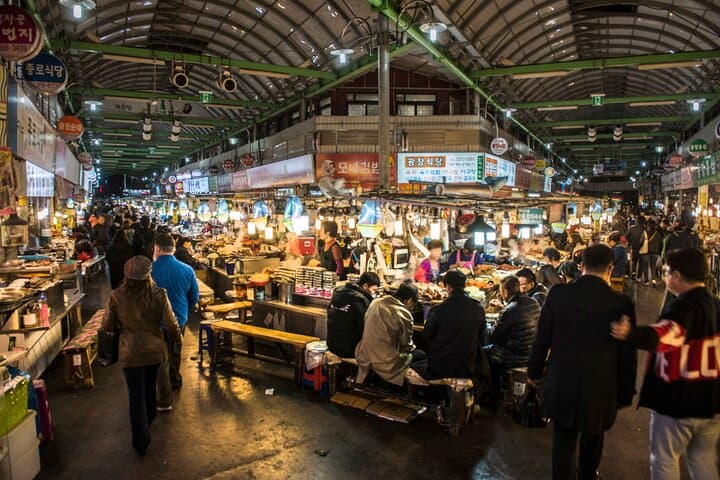
You step through the painted gates of a Joseon palace as morning light chisels the roofline — the city’s pulse slows and a different Korea opens up. Over six days the route peels west from Seoul’s royal courtyards and market alleys into low mountains, reedbeds, fortress walls and seaside villages, each place asking you to move a little slower and listen.
Verified experiences and guided adventures in the surrounding area.
Operated by Etrip Inc. · Seoul, Seoul
You step through the painted gates of a Joseon palace as morning light chisels the roofline — the city’s pulse slows and a different Korea opens up. Over six days the route peels west from Seoul’s royal courtyards and market alleys into low mountains, reedbeds, fortress walls and seaside villages, each place asking you to move a little slower and listen.
The tour threads imperial Joseon history in Seoul with the ancient Baekje legacy around Gongju, where Gongsanseong overlooks the Geumgang River and tells a story of shifting capitals. Maisan’s twin cone peaks (Ammaibong 687.4 m, Sumaibong 681.1 m) are volcanic in origin, their odd rock forms punctuated by stacked stone pagodas at Tapsa. Jeonju’s Hanok Village preserves early 20th‑century urban hanok life; you shape hanji and gochujang, tasting foodways conserved across dynasties. Suncheonman Wetland’s 3 km of mudflats and reed beds invite careful boardwalk walks and birdwatching, while Tongyeong and Busan bring coastal murals, naval history and busier fish markets.
Practically: travel is by air‑conditioned coach with daily short walks and several museum or temple visits; entrance fees and most lunches are included. Expect moderate activity — some uneven paths at Maisan, long periods on the coach, and boardwalks at wetlands. Pack comfortable walking shoes, sun protection, and a small daypack for water and layers. Bring cash for market purchases and a lightweight rain jacket for sudden showers. Multilingual guide options are available by request. This itinerary balances cultural immersion and natural highlights — plan to move deliberately and let historic sites and coastal landscapes set the pace.
moderate.
6 days (daily 6–9 hours including transfers).
Suitable for travelers with moderate fitness; able to walk several kilometers over varied terrain and handle short stair climbs.
Most lunches (6) and breakfasts (5) are included as listed; dinners are generally independent so you can explore local cuisine.
Yes — French, German and Spanish guides can be provided on request; notify the operator in advance to arrange availability.
Walks are short to moderate (urban walking, temple steps, boardwalks and short hikes on Maisan); a moderate fitness level is recommended.
Full refund if canceled at least 6 full days before departure; 50% if canceled 2–6 days prior; no refund within 2 days of departure.
Sites on the route reflect long timelines: Gongsanseong points to Baekje’s 5th–6th century importance while Seoul’s palaces are core Joseon dynasty heritage from the 14th–19th centuries.
Suncheonman is a protected coastal wetland—stick to boardwalks and avoid disturbing reedbeds; cultural sites depend on visitor respect for preservation and local rituals.
Etrip Inc. operates guided outdoor trips and adventures with an emphasis on safety, stewardship, and memorable experiences.
You step through the painted gates of a Joseon palace as morning light chisels the roofline — the city’s pulse slows and a different Korea opens up. Over six days the route peels west from Seoul’s royal courtyards and market alleys into low mountains, reedbeds, fortress walls and seaside villages, each place asking you to move a little slower and listen.
You step through the painted gates of a Joseon palace as morning light chisels the roofline — the city’s pulse slows and a different Korea opens up. Over six days the route peels west from Seoul’s royal courtyards and market alleys into low mountains, reedbeds, fortress walls and seaside villages, each place asking you to move a little slower and listen.
The tour threads imperial Joseon history in Seoul with the ancient Baekje legacy around Gongju, where Gongsanseong overlooks the Geumgang River and tells a story of shifting capitals. Maisan’s twin cone peaks (Ammaibong 687.4 m, Sumaibong 681.1 m) are volcanic in origin, their odd rock forms punctuated by stacked stone pagodas at Tapsa. Jeonju’s Hanok Village preserves early 20th‑century urban hanok life; you shape hanji and gochujang, tasting foodways conserved across dynasties. Suncheonman Wetland’s 3 km of mudflats and reed beds invite careful boardwalk walks and birdwatching, while Tongyeong and Busan bring coastal murals, naval history and busier fish markets.
Practically: travel is by air‑conditioned coach with daily short walks and several museum or temple visits; entrance fees and most lunches are included. Expect moderate activity — some uneven paths at Maisan, long periods on the coach, and boardwalks at wetlands. Pack comfortable walking shoes, sun protection, and a small daypack for water and layers. Bring cash for market purchases and a lightweight rain jacket for sudden showers. Multilingual guide options are available by request. This itinerary balances cultural immersion and natural highlights — plan to move deliberately and let historic sites and coastal landscapes set the pace.