THE ADVENTURE COLLECTIVE® · Independent discovery and booking for outdoor travel

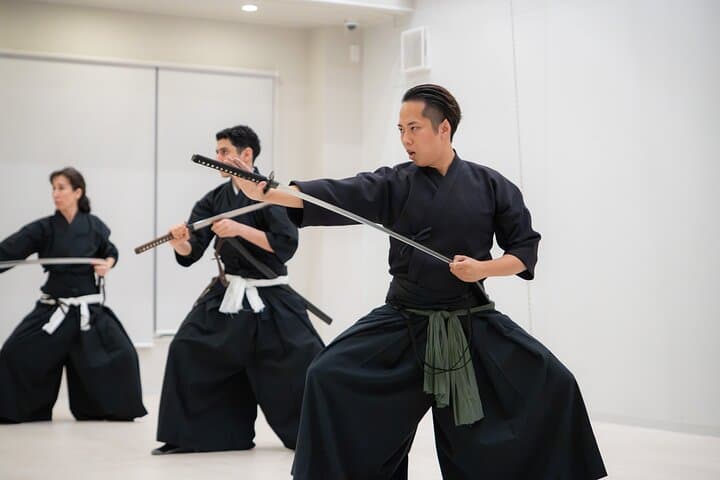
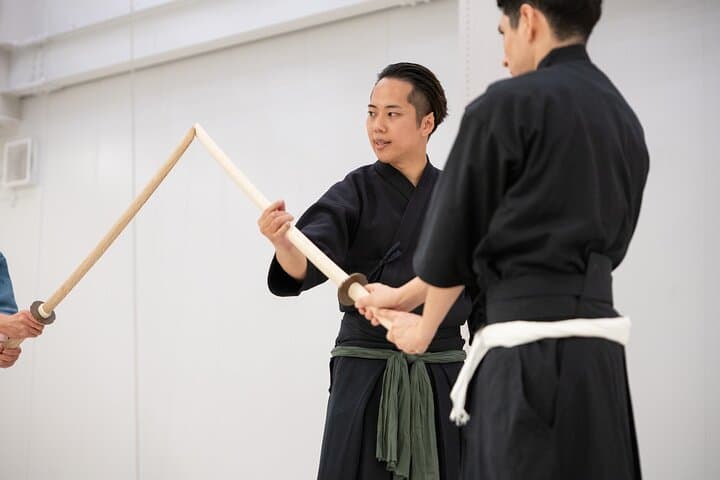
Train inside a functioning 400-year-old kobudo lineage in Kyoto. This is genuine Asayama Ichiden Ryū Hyōhō practice—expect strict etiquette, wooden swords, and instruction alongside local students.
Train inside a functioning 400-year-old kobudo lineage in Kyoto. This is genuine Asayama Ichiden Ryū Hyōhō practice—expect strict etiquette, wooden swords, and instruction alongside local students.
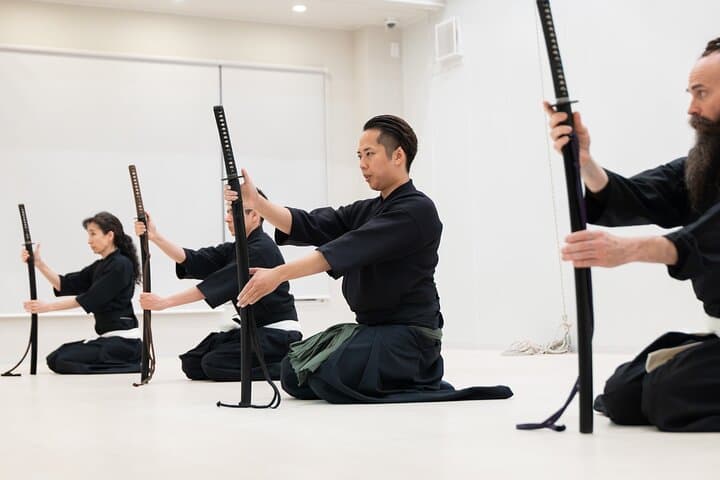
You step off a narrow Kyoto side street into a low, wooden dojo; light from paper shōji screens paints the tatami in quiet rectangles while the distant Kamo River keeps time beyond the city. The smell of oiled bokutō and polished wood fills the air as local students fold into rei (bowing etiquette) and the instructor calls the first posture.
Verified experiences and guided adventures in the surrounding area.
Operated by Let's ask Shogo · Kyoto, Kyoto Prefecture
You step off a narrow Kyoto side street into a low, wooden dojo; light from paper shōji screens paints the tatami in quiet rectangles while the distant Kamo River keeps time beyond the city. The smell of oiled bokutō and polished wood fills the air as local students fold into rei (bowing etiquette) and the instructor calls the first posture.
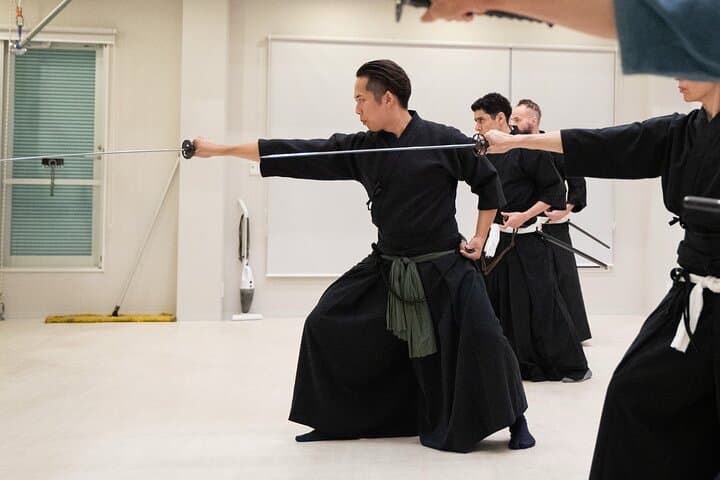
Asayama Ichiden Ryū Hyōhō traces over 400 years to the armored samurai era, preserving kenjutsu and iaijutsu methods once practiced on battlefield terrain. Kyoto’s shallow basin and nearby hills shaped movements and stances—techniques meant for armor, close quarters and swift drawing. Training here is cultural practice as much as physical; expect formal etiquette, layered instruction and a focus on precision rather than spectacle.
Practical guidance: sessions run about three hours and include warm-up, etiquette (reihō), iaijutsu drills and partnered kenjutsu practice. This is a real dojo class open to practitioners who already have some budo experience; new students are assessed case-by-case. Training equipment such as bokutō is usually provided, but come in clean, flexible clothing, remove jewelry, and be prepared for floor work and low stances. The session is moderately demanding—core and hip mobility matter more than brute strength.
Respect the rhythm: arrive early to bow in, follow the instructor’s corrections, and refrain from casual photography. If you have spinal, cardiovascular concerns, or are pregnant, this activity is not recommended. For eager beginners, contact the dojo for a consultation before booking.
challenging.
3 hours.
Moderate: good core strength, hip mobility, and stamina for repeated low stances and partner drills are helpful.
Generally yes—this is a regular dojo session. Beginners may be accepted only after a consultation to assess safety and readiness.
No—most dojo etiquette forbids casual photography during training; always ask permission if you wish to document anything.
Participants with spinal injuries, serious heart conditions, or pregnancy are advised not to participate; disclose health issues before booking.
Training equipment, including bokutō, is typically provided, but you should confirm with the organizer if you prefer to bring your own.
Asayama Ichiden Ryū Hyōhō preserves swordcraft and weapons techniques developed in the samurai era more than four centuries ago, retaining formal etiquette and armored-era principles.
The dojo emphasizes cultural preservation—follow rules, avoid wearing street shoes on tatami, and support local traditions by respecting instruction and space.
Let's ask Shogo operates guided outdoor trips and adventures with an emphasis on safety, stewardship, and memorable experiences.
You step off a narrow Kyoto side street into a low, wooden dojo; light from paper shōji screens paints the tatami in quiet rectangles while the distant Kamo River keeps time beyond the city. The smell of oiled bokutō and polished wood fills the air as local students fold into rei (bowing etiquette) and the instructor calls the first posture.
You step off a narrow Kyoto side street into a low, wooden dojo; light from paper shōji screens paints the tatami in quiet rectangles while the distant Kamo River keeps time beyond the city. The smell of oiled bokutō and polished wood fills the air as local students fold into rei (bowing etiquette) and the instructor calls the first posture.
Asayama Ichiden Ryū Hyōhō traces over 400 years to the armored samurai era, preserving kenjutsu and iaijutsu methods once practiced on battlefield terrain. Kyoto’s shallow basin and nearby hills shaped movements and stances—techniques meant for armor, close quarters and swift drawing. Training here is cultural practice as much as physical; expect formal etiquette, layered instruction and a focus on precision rather than spectacle.
Practical guidance: sessions run about three hours and include warm-up, etiquette (reihō), iaijutsu drills and partnered kenjutsu practice. This is a real dojo class open to practitioners who already have some budo experience; new students are assessed case-by-case. Training equipment such as bokutō is usually provided, but come in clean, flexible clothing, remove jewelry, and be prepared for floor work and low stances. The session is moderately demanding—core and hip mobility matter more than brute strength.
Respect the rhythm: arrive early to bow in, follow the instructor’s corrections, and refrain from casual photography. If you have spinal, cardiovascular concerns, or are pregnant, this activity is not recommended. For eager beginners, contact the dojo for a consultation before booking.