THE ADVENTURE COLLECTIVE® · Independent discovery and booking for outdoor travel

Spend a half-day with a local Hoi An tailor to design and fit a custom garment, from fabric scouting to fittings and hotel delivery. Learn how centuries of trade shaped the city’s tailoring talent while leaving with a unique, well-made piece.
Spend a half-day with a local Hoi An tailor to design and fit a custom garment, from fabric scouting to fittings and hotel delivery. Learn how centuries of trade shaped the city’s tailoring talent while leaving with a unique, well-made piece.
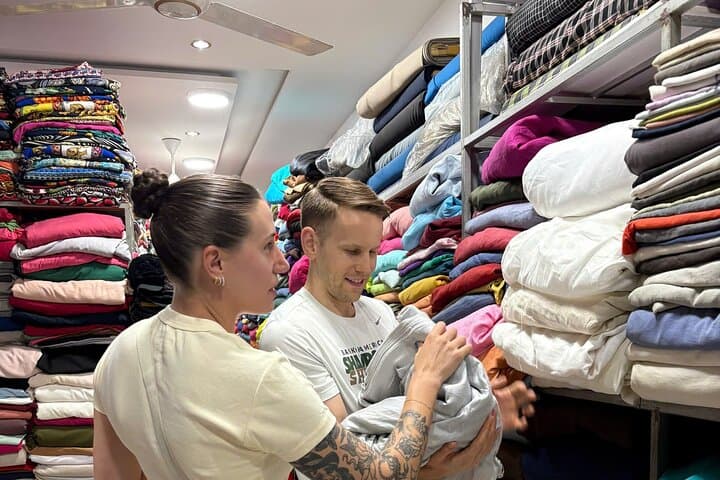
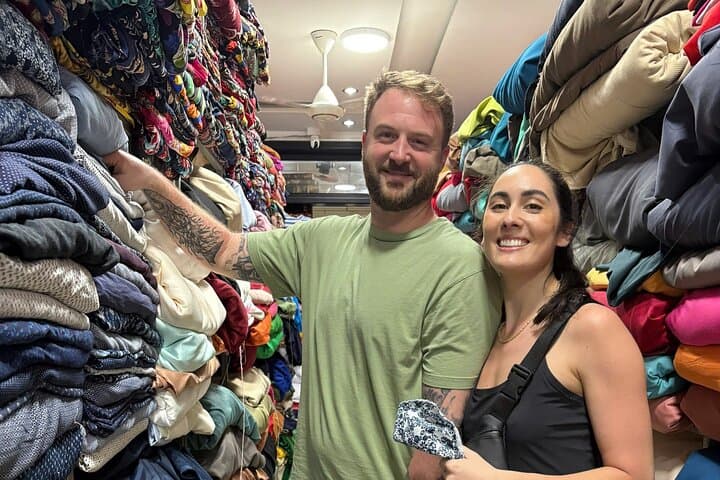
The day begins on a narrow lane off the Thu Bon River, where fabric bolts lean like quiet promises and the air carries the roast of Vietnamese coffee. A local tailor greets you in a compact workshop—measuring tape in hand—and the city hums around you: bicycles, lantern light preparing for evening, the smell of starched cotton.
Verified experiences and guided adventures in the surrounding area.
Operated by Lalua Design · Hoi An, Quang Nam
The day begins on a narrow lane off the Thu Bon River, where fabric bolts lean like quiet promises and the air carries the roast of Vietnamese coffee. A local tailor greets you in a compact workshop—measuring tape in hand—and the city hums around you: bicycles, lantern light preparing for evening, the smell of starched cotton.
Hoi An’s tailoring craft grew out of its centuries-old role as a trading port, absorbing silk, linen, and cutting techniques from Chinese, Japanese, and European visitors. Local workshops today balance traditional hand-finishing with streamlined fittings, and many tailors will alter Western patterns to fit Southeast Asian bodies. The nearby river and rice paddies supply natural dyes and regional motifs that show up in prints and trims.
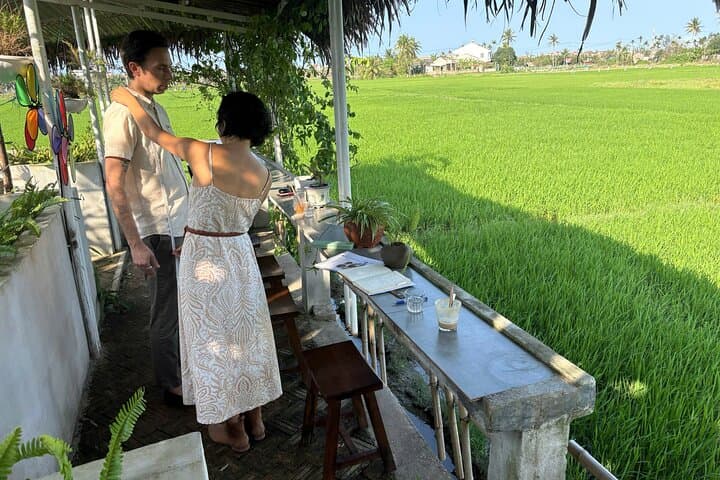
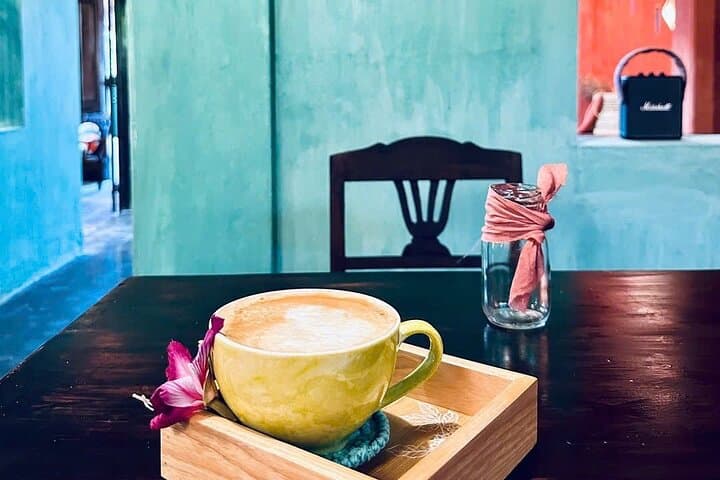
Expect a relaxed, service-oriented flow: a guided visit to curated fabric shops, a coffee break to finalize design choices, an initial measurement and patterning session, then a return fitting within a day or two. Communication is key—prepare reference photos and be specific about fit and hem lengths. Tailors here pride themselves on quick turnaround; most pieces are ready for a first fitting in 24–48 hours.
Practical notes: bring exact footwear if ordering trousers or shoes, carry cash for small adjustments, and confirm delivery options (many workshops will ship internationally for an extra fee). Timing your order early in your stay leaves room for revisions; late bookings risk rushed work. This experience is as much about learning local craft as it is about leaving with a well-made garment.
easy.
3–4 hours.
No special fitness required; primarily standing and light walking in markets and workshops
Most standard pieces are ready for an initial fitting in 24–48 hours; final delivery after adjustments can take 48–72 hours depending on complexity.
Many tailors can reproduce styles from photos, but exact replicas of branded designs may be restricted; discuss fabric substitution and fit expectations upfront.
Yes—many workshops offer international shipping for an extra fee; ask about packaging, tracking, and customs responsibilities before paying.
Workshops typically include at least one free alteration; bring the item to the follow-up fitting and be precise about the changes you want.
Hoi An’s tailoring skill developed during its role as a major trading port (17th–19th centuries), absorbing fabrics and sewing methods from Asian and European merchants.
Choose tailors who source responsibly—locally produced fibers and careful patterning reduce waste; bringing your own pre-loved fabrics for alterations extends clothing life.
Lalua Design operates guided outdoor trips and adventures with an emphasis on safety, stewardship, and memorable experiences.
The day begins on a narrow lane off the Thu Bon River, where fabric bolts lean like quiet promises and the air carries the roast of Vietnamese coffee. A local tailor greets you in a compact workshop—measuring tape in hand—and the city hums around you: bicycles, lantern light preparing for evening, the smell of starched cotton.
The day begins on a narrow lane off the Thu Bon River, where fabric bolts lean like quiet promises and the air carries the roast of Vietnamese coffee. A local tailor greets you in a compact workshop—measuring tape in hand—and the city hums around you: bicycles, lantern light preparing for evening, the smell of starched cotton.
Hoi An’s tailoring craft grew out of its centuries-old role as a trading port, absorbing silk, linen, and cutting techniques from Chinese, Japanese, and European visitors. Local workshops today balance traditional hand-finishing with streamlined fittings, and many tailors will alter Western patterns to fit Southeast Asian bodies. The nearby river and rice paddies supply natural dyes and regional motifs that show up in prints and trims.
Expect a relaxed, service-oriented flow: a guided visit to curated fabric shops, a coffee break to finalize design choices, an initial measurement and patterning session, then a return fitting within a day or two. Communication is key—prepare reference photos and be specific about fit and hem lengths. Tailors here pride themselves on quick turnaround; most pieces are ready for a first fitting in 24–48 hours.
Practical notes: bring exact footwear if ordering trousers or shoes, carry cash for small adjustments, and confirm delivery options (many workshops will ship internationally for an extra fee). Timing your order early in your stay leaves room for revisions; late bookings risk rushed work. This experience is as much about learning local craft as it is about leaving with a well-made garment.